Pop-up shop listings expand DC’s event calendar
A central events feed is gathering Washington, DC pop-up shop listings with filters for date, neighborhood and ticket type, helping residents and sellers plan.
Sophie McAlister ·
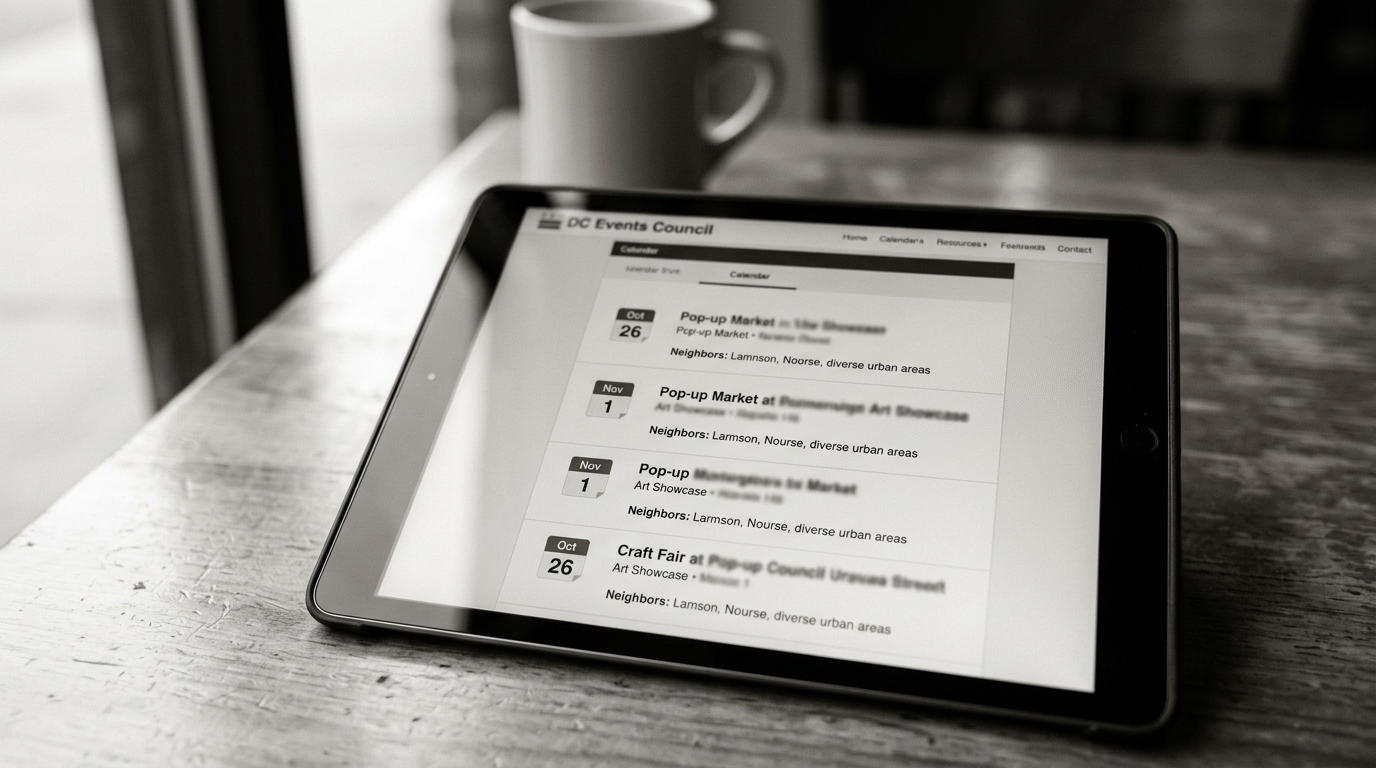
An online events marketplace is bringing together pop-up shop listings across Washington, DC, giving residents a single stream of temporary retail markets with key logistics in one place. Organizers publish dates, locations and ticket details, while users can sort listings by date, neighborhood and ticket type.
The aggregated page features multiple upcoming events and draws entries from a wide range of local hosts. Independent makers, small retail brands, neighborhood businesses and community groups are among those using the format to reach new customers and activate short-term spaces.
How the listings work for shoppers and organizers
Event entries typically spell out what visitors need to know to attend. Listings commonly include a short description, a time window, a venue address, and whether tickets or reservations are required.
The marketplace’s search tools are designed to help people match an event to their schedule and location. By filtering by date and neighborhood, residents can quickly identify pop-up markets nearby, while ticket-type filters clarify whether an event is open entry or requires advance planning.
Pop-up shops as low-cost retail testing
In Washington, DC, pop-up shops often function as temporary storefront experiments for businesses that do not operate permanent retail space. Organizers and sellers use short-term markets as seasonal sales channels and as a way to test products in front of real customers.
These events can concentrate foot traffic into a small area for a limited time, which can also benefit nearby restaurants, cafes and other merchants. By making pop-up opportunities easier to discover, aggregated listings can also be visible to neighborhood property owners looking for temporary tenants.
Venues, amenities, and what listings may include Listings span multiple DC neighborhoods and appear in a variety of settings. Venues can range from rented retail units and shared studio spaces to plazas, community centers, and programmed corners within larger markets.
Organizers often add practical notes beyond time and place. Many entries indicate whether food is available, whether family activities are part of the program, and whether wheelchair access is offered, helping visitors decide what fits their needs.
What the page signals for local retail activity
For local entrepreneurs, pop-ups provide a way to test pricing, collect customer contact information, and build brand awareness without committing to long-term leases. Property managers and commercial landlords may also use partnerships with market promoters to fill gaps during slower leasing cycles.
For residents, the page functions as a calendar for discovering emerging makers, limited-run product drops and neighborhood activations. The schedule can shift as events are confirmed, and organizers commonly update entries over time, including last-minute vendor calls.
- Residents can use filters such as date, neighborhood and ticket type to plan visits.
- Organizers list dates, locations and whether tickets or reservations are required.
- Events are hosted by independent makers, small brands, community groups and local businesses.
- Pop-ups are used to test products and reach customers without permanent retail space.