Pickleball nets raise tennis court disputes in Washington, D.C.
Pickleball players setting temporary nets on D.C. public tennis courts have prompted repeated complaints, with residents urging clearer rules and enforcement.
Sophie McAlister ·
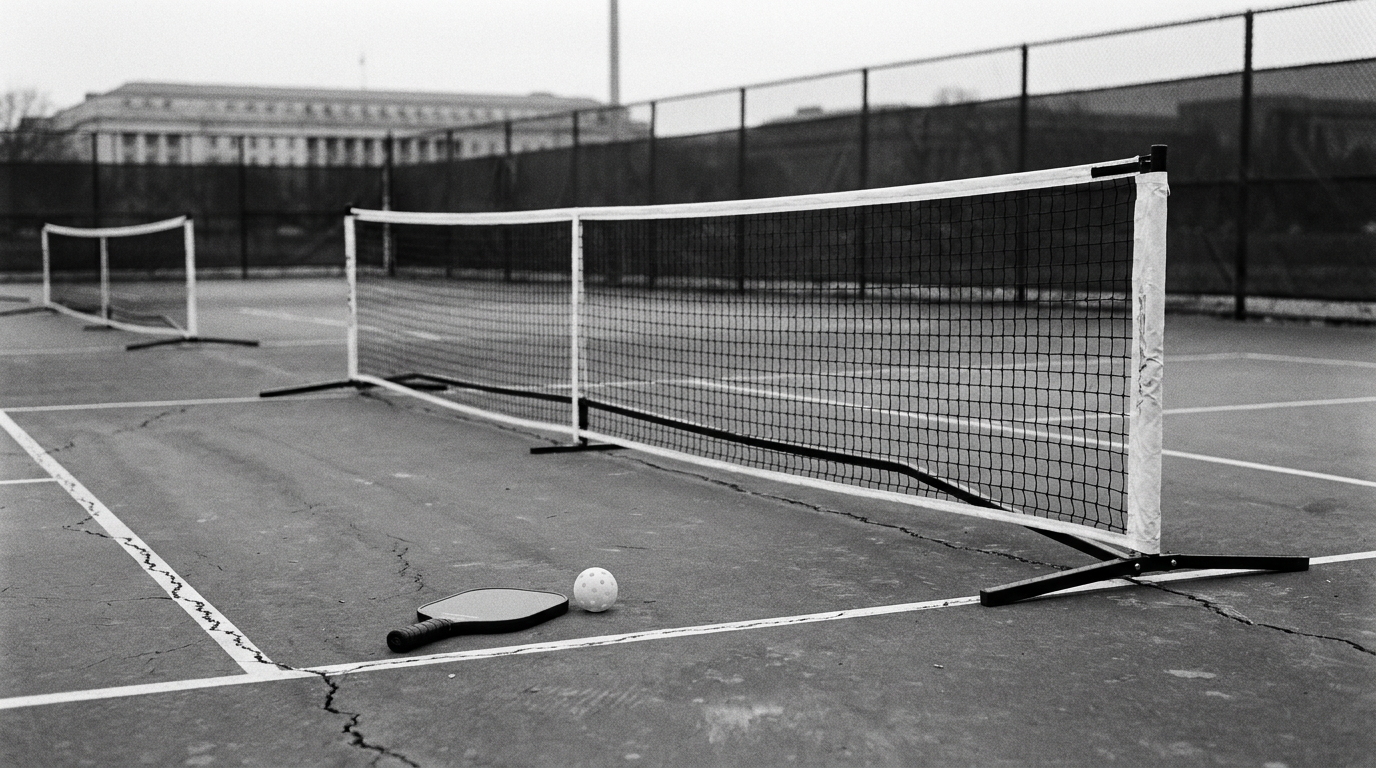
Residents and court users in Washington, D.C., say pickleball players have repeatedly installed portable nets on public tennis courts, disrupting tennis play and prompting complaints on a neighborhood forum. The accounts describe temporary pickleball setups on multiple city-managed courts, with posters arguing the practice conflicts with rules displayed at some locations.
Contributors said the issue is not limited to one park or neighborhood. Several posts framed the situation as an ongoing shift in how the courts are being used, rather than isolated incidents, and called on city managers and local neighborhood commissioners to step in.
Reports describe repeated temporary setups and friction over access
Forum contributors described pick-up games in which portable nets are placed across established tennis courts, sometimes remaining in place for multiple hours. Writers said the temporary nets can block tennis matches and create the impression that posted court rules are not being enforced.
The accounts also point to tension between groups that expect exclusive use of a space and others who treat public courts as first-come, first-served. Several posters characterized the net placements as a violation of posted rules at certain courts and said the disputes have become a broader neighborhood frustration.
In online exchanges and reported conversations at courts, participants debated how signage should be interpreted, what scheduling norms apply, and whether particular courts should be dedicated to one sport or remain available for multiple uses.
Questions raised for city management and neighborhood commissions
The posts highlight governance and enforcement questions for the municipal parks agency that oversees city recreation infrastructure. Posters argued that if a court is designated as tennis-only, then installing nets for another sport creates a clear enforcement challenge.
Residents also pointed to the role of local Advisory Neighborhood Commissions, which advise on neighborhood recreation needs. Community members used the forum to urge officials to clarify rules and improve on-site guidance so users can tell when a court is reserved or intended for one sport.
Suggested fixes focus on signs, scheduling, and outreach
In the same thread, residents and court users floated practical changes aimed at reducing conflict. Ideas included clearer signage, posted schedules, and coordinated court programming, alongside outreach so different groups understand how to share limited outdoor space.
The forum coverage included accounts of neighbors raising concerns at advisory meetings and seeking follow-up from park managers. However, the posts did not include official responses from city agencies, did not document enforcement actions, and did not name specific parks in every instance.
As described in the thread, the discussion functions as a community signal rather than an official inventory of incidents. Residents said they are watching for whether the municipal parks agency issues guidance on multiuse courts and whether local advisory commissions place the topic on upcoming meeting agendas.