Meningitis Outbreak Drives Vaccine Demand in England
An invasive meningitis outbreak in Kent has led to a significant surge in vaccine demand across English pharmacies, particularly for the MenB strain.
Ayla Demirhan ·
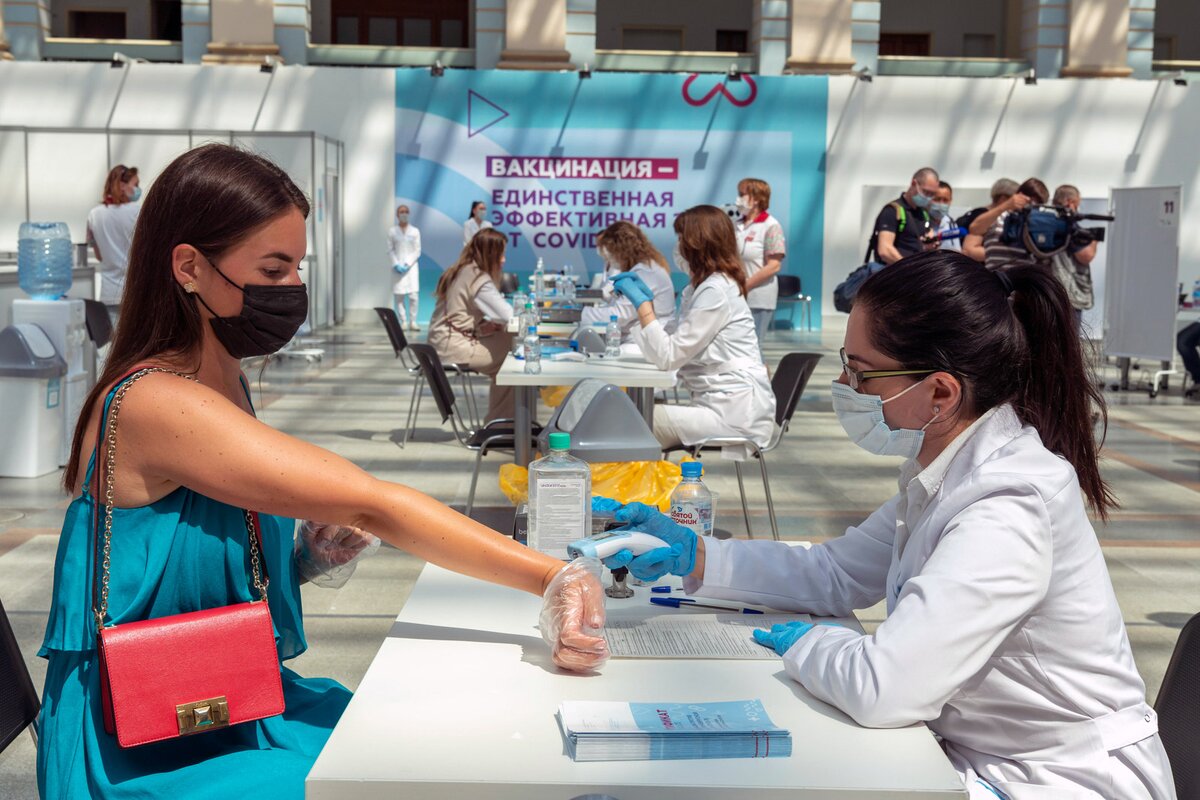
Pharmacies throughout England are reporting a substantial increase in requests for meningitis vaccines, particularly in the wake of an invasive meningococcal disease outbreak in Kent. This surge in demand follows two fatalities and several hospitalizations linked to the bacterial infection in the region. The National Pharmacy Association (NPA) indicated that a significant majority of pharmacies surveyed, approximately 87%, have observed this heightened public interest.
This specific outbreak has been identified as caused by a B strain of meningococcal bacteria. While the MenB vaccine is part of the routine immunization schedule for infants, it was introduced in 2015. Consequently, many individuals currently in their late teens or early twenties, including university students, would not have received this particular vaccination unless they obtained it privately.
### Public Health Response and Vaccine Availability
The standard MenB vaccine course, when sought privately, costs around £220. For teenagers, the National Health Service (NHS) provides the MenACWY vaccine, which offers protection against four distinct groups of meningococcal bacteria (A, C, W, and Y). This vaccination is crucial not only for individual protection but also for reducing the spread of the disease within communities.
Public health officials and medical experts are advising caution against widespread, immediate vaccination. They emphasize that public health authorities are best equipped to assess the necessity of additional vaccination campaigns and to identify the most appropriate target populations. This approach ensures resources are allocated effectively and that public health interventions are data-driven.
### Expert Perspectives on Vaccination Strategy
Professor Adam Finn from the University of Bristol highlighted that current MenB vaccines do not provide protection against all existing strains of the bacteria. He also noted that the development of full immunity after vaccination can take several weeks, underscoring that immediate protection is not guaranteed. This time lag is an important consideration for individuals seeking vaccination during an active outbreak.
Professor Sir Andrew Pollard of the Oxford Vaccine Group further elaborated on the cost-effectiveness of the MenB vaccine. While acknowledging its efficacy in young children, he pointed out that the current incidence rates of meningococcal B disease in teenagers do not meet the established thresholds for cost-effective universal vaccination in this age group. This economic consideration often influences public health policy decisions regarding vaccine deployment.
### Broader Context of Meningococcal Disease
Meningococcal disease, while rare, can be severe and rapidly progressive, leading to meningitis (inflammation of the membranes surrounding the brain and spinal cord) or septicemia (blood poisoning). Early symptoms can be non-specific, making timely diagnosis challenging. The disease is spread through close contact with respiratory secretions, such as coughing or kissing.
Understanding the transmission routes and the varying strains of the bacteria is critical for effective public health interventions and vaccine development.
The current situation in Kent underscores the ongoing importance of vaccination programs and public health surveillance in managing infectious diseases. It also highlights the complexities involved in balancing individual demand for protection with broader public health strategies and resource allocation.
Implications
Country Impact: The outbreak in Kent has prompted a review of vaccination strategies and public health communication regarding meningococcal disease across England. It highlights potential gaps in protection for specific age groups not covered by routine NHS programs.
Industry Impact: Pharmaceutical companies producing meningitis vaccines may experience increased sales and demand, particularly for private vaccinations. Pharmacies face operational challenges in managing increased inquiries and potential stock fluctuations.
Market Impact: While not a direct market mover, increased public health concerns can indirectly influence healthcare sector stocks. The cost-effectiveness analysis of vaccines for different age groups remains a key factor for public health spending and pharmaceutical market access.