Emails show FBI Director Kash Patel’s Hawaii trip included ‘VIP snorkel’ at Pearl Harbor memorial
Emails released this spring indicate FBI Director Kash Patel’s trip to Hawaii last summer included a ‘VIP snorkel’ at a Pearl Harbor memorial; agency…
Sophie McAlister ·
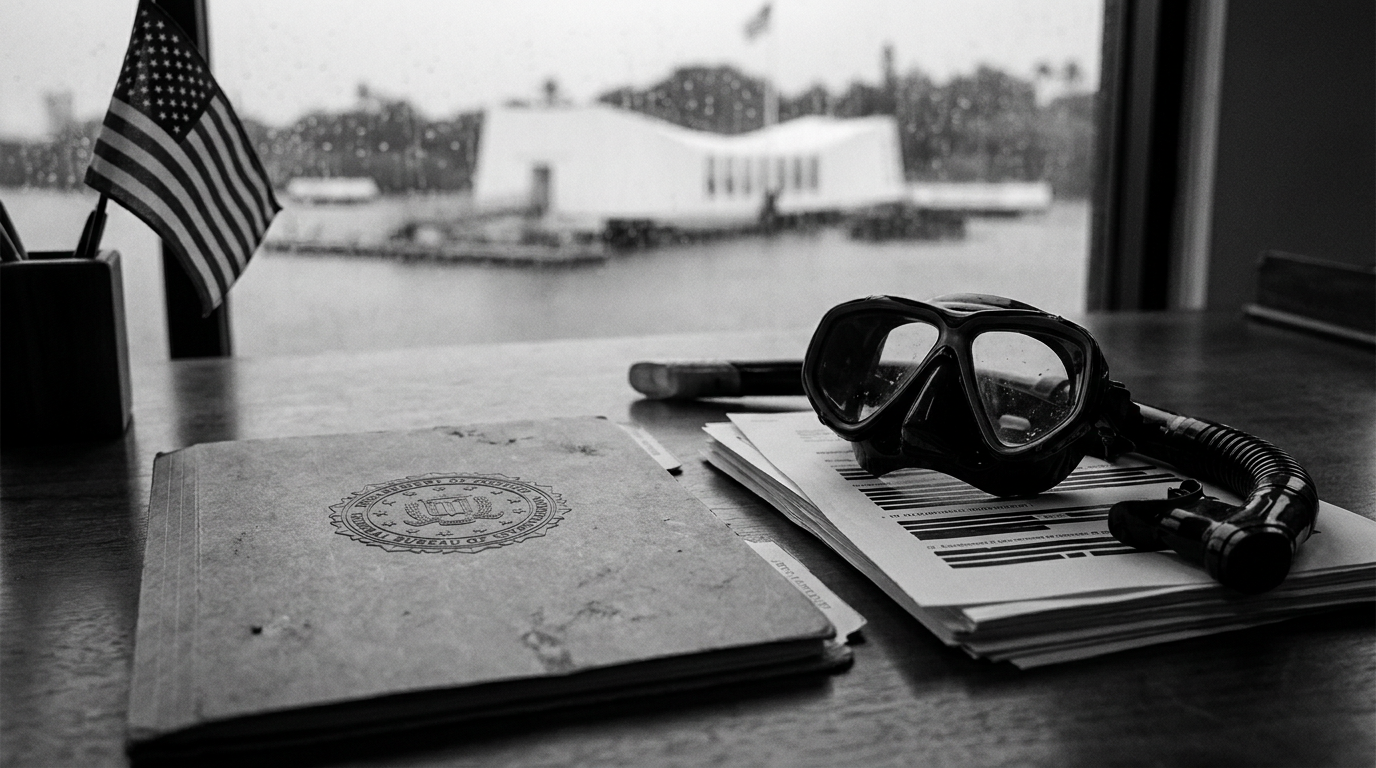
Emails released this spring show that when FBI Director Kash Patel traveled to Hawaii last summer, the itinerary included what agency staff described as a “VIP snorkel” visit to a memorial at Pearl Harbor. The correspondence, exchanged among bureau personnel, also emphasized that the director was not on official time during portions of the trip.
The messages provide a rare internal view of planning around a domestic trip by the head of the nation's primary federal law enforcement agency. Patel, who leads the FBI from its Washington headquarters, took the trip during a period of heightened public attention on bureau operations and spending.
What the emails say
The internal notes identify a snorkel visit to a Pearl Harbor memorial and describe arrangements labeled as VIP, though they do not detail who hosted or funded the excursion. The correspondence underscored distinctions between official duties and personal travel time, language agencies often use to clarify the rules governing expense and security support.
Officials typically document such distinctions in writing to show compliance with federal travel rules and to guide staff about permissible uses of agency resources. The messages do not allege misuse of funds or formal policy violations; they simply record the trip’s logistics and a reminder about official versus nonofficial time.
Why the trip draws attention in Washington
Patel is the FBI director, a position based in Washington where congressional oversight and the Justice Department regularly assess bureau conduct. Any travel by senior law enforcement leaders can prompt questions from lawmakers and watchdogs about travel funding, security provisions, and the line between official and personal activities.
In recent years, lawmakers have scrutinized travel and hospitality involving federal officials, and internal email trails like these frequently become the basis for oversight queries. The released correspondence gives oversight actors in Washington concrete details they can use to press for further documents or explanations if they choose to do so.
The bureau has longstanding protocols for documenting travel status and funding sources. The emails appear to reflect that process rather than presenting new allegations. They do, however, record staff awareness of optics and the need to note when a senior official is not on official duty.
Washington audiences follow such disclosures because the FBI’s leadership and operational resources are centrally managed from the J. Edgar Hoover Building. Details about senior officials’ movements and how those movements were recorded are material to congressional committees and inspectors general that operate in the capital.
Looking ahead, congressional staff and internal watchdogs may request further records to clarify whether any government resources covered travel-related costs. The bureau could also respond with routine explanations about how the trip was categorized and funded.