China Deploys Advanced Fighters to Egypt for Joint Drills
China has sent J-16 fighters and YU-20 tankers to Egypt for joint military drills, marking its first advanced asset deployment to Africa, signaling expanded…
Lauren Collins ·
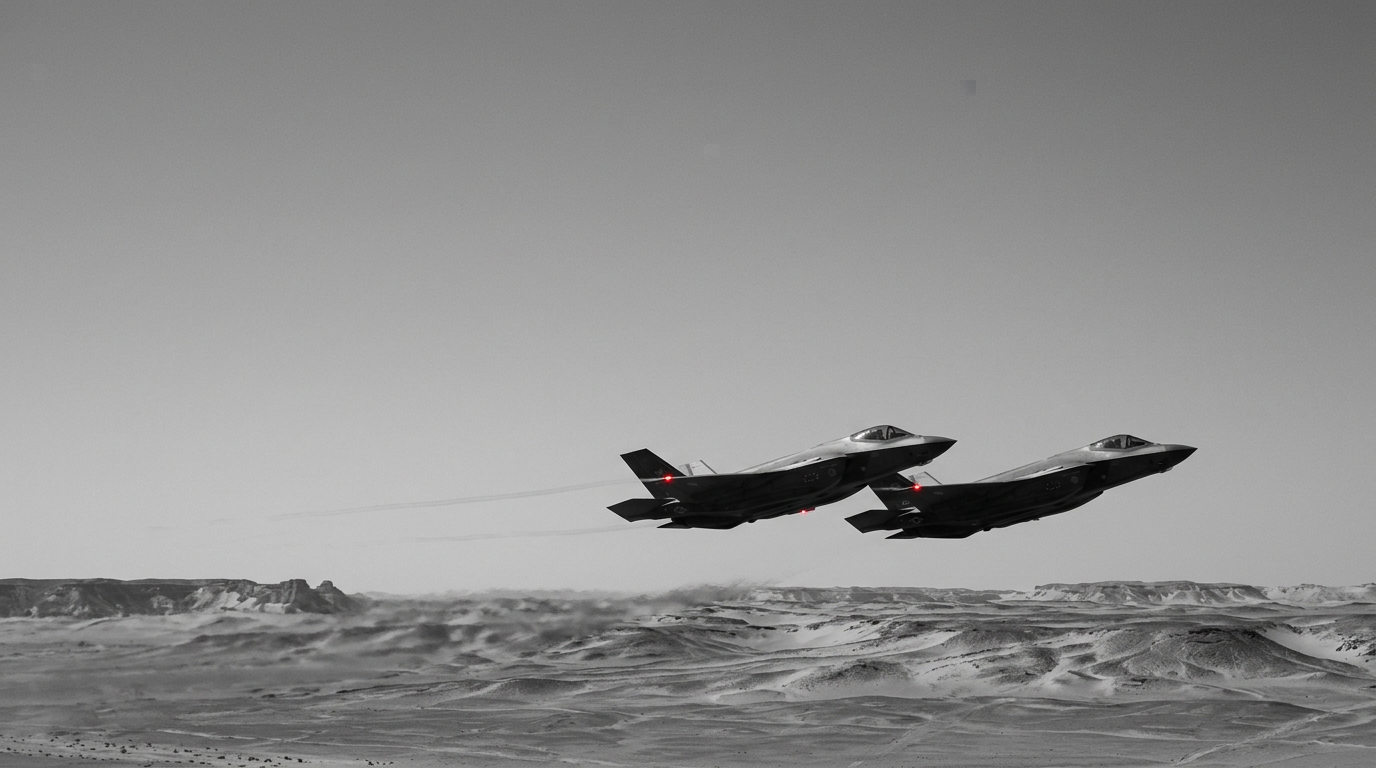
China has deployed advanced J-16 fighter jets and YU-20 aerial refueling tankers to Egypt for joint military exercises. This deployment represents the inaugural instance of these sophisticated military assets operating on the African continent, underscoring Beijing's expanding capacity for long-range power projection. The move suggests a strategic shift towards integrated defense cooperation with regional partners, moving beyond a purely economic engagement model.
These joint drills are expected to provide the People's Liberation Army (PLA) with critical experience in transcontinental force mobility. They also offer valuable insights into interoperability with foreign military systems, an essential aspect of modern defense strategies. This significant military presence highlights China's growing intention to protect its global economic interests with a corresponding military reach.
Expanding Strategic Cooperation
The military collaboration unfolds amidst a backdrop of strengthening economic ties between China and Egypt. Beijing has strategically leveraged Egypt's pivotal geographical location, positioning it as a key manufacturing and logistics hub. This arrangement facilitates enhanced market access for Chinese goods into both European and Middle Eastern markets, bolstering economic partnerships.
Chinese investments in Egypt reached approximately US$2 billion during the first six months of 2020, supported by expanded zero-tariff trade agreements designed to foster greater commercial exchange. However, this robust economic relationship is characterized by a significant trade imbalance, with Egypt recording a trade deficit exceeding US$18 billion with China in the preceding year. This imbalance reflects the asymmetrical nature of their commercial dealings despite the growing investment.
Securing Regional Assets and Diversifying Alliances
The integration of advanced military training into this partnership indicates a long-term strategic objective for China. This includes safeguarding critical infrastructure and supply chain assets, particularly ensuring the unimpeded flow of goods through the Suez Canal region. The Suez Canal is a globally vital maritime chokepoint, making its security paramount for international trade and China's vast network of global commerce.
For Egypt, participation in these exercises offers a significant opportunity to enhance its air force capabilities through collaboration with a major global military power. This partnership could also serve to diversify Egypt's defense suppliers, potentially reducing its historical reliance on traditional Western providers. The collaboration is indicative of a broader trend of emerging non-traditional military partnerships across the region, reshaping established security dynamics.
Future Power Projection Capabilities
The deployment of advanced fighter jets and aerial refueling tankers to Africa positions China to project military power more effectively across continents. This enhanced capability allows Beijing to respond to a broader spectrum of contingencies, including the protection of its citizens and assets abroad, or participation in multilateral security operations. Such developments are likely to reshape geopolitical dynamics in key strategic regions by introducing a new dimension to security arrangements and global power balances.
These exercises also offer crucial insights into the PLA's logistical capabilities and its commitment to developing a true blue-water military presence. This presence would be capable of operating far from its national borders, mirroring capabilities traditionally held by Western powers. This strategic evolution could have profound, long-term implications for international security and regional stability, not just in Africa but globally.