Open Data DC: The District’s Official Public Data Portal at data.dc.gov
Open Data DC (data.dc.gov) is the District of Columbia’s official public data portal, centralizing datasets from city agencies for residents, researchers…
Sophie McAlister ·
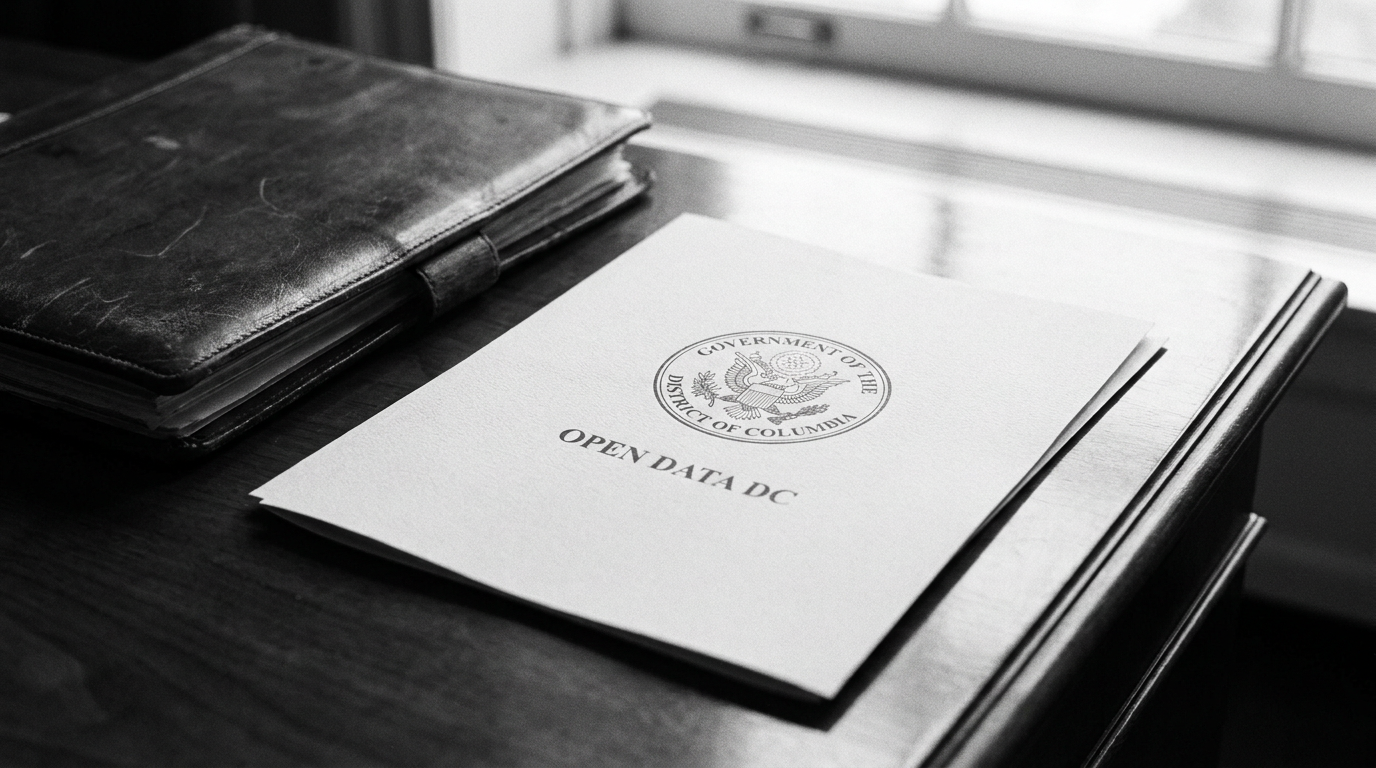
Open Data DC is the District of Columbia’s official open-data portal, available at data.dc.gov. The site centralizes public datasets produced by District agencies and makes them accessible to residents, researchers, journalists, local businesses and civic technologists. The portal serves as the city’s primary hub for machine-readable data intended for public reuse and analysis.
The portal publishes datasets from across the District’s government and provides a searchable catalog and download access. Users can access raw data files, explore metadata, and link to APIs where agencies provide programmatic access. The platform is positioned to support local reporting, academic research, app development, and business decisions that rely on municipal data.
How people and organizations use the portal
Residents and neighborhood groups use the portal to check information about services and local outcomes. Researchers and universities draw on the datasets for policy analysis and urban studies. Local startups and civic developers use the data to build tools that address city issues like mobility, housing, and public services. Journalists and watchdog organizations use the catalog to verify claims and track government performance.
What the portal provides for transparency and operations
By consolidating datasets in a single public location, the portal supports transparency by making government information easier to find, download and reuse. Agencies can publish operational metrics and program-level information that allow external stakeholders to assess performance and trends. The portal also helps staff inside government share data and coordinate with external partners.
The portal’s existence aligns with broader trends in municipal data practice: making city information machine-readable, documented, and accessible for reuse. While individual agencies retain responsibility for data quality and updates, the centralized catalog reduces friction for data discovery and reuse across neighborhoods and institutions.
Looking ahead, the portal’s value will grow as agencies publish new datasets and maintain existing ones, and as local developers and researchers continue to build tools and analyses that rely on those resources.