Oil slicks detected near Oman and Iran
Oil slicks spotted by satellite near Oman and Iran have raised shipping and environmental concerns, with officials yet to assess volume and path.
Mateo Fernandez ·
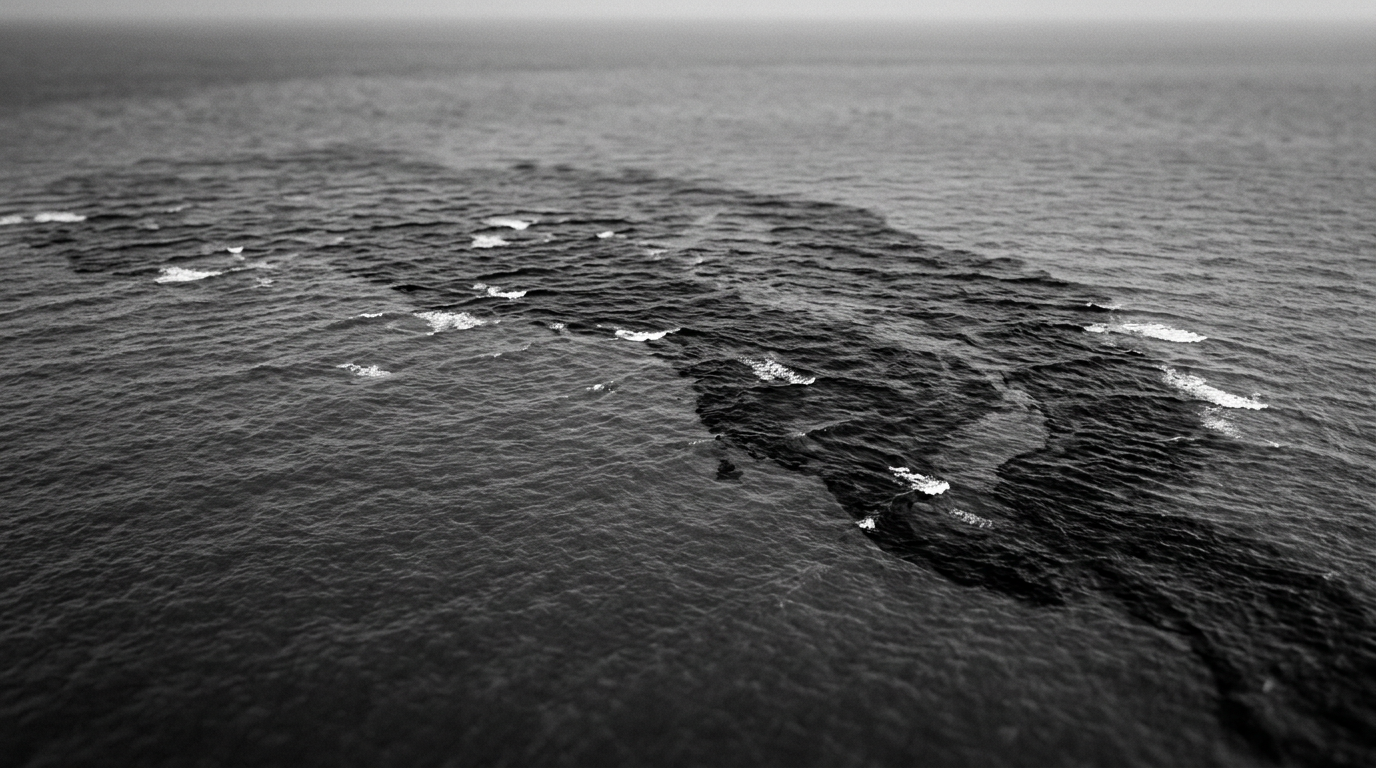
Satellite imagery and video have identified two oil slicks in waters near Oman and Iran, raising concerns for regional shipping and marine ecosystems. Officials have not yet issued an assessment, leaving key details such as the volume and direction of the pollution unclear.
The slicks were detected using satellite monitoring techniques, according to SkyTruth. John Amos, the organisation’s CEO, described the spill as “much larger than anything seen previously,” based on the data reviewed.
Rising tensions and risks for sea lanes Officials What satellite monitoring shows SkyTruth said its analysis indicated the two slicks SkyTruth said its analysis indicated the two slicks stretched across a broad surface area. The group pointed to satellite-derived indicators of pollution, supported by video evidence showing oil on the water. Maritime authorities and environmental observers have voiced concern that damage to tanker coatings or vessel collisions could have released large volumes of oil into the Gulf. At this stage, there has been no official confirmation of the source of the pollution. Rising tensions and risks for sea lanes Officials said the slicks appeared after a series of tit-for-tat attacks involving oil tankers and other vessels between Iran and the United States. The timing has heightened scrutiny of maritime safety in an area critical to the movement of seaborne crude and refined products. Shipping and port activity could be affected if the slicks drift into busy lanes or reach shorelines. In that scenario, port operations may face disruption and shippers could opt to reroute vessels, a shift that would typically raise voyage costs and extend delivery times.
How markets and operators may respond
Market participants are expected to watch for official estimates of volume and trajectory before factoring any supply disruption into pricing. Until authorities provide measurements and a projected path, the operational impact remains uncertain. Observers said that if the spills spread into Observers said that if the spills spread into major shipping lanes over the next 72 hours, regional shipping patterns may change. Commodity traders are also expected to monitor developments through Aug. 18 for indications that any disruption could be sustained.
For now, the main unresolved questions are the size of the release, its origin, and whether currents and winds will carry the slicks into sensitive coastal zones or high-traffic maritime corridors. Officials’ assessments, once issued, are likely to guide decisions by ports, ship operators, and insurers in the affected area.