Oil Prices Rise Amid US-Iran Strikes, Hormuz Risk
Oil prices surged nearly 1% following US airstrikes on Iran and Tehran's retaliation, renewing concerns over Middle East supply and the Strait of Hormuz.
Mateo Fernandez ·
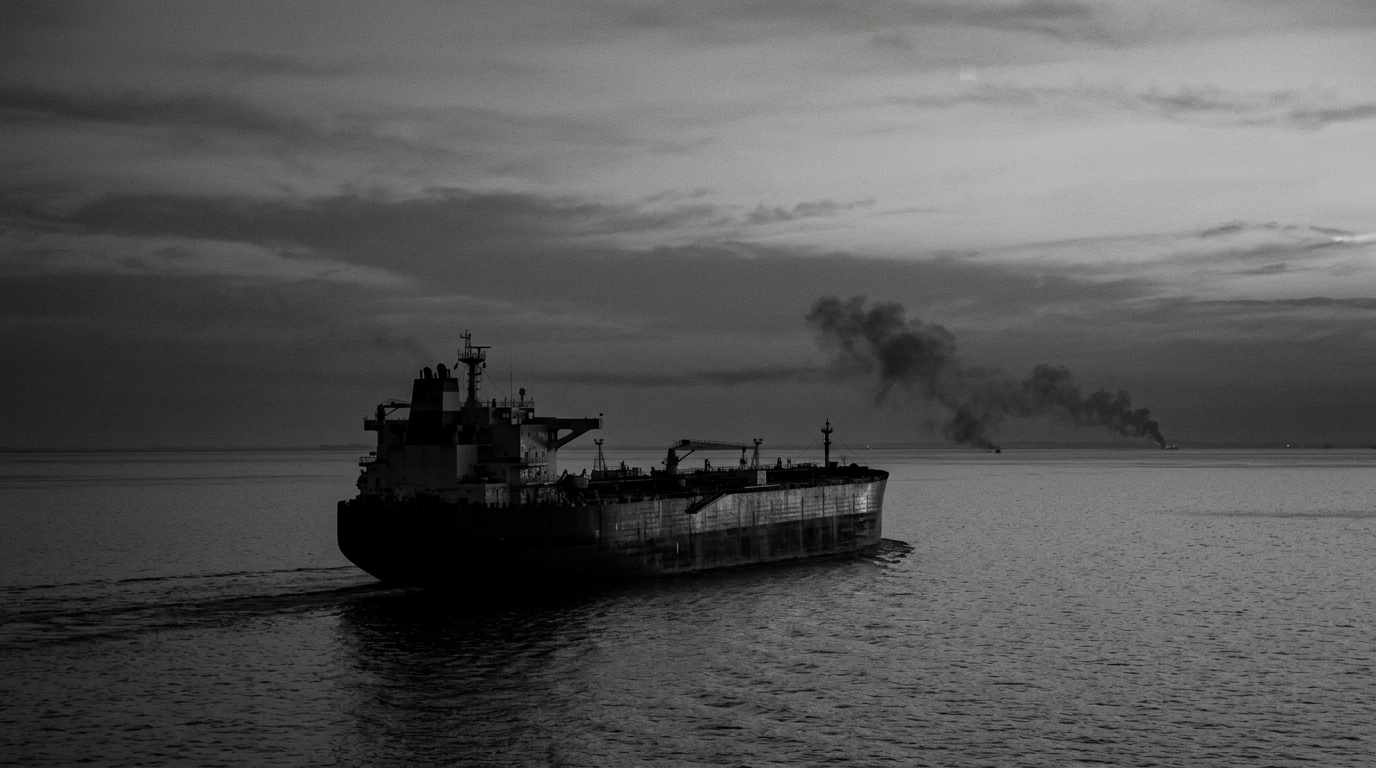
Global oil prices saw an increase of nearly one percent on September 2, after reports confirmed that the United States conducted overnight airstrikes against Iran, which subsequently responded with retaliatory actions. This exchange of hostilities has brought the risk to Middle East oil supply back into sharp focus for energy markets.
Following the developments, Brent crude futures reached $95.52 per barrel, while West Texas Intermediate (WTI) climbed to $91.02 per barrel. These price movements underscore the market's sensitivity to geopolitical tensions, particularly when key regional security players are involved in direct confrontation.
Strait of Hormuz Significance
The Strait of Hormuz, a crucial choke point for seaborne oil shipments, has re-emerged as a primary concern for traders. Any perceived threat to this waterway can directly influence crude benchmarks by increasing the risk premium associated with oil moving out of the Persian Gulf. Renewed instability in the region prompts a reassessment of potential disruptions to maritime traffic through this vital passage.
From a broader macroeconomic perspective, elevated oil prices have a direct and immediate impact. They contribute to higher transportation and energy costs across various sectors, which can complicate the inflation trajectory for economies heavily reliant on oil imports. Should these higher prices persist, central banks globally may find themselves with reduced flexibility to implement monetary easing policies. Conversely, a reversal in prices would temper inflationary pressures.
Market Impact Across Sectors
The implications of rising crude prices vary for different segments of the energy industry. Upstream companies, which are involved in oil exploration and production, may benefit from the higher realized prices for crude. However, downstream sectors, including refiners and fuel distributors, could face squeezed profit margins if the prices of refined products do not keep pace with the increasing cost of crude oil.
Beyond the energy sector, industries such as airlines, petrochemical manufacturers, and freight operators are directly exposed to the financial impact of increased fuel costs. Their operational expenses are significantly influenced by fluctuations in oil prices. As of September 3, market participants are closely watching for any official statements or actions that might indicate a direct threat to vessel traffic through the Strait of Hormuz.
If oil flows continue unimpeded, crude prices might primarily reflect headline risk and market sentiment. However, any actual disruption to shipping operations in the Strait of Hormuz could lead to a broader price shock across various commodities, freight markets, and inflation-linked assets, signaling a more severe economic impact.