Oil prices near $100 as Red Sea tanker claims hit markets
Oil prices approached $100 after Houthi tanker claims, pressuring bonds while Alphabet and Tesla revived cash-flow worries.
Atlas Newsdesk ·
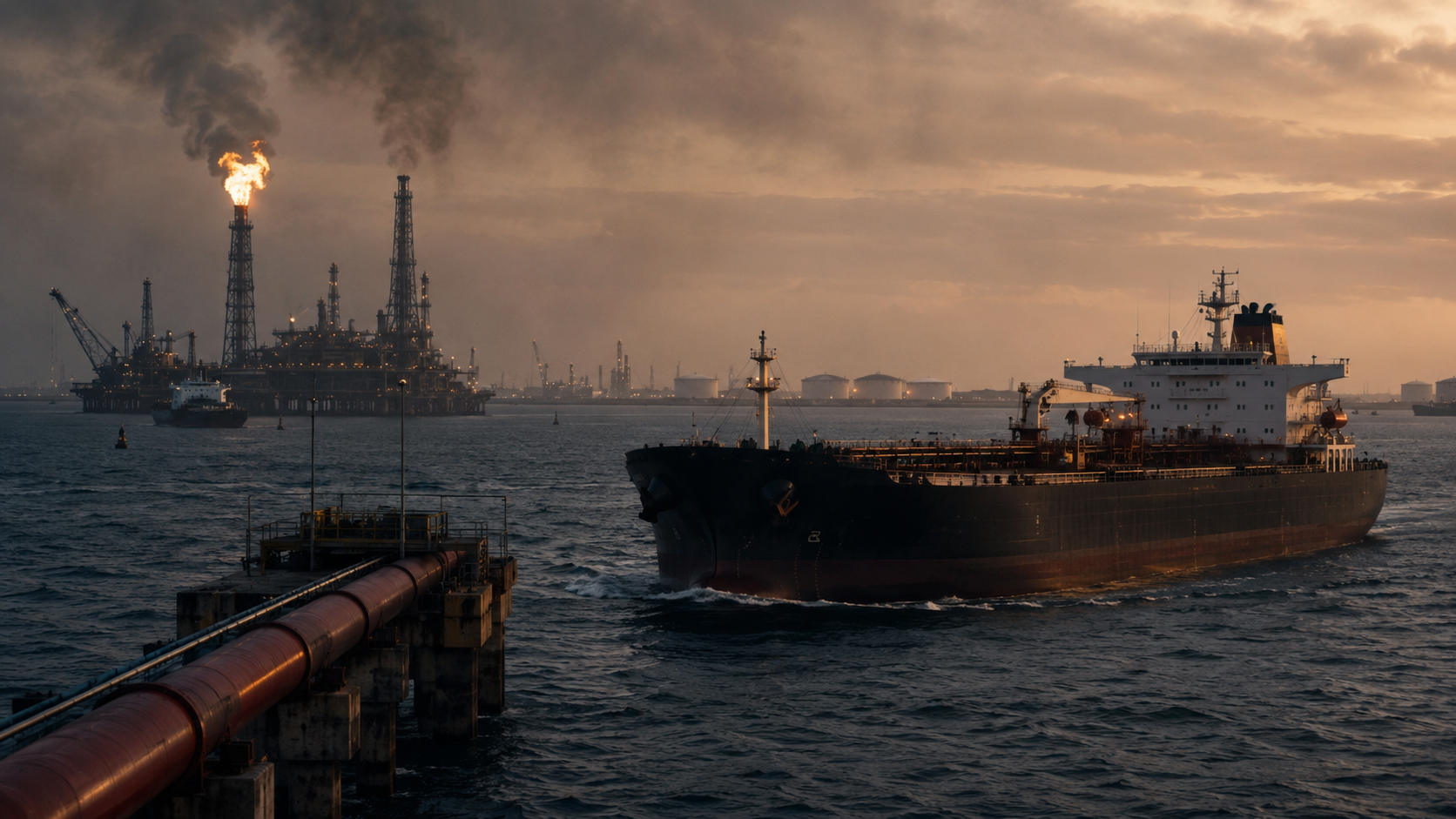
Oil prices moved back toward $100 after Houthi militants claimed attacks on two Saudi tankers, pressuring bonds and U.S. stock futures.
Red Sea claims hit crude
Brent crude futures rose 4%, putting the global benchmark about $25 a barrel above its early-July level. The move matters because oil is a direct input into transport, chemicals, consumer goods and inflation expectations.
The claim from Tehran-backed Houthi militants added a fresh security risk around the Red Sea, a maritime corridor already sensitive for energy and goods shipments. Traders also had to price the possibility that the U.S.-Iran conflict could widen, even though the reported tanker attacks still require confirmation beyond the militants' claim.
Bond yields absorb inflation risk
Government bond yields climbed after the oil move, with the pressure described as especially visible in Europe. Higher crude prices can complicate the job of central banks because they feed into fuel costs first, then into broader inflation expectations if companies pass the increase through.
The market reaction shows why energy shocks still matter even when investors are focused on artificial intelligence, earnings and rate cuts. A jump in crude can quickly change the inflation narrative, raising the cost of capital just as companies are trying to justify heavy investment plans.
The uncertainty is not only whether physical oil supply is disrupted. Insurance costs, rerouting decisions and risk premiums can lift effective costs even if barrels keep moving, which is why a claimed attack can move markets before any verified supply loss is reported.
Tech cash flow faces scrutiny
U.S. stock futures weakened as investors also reassessed cash generation across major technology names. Alphabet, the parent company of Google, fell more than 3% in premarket trading after telling investors annual capital outlays could reach $205 billion.
The Alphabet move sharpened concern that the AI buildout is consuming more cash than markets expected. Large data center spending can support future products and cloud demand, but it also raises the hurdle for returns at a time when bond yields are rising.
Tesla added to the pressure, dropping more than 5% after second-quarter free cash flow fell below zero. For a company already judged on delivery trends, margins and product timing, negative cash flow gives investors another reason to question near-term operating resilience.
Three paths for markets
If Red Sea risk stays contained and oil stabilizes below $100, the macro effect would likely be limited to a temporary inflation premium. Alphabet and Tesla would still face questions about cash discipline, while the wider tech sector could refocus on earnings quality rather than energy-led rate pressure.
If tanker risk spreads and crude breaks above $100, the mechanism changes: higher fuel costs could lift inflation expectations, push yields higher and reduce equity valuations. Alphabet's AI spending would face tougher scrutiny under a higher discount rate, Tesla would have less room for cash-flow disappointment, and energy producers could benefit while transport and consumer sectors face margin pressure.
If the main issue shifts from oil security to AI capital spending, the global macro channel would run through yields and equity risk appetite rather than supply costs. Alphabet would become the clearest test of whether AI investment can translate into durable cash returns, while the broader technology sector would be split between companies funding infrastructure and those selling into it.