Oil markets face Hormuz shock as fuel buffers run thin again
Oil markets face renewed Hormuz risk as depleted emergency buffers and Russian refinery disruptions raise the threat of higher fuel prices.
Atlas Newsdesk ·
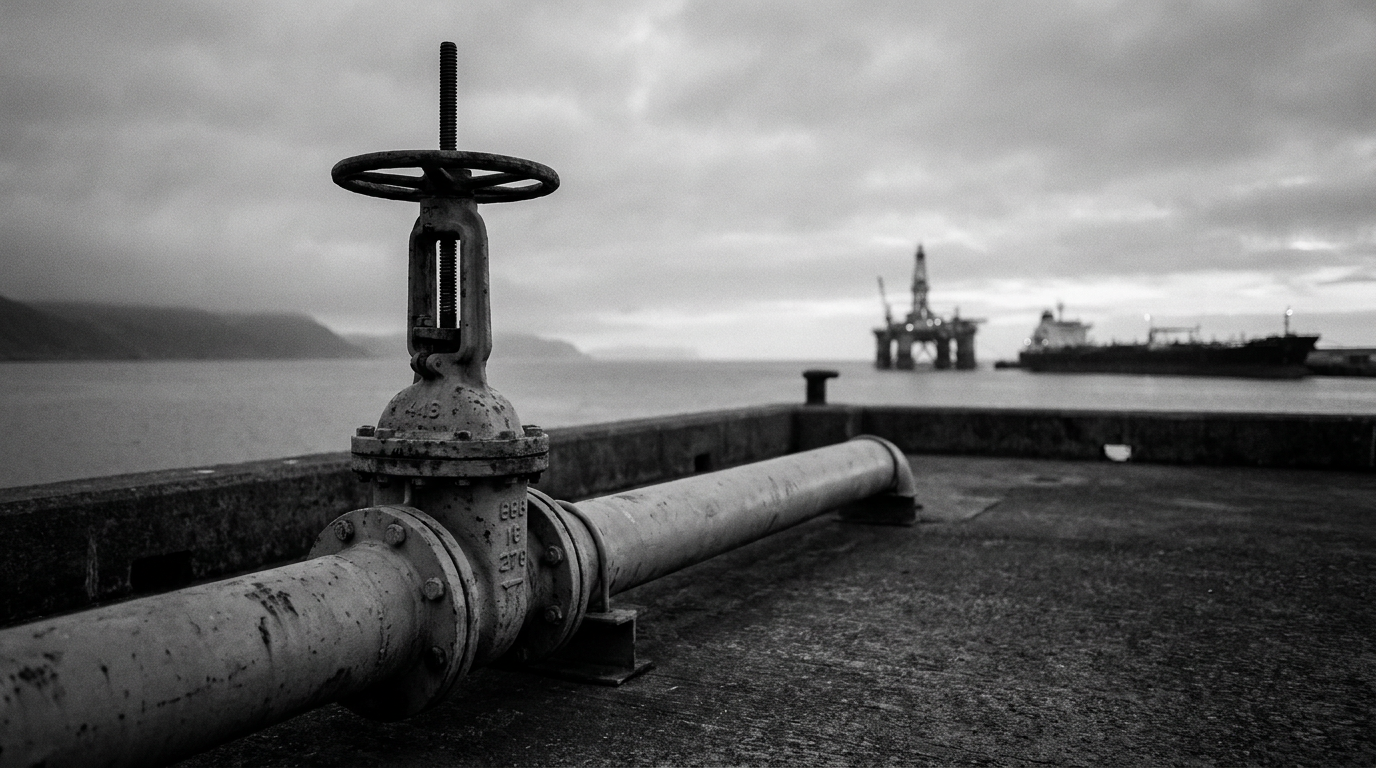
Oil markets face renewed Hormuz risk as thinner fuel buffers leave prices more exposed to another supply interruption. Traders are focused on diesel.
The first phase of the Iran war did not produce the extreme energy squeeze many feared after the Strait of Hormuz closed in March. Emergency stockpile releases, continued shipments from some Persian Gulf countries and weaker Chinese import demand helped keep crude supplies moving through the shock.
That cushion is now less certain. Renewed fighting between the US and Iran is arriving after emergency inventories were drawn down and after refinery attacks linked to the war in Ukraine cut fuel exports from Russia, according to the source account.
Hormuz risk returns to trading desks
Hormuz matters because it is the pressure point between Persian Gulf supply and consuming markets in Asia and beyond. When the waterway first closed in March, traders priced in a potential energy crisis before alternative flows and stock releases bought time.
The June peace deal between the US and Iran briefly changed the tone. Middle East exports later rose enough to create a surplus in Asia, and some governments began considering whether to rebuild stockpiles after crude prices fell.
The market has since moved back into stress mode. Crude in London is again above $85 a barrel, while US truckers and farmers are paying about $5 a gallon for diesel, according to the figures cited in the source material.
Diesel becomes the sharper constraint
The biggest vulnerability is no longer only crude availability. Traders are warning that refined fuels could become the tighter market if Hormuz is disrupted while Russian refinery damage keeps export volumes depressed.
Fatih Birol, executive director of the International Energy Agency, framed the risk around duration and chokepoints. "If the current situation lasts longer, and the Strait of Hormuz is closed, then we may again have some difficulties," he said in a television interview.
Diesel carries a direct economic signal because it powers freight, farming and parts of industry. Higher diesel costs feed quickly into transport bills and food supply chains, which makes the fuel market a political problem as much as an energy one.
Inflation pressure reaches central banks
The energy shock is also reaching natural gas. Prices remain high enough that Europe is struggling to refill storage tanks ahead of winter, according to the source account, leaving households and manufacturers exposed if cold weather lifts demand.
For the White House, the timing is awkward. President Donald Trump has pledged to bring down the cost of living, but higher oil, diesel and gas prices would move in the opposite direction and could show up in consumer inflation readings.
Central banks would face a harder trade-off if energy prices keep climbing. The Federal Reserve and the Bank of England could feel pressure to raise interest rates to stop a fuel shock from becoming a broader inflation problem, even if tighter policy weighs on growth.
If Hormuz stays open and Russian fuel exports stabilize, the likely mechanism is relief through physical supply: crude and refined products would keep reaching buyers, allowing governments to rebuild inventories gradually. That path would ease global inflation pressure, reduce stress for energy-intensive companies and give refiners more room to plan maintenance and shipments.
If fighting closes Hormuz again while Russian refinery disruption persists, the mechanism reverses. Global consumers would compete for fewer cargoes, fuel prices would rise faster than crude alone, and the wider refining sector would face pressure to increase runs from plants outside the affected regions.
The open question is how long inventories can absorb a second shock. Markets avoided the worst outcome once, but the next phase begins with thinner buffers, higher diesel costs and less tolerance from central banks for another inflation impulse.