Oil absorbs Iran shock as reserve risks build
The market avoided a prolonged price shock, but thinner reserves and damaged infrastructure leave crude exposed to fresh disruption.
Mateo Fernandez ·
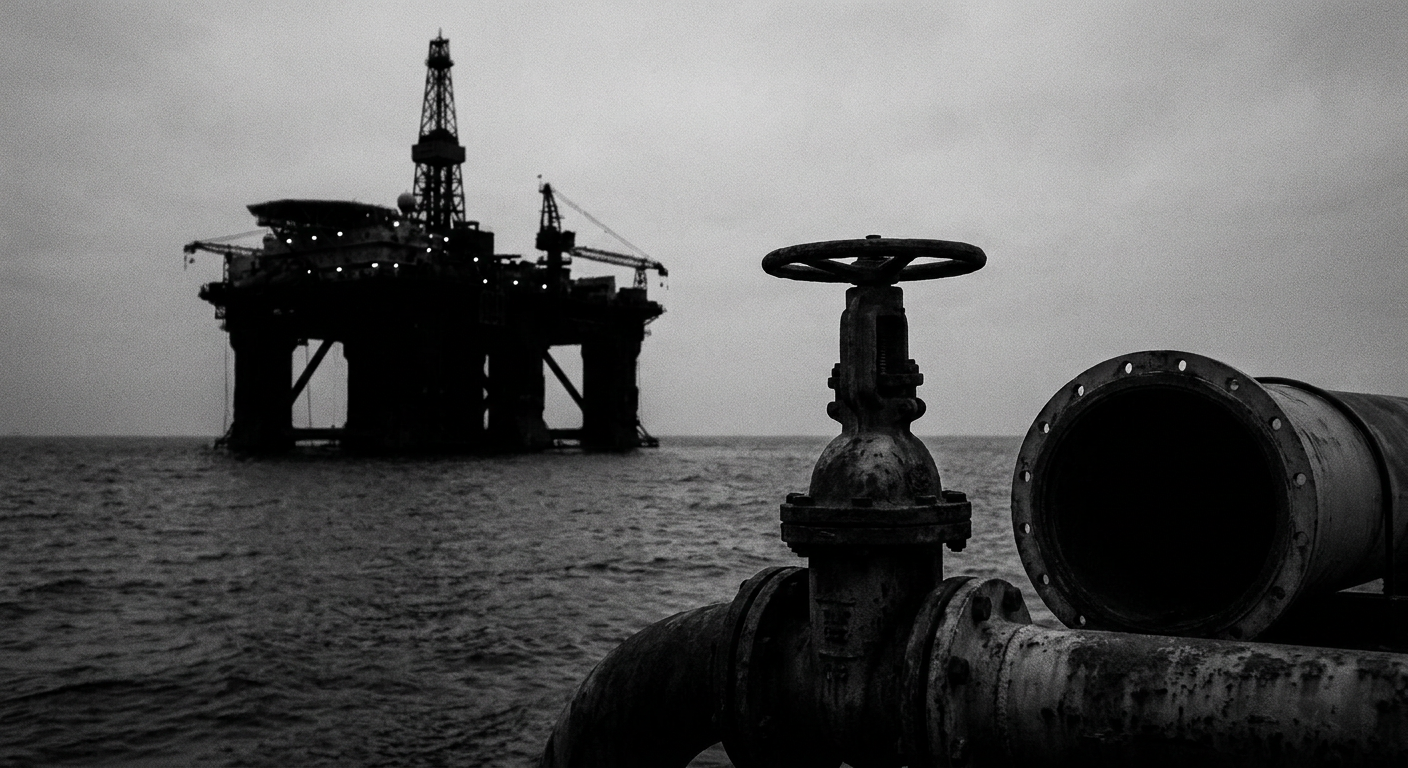
The global oil market absorbed record supply disruptions during the Iran conflict without sliding into a prolonged price shock, but the buffer now looks thinner. Reaction pending. Analysts warned that depleted strategic reserves, damaged energy infrastructure and unresolved tensions around the Strait of Hormuz have left crude markets more exposed to a future spike.
The immediate lesson is that supply chains, spare barrels and emergency stockpiles held long enough to prevent a sustained shock. The more important risk is what happens if another disruption arrives before those cushions are rebuilt.
Hormuz risk meets thinner reserves
The Strait of Hormuz remains the pressure point because it is a chokepoint for seaborne oil flows from the Gulf. If tensions there stay contained, prices may keep taking their cue from demand, inventories and production policy rather than conflict risk.
If the strait again becomes a direct threat to shipping, the mechanism changes quickly. Traders would price higher insurance, longer routes and possible cargo delays, while governments would face harder choices because strategic reserves are already depleted.
For the global economy, a fresh oil spike would feed inflation through fuel, freight and petrochemicals. For energy companies, higher prices could support cash flow but raise operating and security costs. For the wider sector, refiners, airlines and import-heavy economies would carry the sharper exposure.
By July 14, 2026, traders will be watching whether officials signal reserve rebuilding, whether damaged infrastructure returns to service, and whether Hormuz traffic remains insulated from the conflict risk.