Trump's Oil Price Remarks Spark Industry Concern
Former President Trump's remarks on U.S. oil profits amid rising crude prices spark industry concern over public perception and market volatility.
Lauren Collins ·
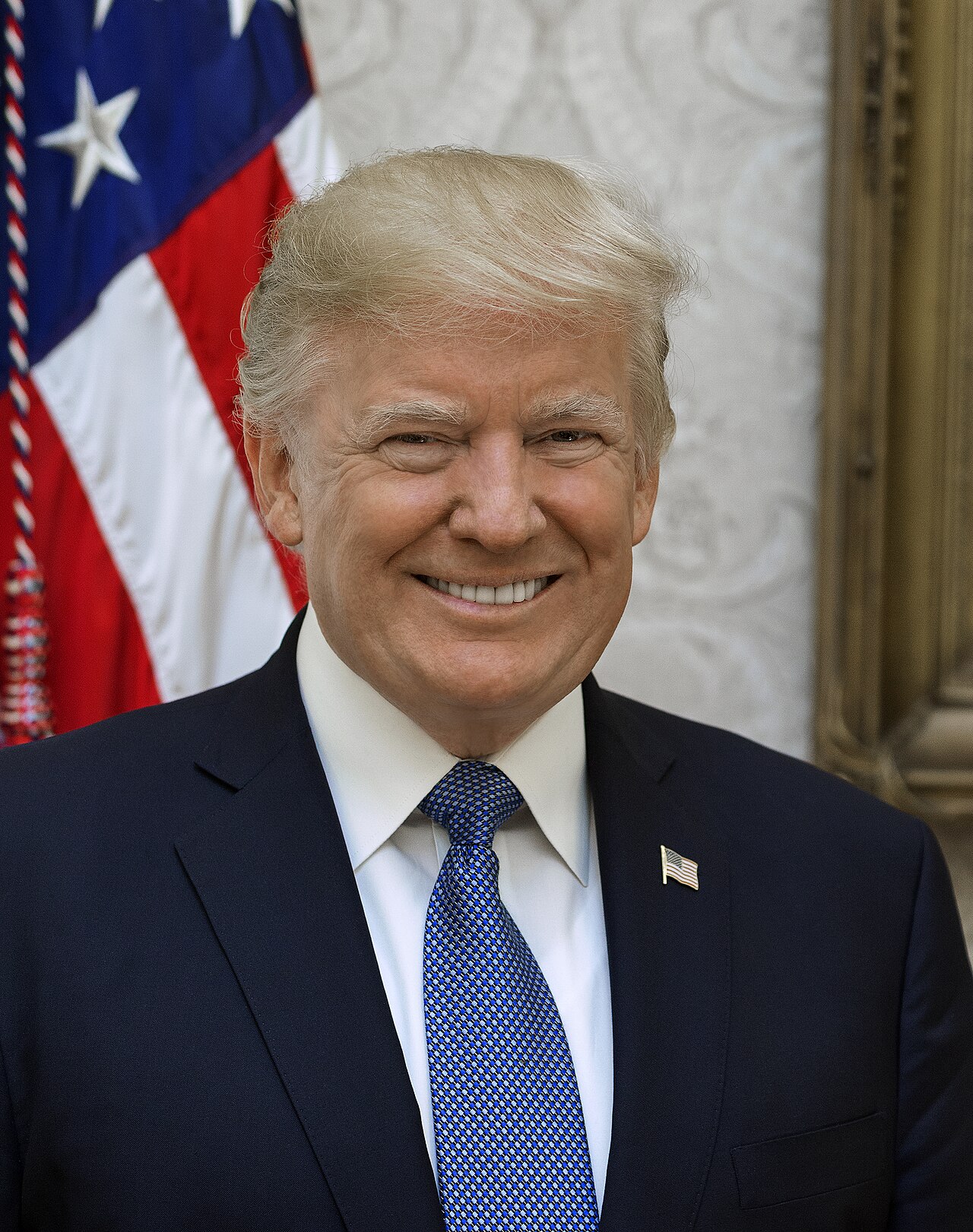
Former U.S. President Donald Trump's recent comments regarding American oil production and rising crude prices have generated apprehension within the energy sector. On Wednesday, March 13, 2026, Trump asserted via social media that the United States, as the world's leading oil producer, financially benefits from elevated crude prices, particularly amidst ongoing geopolitical tensions involving Iran.
This statement followed a substantial increase in crude oil prices, which had surged by nearly 40% to $95 per barrel in the preceding two weeks. The price hike coincided with military actions initiated by the U.S. and Israel against Iran. While the oil industry has experienced financial gains from these higher prices, industry leaders are reportedly concerned that Trump's remarks could foster public perception of profiteering from conflict.
Industry Response and Market Stability
Executives within the oil sector view such public statements as a significant public relations challenge. They fear that these comments contribute to market volatility, complicating strategic long-term business planning and investment decisions. The American Petroleum Institute (API) underscored the industry's commitment to market stability and collaboration with government entities to ensure secure operations, emphasizing that price volatility ultimately does not serve producers' interests.
Government Stance and Consumer Impact
Conversely, the current White House administration has offered a different perspective on the trajectory of energy costs. Officials maintain that current oil and gasoline prices, which have seen an increase of approximately 60 cents per gallon, are expected to decline. This reduction is anticipated once military objectives in Iran are met and new oil supplies become available on the global market, ultimately benefiting American consumers.
Geopolitical Implications for Energy Markets
While U.S.-focused oil companies may see short-term profits from the current price environment, international energy firms face potential operational disruptions. Specifically, companies with assets in the Persian Gulf region are confronting the risk of asset shutdowns due to the escalating geopolitical situation. This divergence highlights the complex and varied impacts of regional conflicts on the global energy landscape.
Historical Context of Oil Price Volatility
Historically, geopolitical events in the Middle East have frequently triggered significant fluctuations in global oil prices. Past conflicts and instabilities in major oil-producing regions have consistently demonstrated the vulnerability of energy markets to political developments. This pattern underscores the industry's preference for stability, as unpredictable price swings can hinder long-term investment and supply chain reliability.
The current situation with Iran adds another layer of uncertainty to an already complex global energy equation, influencing not only immediate profits but also future energy security strategies worldwide.
Implications
Country Impact: The U.S. administration anticipates eventual price decreases for consumers, while former President Trump highlighted potential financial gains for the U.S. as a producer. This creates a mixed domestic outlook on energy costs and benefits.
Industry Impact: The oil industry faces a public relations challenge and increased market volatility, complicating long-term investment decisions. International firms with Persian Gulf assets are particularly vulnerable to operational disruptions.
Market Impact: Global crude oil prices have seen a significant surge, impacting energy markets worldwide. The ongoing geopolitical tensions contribute to price instability, affecting both supply and demand dynamics.