OECD Highlights Turkey's Critical Role in Mineral Supply
The OECD reports increasing vulnerabilities in critical mineral supply chains, identifying Turkey as a significant player in this evolving landscape.
Cuneyd Erdogan ·
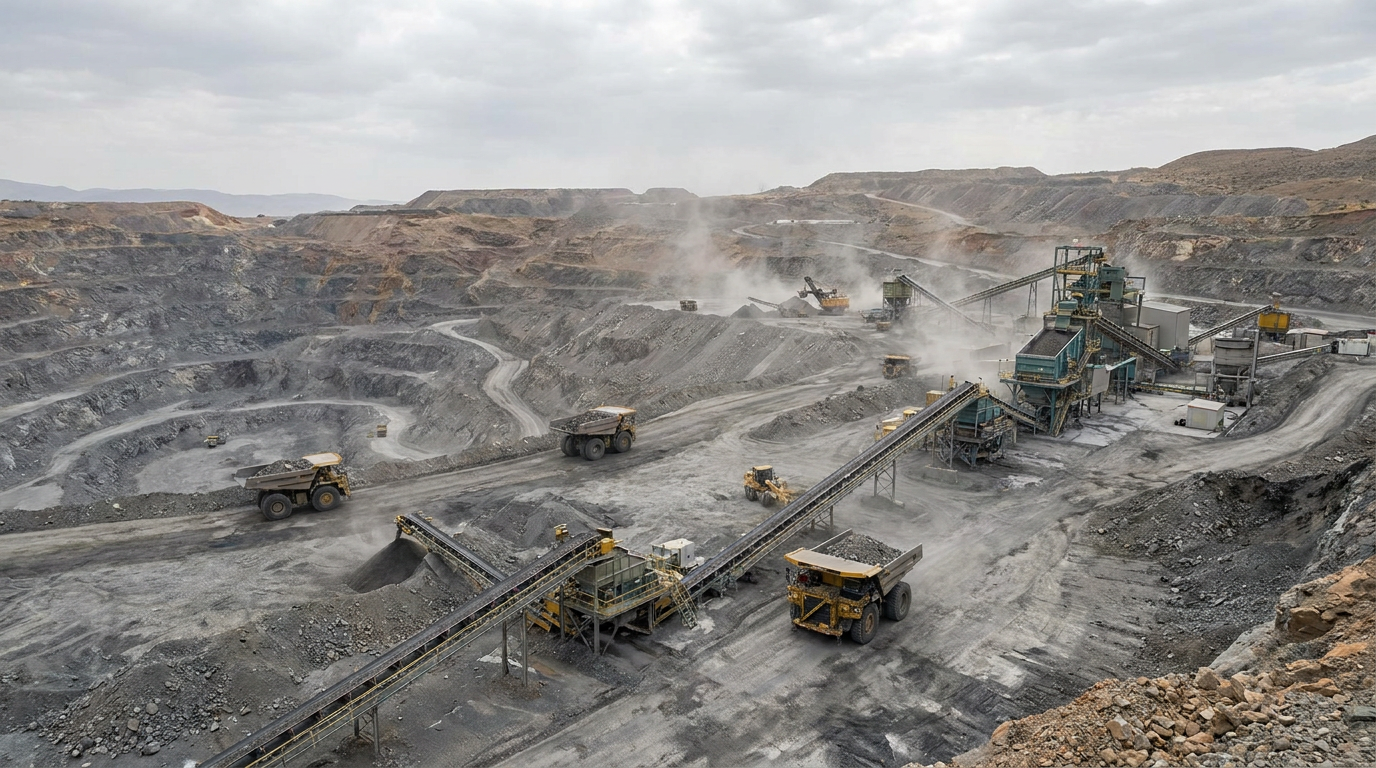
OECD Forum Addresses Mineral Supply Risks
The Director for Trade and Agriculture at the Organisation for Economic Co-operation and Development (OECD), stated that vulnerabilities in critical mineral supply chains have intensified in 2024. Speaking at the OECD Critical Minerals Forum in Istanbul, the official underscored Turkey's growing importance in this sector. The global shisources towards energy transition has significantly boosted interest in critical minerals, making supply diversification a key priority.
Market concentration in critical mineral supply poses substantial risks, according to the OECD representative. In some cases, a single nation controls up to 90% of the global market for specific products.
This high level of concentration can lead to market disruptions, hinder competitive pricing, and potentially allow dominant players to restrict access to vital resources. An OECD report from 2026 indicates that export restrictions surged by approximately fivefold between 2009 and 2024, remaining historically high despite a slight slowdown this year.
Turkey's Strategic Position in Mineral Resources
Turkey is a crucial supplier of minerals like boron and possesses significant reserves of rare earth elements. Its geographical location offers a strategic advantage, facilitating the logistics and transit of critical minerals between Asia, Africa, and Europe.
The nation's policy of not imposing export restrictions and its integration into global markets further solidify its role in this domain. The OECD emphasizes that financing mining and processing projects is vital for diversification efforts and is actively collaborating with Turkey on these initiatives.
Global Implications of Mineral Supply Chains
The increasing demand for critical minerals, driven by technological advancements and green energy initiatives, highlights the need for robust and diversified supply networks. Geopolitical tensions and trade policies can exacerbate existing vulnerabilities, making international cooperation essential.
Ensuring a stable and equitable supply of these minerals is paramount for global economic stability and sustainable development. The ongoing discussions at forums like the OECD Critical Minerals Forum aim to address these complex challenges and foster collaborative solutions.