LaGuardia Collision: NTSB Uncovers Critical Failures
NTSB report on LaGuardia collision cites obscured radio traffic and vehicles without transponders; March 22 crash killed two pilots.
Ayla Demirhan ·
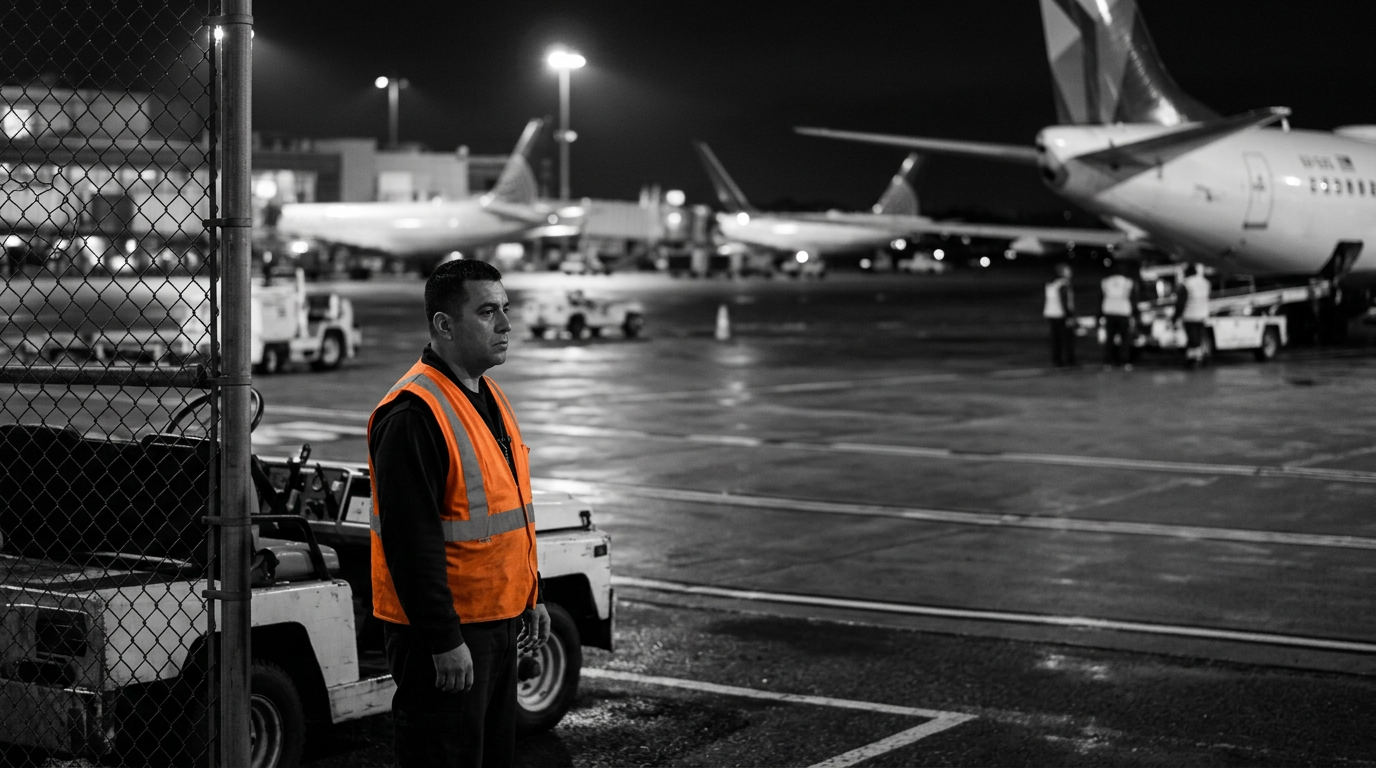
A preliminary report from the National Transportation Safety Board (NTSB) , released on Thursday, April 23, 2026, outlined a chain of communication and operational problems that preceded a fatal collision at LaGuardia Airport on March 22. The crash involved an Air Canada aircraft and a Port Authority truck and occurred at about 11:30 p.m. The two pilots on the plane were killed, and 39 other people were injured, including six who were seriously hurt.
According to the NTSB, the airfield was already under pressure because multiple emergency vehicles were on the runways responding to a separate situation involving a plane that reported smoke in its cabin. The report said seven emergency vehicles were operating on the runways during that response. None of those vehicles had transponders that would allow precise location monitoring, the NTSB said.
The report described radio congestion as a central issue. It said simultaneous transmissions on the same frequency obscured communications for all drivers. In that environment, the Port Authority truck continued moving and was traveling at approximately 24 mph when it struck the descending Air Canada jet, the NTSB said.
The NTSB said the truck driver did not recognize that a controller’s repeated “stop” instruction was directed at his vehicle because the radio frequency was obscured. With communications impaired, airport systems were unable to predict the developing conflict with the landing aircraft, the report said. The preliminary findings therefore point to a breakdown in situational awareness across both vehicle operations and air traffic coordination during an active runway response.
Officials said the NTSB’s full findings are expected within two years. The Port Authority said it would incorporate NTSB safety recommendations, but it had not yet made equipment changes. The report also noted that two air traffic controllers were on duty at the time, consistent with the mid-shift schedule.
The incident places renewed attention on how airports manage runway access during emergencies, particularly when multiple vehicles are deployed and radio traffic increases. The NTSB’s preliminary account centers on the absence of transponders for emergency vehicles, the effects of overlapping radio calls, and the resulting limits on both human and system-level conflict detection. The final report is expected to clarify additional contributing factors and any further safety recommendations.