Strait of Hormuz Shipping Remains Restricted
Eighty naval mines in the Strait of Hormuz block primary shipping lanes, preventing a return to normal maritime trade despite a recent US-Iran ceasefire.
Atlas Newsdesk ·
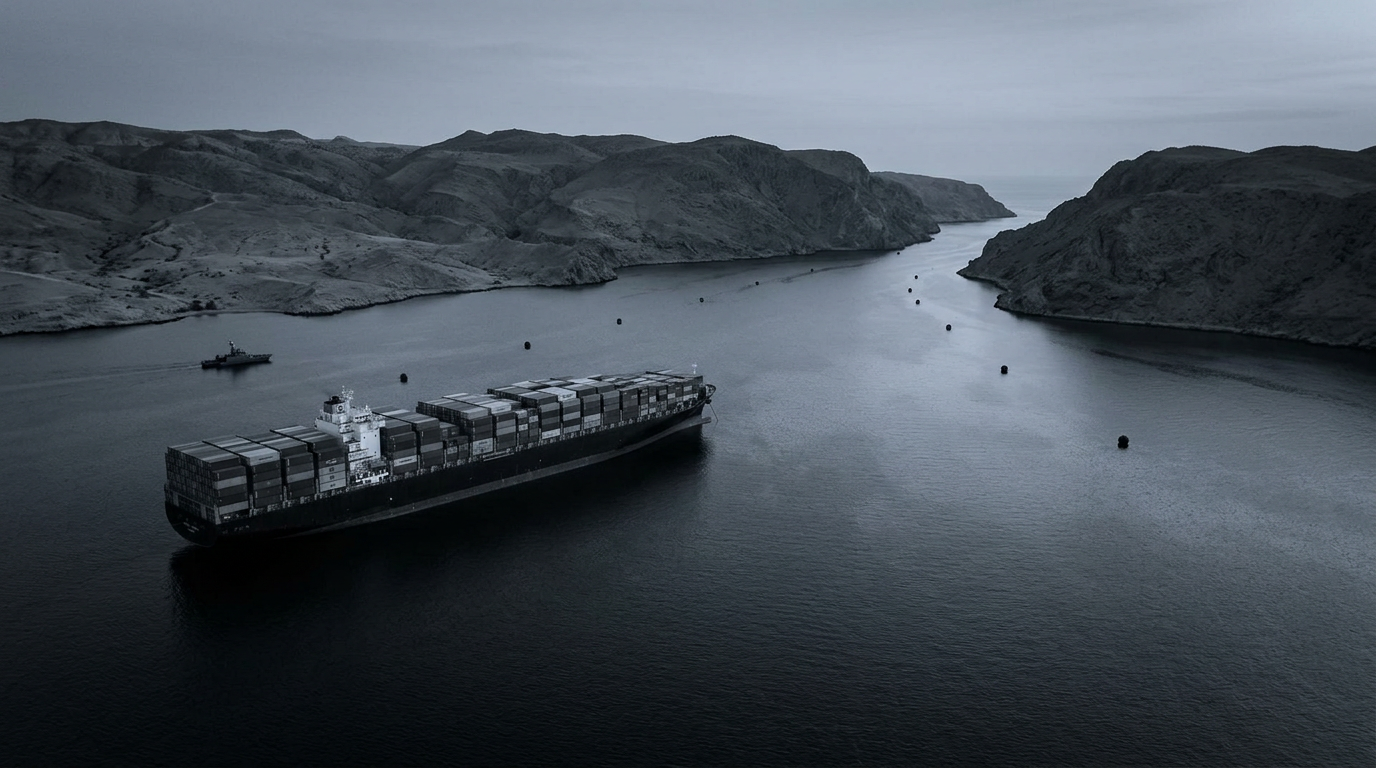
Maritime Operations Face Prolonged Disruption
The Strait of Hormuz will remain restricted to normal commercial traffic until approximately 80 naval mines are cleared from the central shipping channel. Intertanko, the association of independent tanker owners, confirmed on Thursday that the primary traffic separation scheme remains hazardous, forcing vessels to utilize narrow, high-risk routes near the Omani coast.
The presence of these mines, deployed during recent regional hostilities, creates a significant bottleneck for global energy supplies, as the strait previously facilitated the transit of 20 percent of the world's oil. While a memorandum of understanding between the United States and Iran has initiated a ceasefire, the physical obstruction of the waterway prevents a return to standard operations. Vessels currently navigating the periphery face elevated risks of grounding and collision, compounded by reports of electronic signal jamming that interferes with navigation systems.
The backlog of nearly 600 vessels anchored in the Gulf since February suggests that logistical normalization will be a protracted process. Furthermore, industry stakeholders remain concerned regarding Iran's stated intent to impose maritime tolls after a 60-day grace period. Such fees, which shipping firms characterize as illegal under international law, threaten to establish a precedent for other critical maritime chokepoints, potentially increasing long-term operational costs and geopolitical instability for global trade.