NFL preseason 2026: teams finalize 53-man rosters
NFL preseason 2026 begins as all 32 teams use games to decide 53-man rosters, settle position battles, and finalize depth charts.
Mehmet Şahinoğlu ·
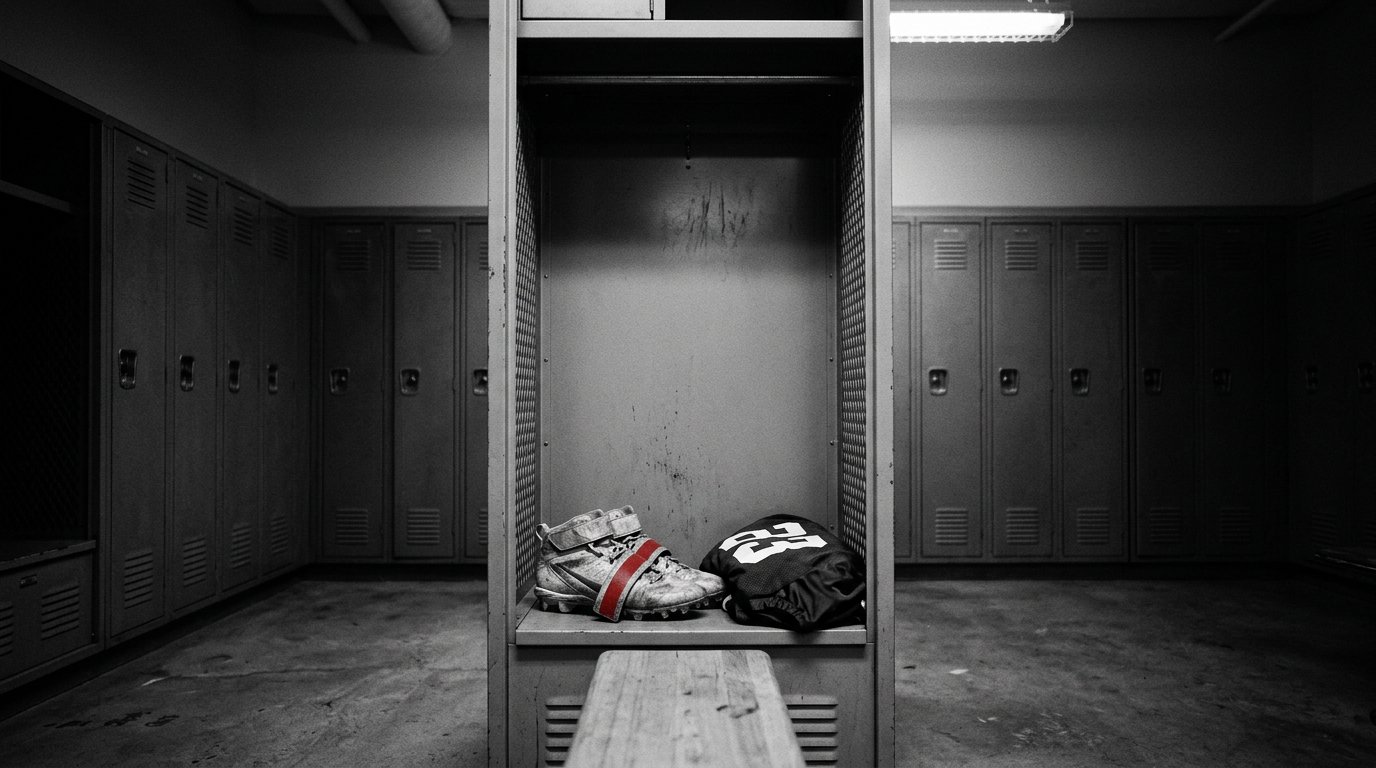
NFL teams have entered the 2026 preseason, a league-wide evaluation stretch for all 32 franchises as training camps conclude and roster decisions move closer to finalization.
Coaching staffs are leaning on scheduled preseason games to settle remaining questions on 53-man rosters and to lock in depth charts before the regular season begins. Team officials are also using these matchups to test combinations that looked promising in practice under conditions that more closely reflect real games.
Preseason games become the decisive evaluation stage
The shift from controlled camp drills to live snaps is a key reason the preseason carries weight across the league. In games, coaches can measure execution with contact, communication in real time, and whether players keep assignments when situations change quickly.
Those elements are harder to replicate in practice, where environments are designed for teaching and repetition. Preseason contests, by contrast, provide comparable game-like data points across series and situations, creating evidence that teams can use when competition is tight.
Roster-bubble players and open competitions in focus
A major emphasis is on players on the roster bubble and on position groups where competition remains unresolved. Teams are weighing how players respond when snaps are limited, opponents are less predictable, and decision-making must happen faster than most camp settings demand.
Clubs are also looking for breakout performers who can change how a unit is viewed or force a rethink of the depth chart. For personnel departments, these weeks operate as the last broad test before roster limits require final decisions on who stays and who is released.
Quarterback rotations and depth-chart stability
Quarterback usage is among the most closely watched areas in this phase. Coaches are using preseason series to see how quarterbacks manage transitions from one drive to the next, run the offense in live situations, and handle circumstances that are difficult to stage fully in practice.
Across the league, staffs are balancing the value of veteran experience against the desire to develop younger talent. When competition is close, preseason performance can serve as a tiebreaker in determining how the final 53 is constructed and how the depth chart is ordered.
Why depth charts matter before games count
Preseason work is not limited to identifying starters. Depth charts determine how teams manage injuries, fatigue, and weekly adjustments once the regular season begins, making roster-building a practical necessity rather than a formality.
With the regular season still ahead, teams are using this period to confirm starting lineups and establish dependable depth. The aim is to open the 2026 season with lineups that are both competitive and stable, based on in-game evaluation rather than practice projections alone.
For players fighting for roster spots, the window is short and the margin is small. For decision-makers, the preseason is the final chance to compare candidates in a consistent setting and finalize roster composition ahead of the 2026 regular season.