NFL Free Agency Sees Major Player Transactions
NFL free agency, starting March 9, 2026, saw major player transactions, including record contracts and significant team roster changes.
Mehmet Şahinoğlu ·
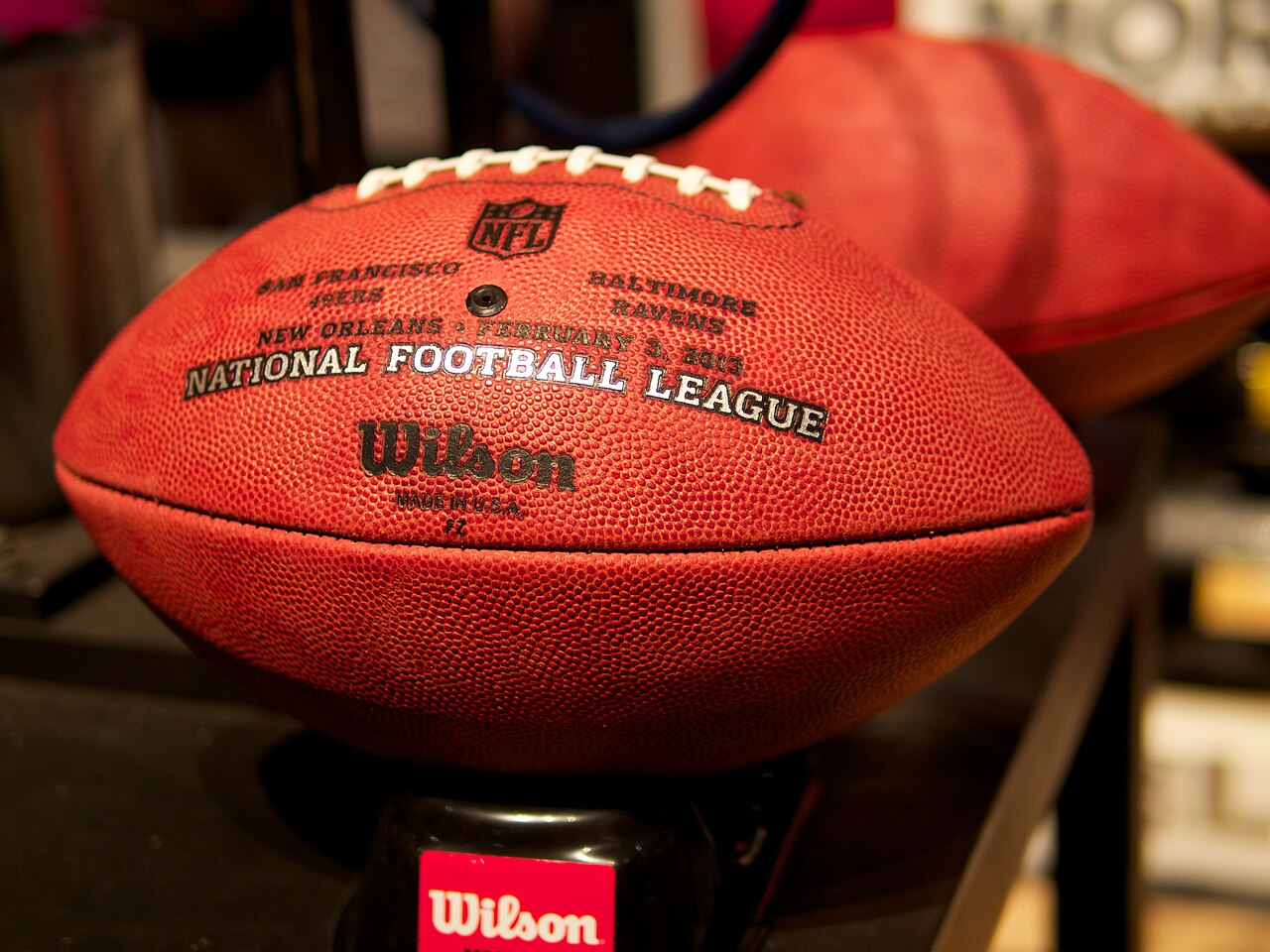
The National Football League's (NFL) free agency period, commencing on March 9, 2026, has triggered substantial player movement and significant contract agreements across numerous franchises. This annual window allows players whose contracts have expired to negotiate with any team, often leading to shifts in team rosters and financial landscapes.
One prominent transaction involved the Baltimore Ravens, who withdrew from a potential trade for defensive end Maxx Crosby of the Las Vegas Raiders. This decision was reportedly due to medical evaluations, prompting the Ravens to instead sign Trey Hendrickson to bolster their defensive line.
Key Player Signings and Contract Values
The New Orleans Saints finalized a four-year contract with running back Travis Etienne, valued at $52 million. This agreement positions Etienne among the league's top earners at his position, with an annual salary of $12 million. Meanwhile, cornerback Nahshon Wright joined the New York Jets on a one-year deal worth $5.5 million, a figure considerably below initial market projections for a longer-term, higher-value contract.
Wide receiver Mike Evans transitioned from the Tampa Bay Buccaneers to the San Francisco 49ers, securing a three-year deal potentially reaching $60.4 million. This move represents a significant offensive acquisition for the 49ers, adding a veteran presence to their receiving corps.
Record-Setting Deals and Team Performance
In a landmark agreement, the Las Vegas Raiders signed center Tyler Linderbaum to an $81 million contract over three years, establishing him as the highest-paid center in NFL history with an annual average of $27 million. Such high-value contracts underscore the increasing financial stakes in professional football.
Team performance during the free agency period has varied. The Los Angeles Rams garnered an 'A' grade for their strategic acquisitions, including cornerbacks Trent McDuffie, Jaylen Watson, Quentin Lake, and safety Kam Curl, effectively addressing critical defensive needs. Conversely, the Jacksonville Jaguars received a 'D' grade, having lost key players like All-Pro linebacker Devin Lloyd and running back Travis Etienne, with limited notable incoming talent to offset these departures.
Market Dynamics and Strategic Implications
Free agency is a critical component of NFL team building, allowing franchises to fill roster gaps, acquire veteran talent, and manage salary cap constraints. The decisions made during this period often have long-term implications for team competitiveness and financial health. Teams must balance immediate needs with future planning, considering player age, injury history, and potential for future performance.
The substantial financial commitments made to players like Linderbaum and Etienne reflect the premium placed on specific positions and the competitive nature of securing top-tier talent. These investments are intended to directly impact team performance and championship aspirations in the upcoming seasons.
Implications
Country Impact: The NFL's free agency period significantly impacts the economic landscape of host cities through player salaries, team expenditures, and fan engagement, contributing to local economies.
Industry Impact: The professional sports industry, particularly the NFL, experiences substantial financial shifts during free agency, influencing player market values, team payrolls, and the competitive balance of the league.
Market Impact: Player movement and contract values in NFL free agency can influence sports betting markets, fantasy sports valuations, and the overall financial health of franchises, impacting their stock if publicly traded.