Pentagon signals and Trump policy shifts drive anticipation for major UFO data release
Pentagon UAP release plans and Trump administration actions have intensified scrutiny, but key details on scope, timing, and content remain unclear.
Jason Kwon ·
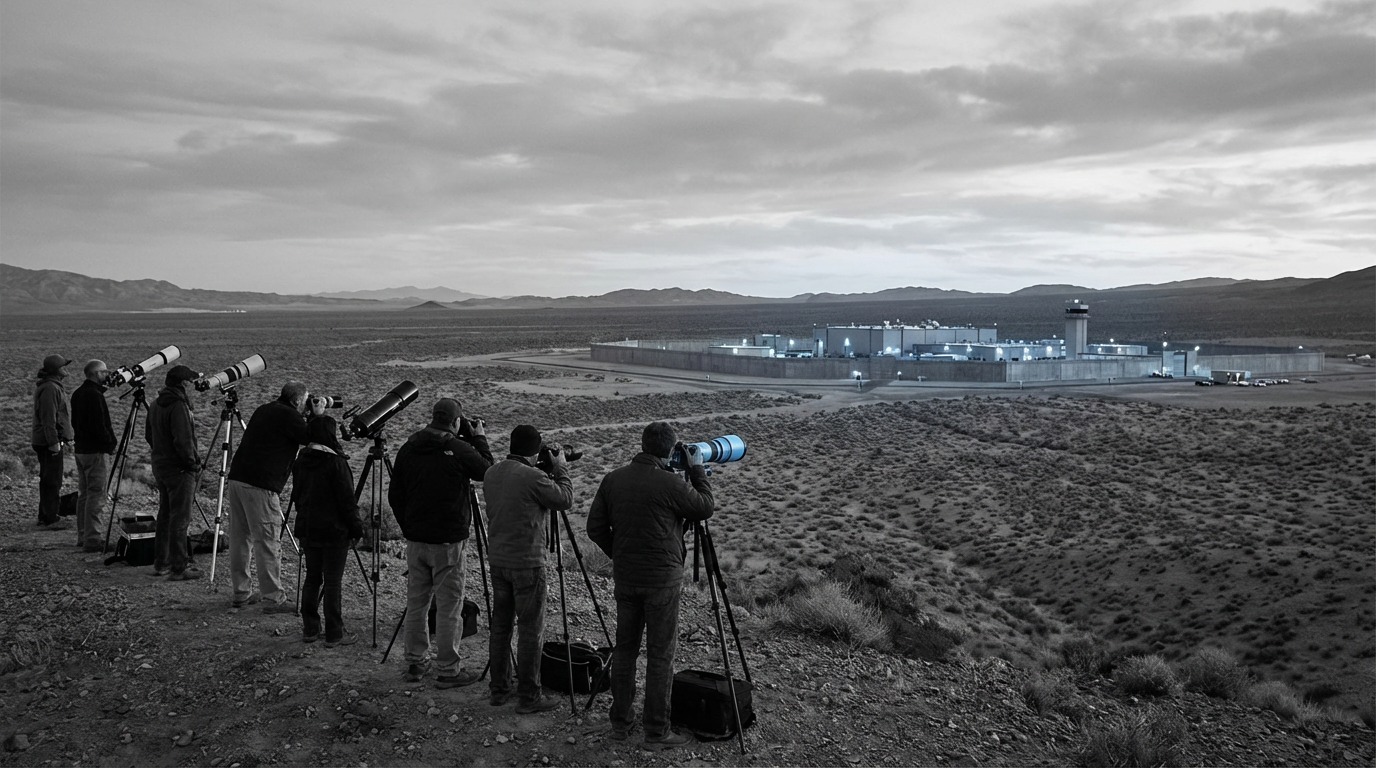
Public interest in Unidentified Flying Objects (UFOs), also described by officials as Unidentified Anomalous Phenomena (UAP), has risen sharply after a series of Trump administration moves and a new Pentagon signal that additional material is coming. In February, the administration issued a directive telling multiple departments to make public government documents related to alien and extraterrestrial life.
gov” domain was registered, a step supporters have treated as an indicator of increased official attention.
The discussion has also been pushed into the political mainstream by high-profile figures linked to the administration. Vice President JD Vance has said he has an “obsession” with UFOs. Donald Trump Jr. has publicly said he believes non-human intelligence is interacting with Earth.
Alongside those signals, the Department of Defense said it plans to release “never-before-seen UAP information,” a statement that has raised expectations among observers who track government disclosures. The department’s announcement did not define what the material will include, how it will be presented, or when it will be released. The lack of specifics has left the scope of any forthcoming publication unclear even as anticipation builds.
These developments are unfolding amid heightened congressional attention to the issue. A frequently cited reference point in current debate is the 2023 testimony of former intelligence official David Grusch. Grusch alleged that a multi-decade effort exists to collect and reverse-engineer crashed UFOs; the government rejected those specific claims, but the testimony and subsequent dispute have kept UAP questions active in political oversight discussions.
Advocates for greater transparency argue that the combination of executive-branch direction, public remarks from senior political figures, and Defense Department messaging reflects a meaningful change in how the topic is handled. Stephen Bassett of Paradigm Research Group has said these indicators suggest humanity is closer than ever to official disclosure.
Some observers therefore view the administration’s recent steps as more than symbolic, while acknowledging that the content of any release remains undefined.
For markets and politics, the immediate relevance is centered on process rather than confirmed new findings. Government-ordered publication of files can shape how institutions handle sensitive information, how lawmakers design oversight, and how defense agencies describe aerial incidents. Internationally, the UAP label and any related disclosures could draw attention from allied governments and defense organizations that monitor similar reports, even if no shared conclusions emerge.
Key uncertainties remain unresolved. The administration has not identified which departments are covered beyond the February directive, what specific records will be released, or the timing for the Pentagon’s “never-before-seen UAP information.” It is also unknown whether any disclosures will address the 2023 allegations, particularly given the government’s denial of the specific claims about a long-running crash-retrieval and reverse-engineering program.