Himalayan Flood Death Toll Rises as Search Efforts Continue
Search operations continue in Nepal and Tibet after August 26 glacial flood, with 1,130 confirmed deaths and thousands missing.
Lauren Collins ·
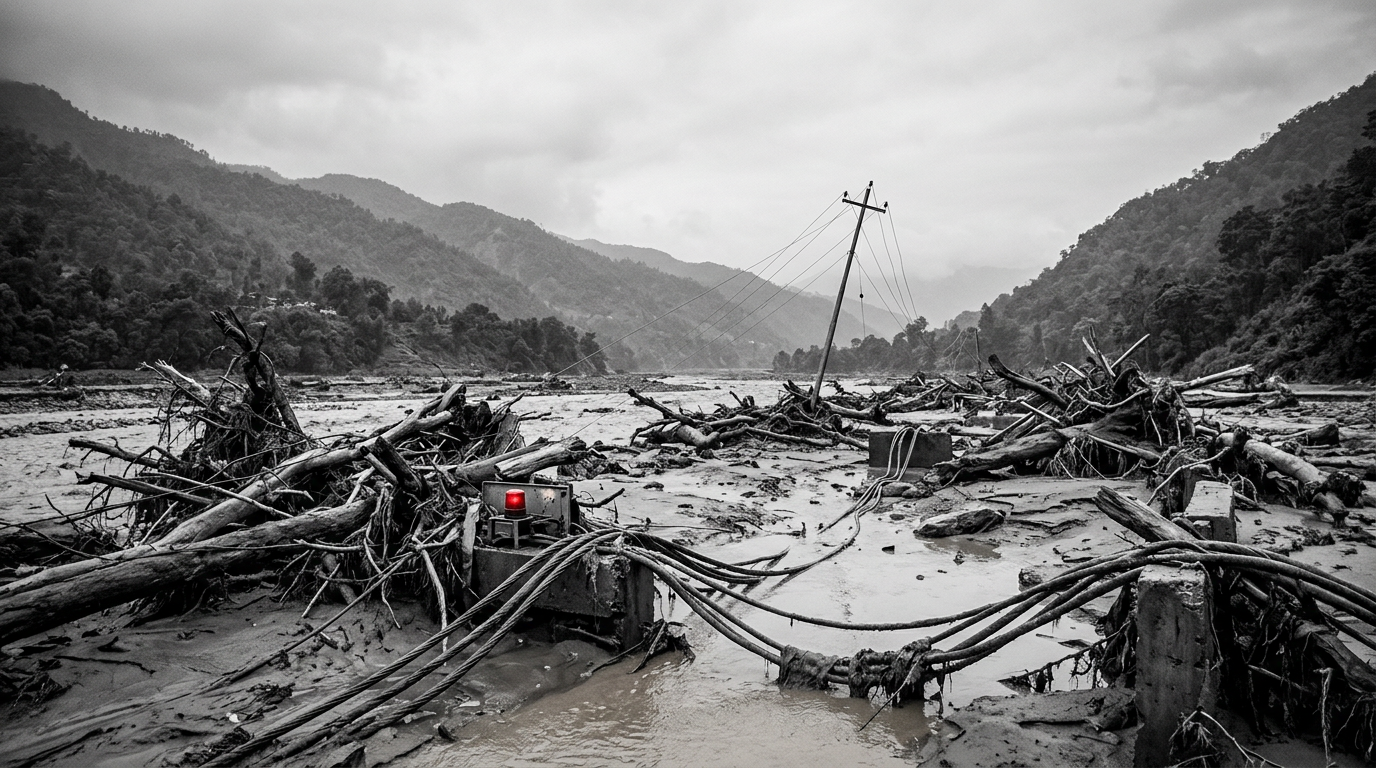
Search and rescue efforts have entered their second week in Nepal and China's Tibet region following a devastating glacial lake outburst flood that struck on August 26. The catastrophic event has led to at least 1,130 confirmed fatalities across both areas, with nearly 4,500 people still unaccounted for. The flood, initiated by a glacial collapse, deposited an estimated 2.2 million tonnes of debris throughout the affected valleys, causing widespread destruction.
The impact on critical infrastructure has been substantial. Eleven operational hydropower stations and one solar plant have ceased production, while an additional 15 power projects under construction sustained severe damage. International recovery teams from China, India, and South Korea are actively supporting local authorities in their efforts to locate workers trapped in tunnel sites and to identify victims.
Infrastructure and Recovery Challenges
The scale of the destruction highlights the vulnerability of infrastructure in mountainous regions prone to such natural disasters. The cessation of power generation from multiple facilities underscores an immediate economic and energy supply challenge for the affected areas. Recovery operations are complex, involving challenging terrain and the need for specialized equipment to navigate the heavy debris and damaged sites.
International assistance is crucial for bolstering local capabilities, particularly in accessing remote locations and managing the large number of missing persons. The collaboration between different national teams indicates the regional nature of disaster response in the Himalayas, a region shared by several countries.
Climate Change and Regional Claims
This disaster has significantly intensified discussions regarding climate accountability on a regional and international level. The Nepalese government has formally lodged climate compensation claims against major industrial emitters, asserting that the flood is a direct consequence of escalating global temperatures. This move places the event within the broader context of climate justice and the responsibilities of industrialized nations.
Scientific assessments had previously identified the region as particularly high-risk. Experts noted that retreating glaciers and the formation of unstable glacial lakes pose a persistent, long-term threat to communities downstream. Such conditions could eventually render current settlements uninhabitable, necessitating long-term adaptation strategies and possibly relocation for vulnerable populations.