Washington, D.C. change signals a shift in neighborhood life
Washington, D.C. change is reshaping storefronts, culture, and civic life, a December 9, 2025 essay argues, with policy responses still uncertain.
Sophie McAlister ·
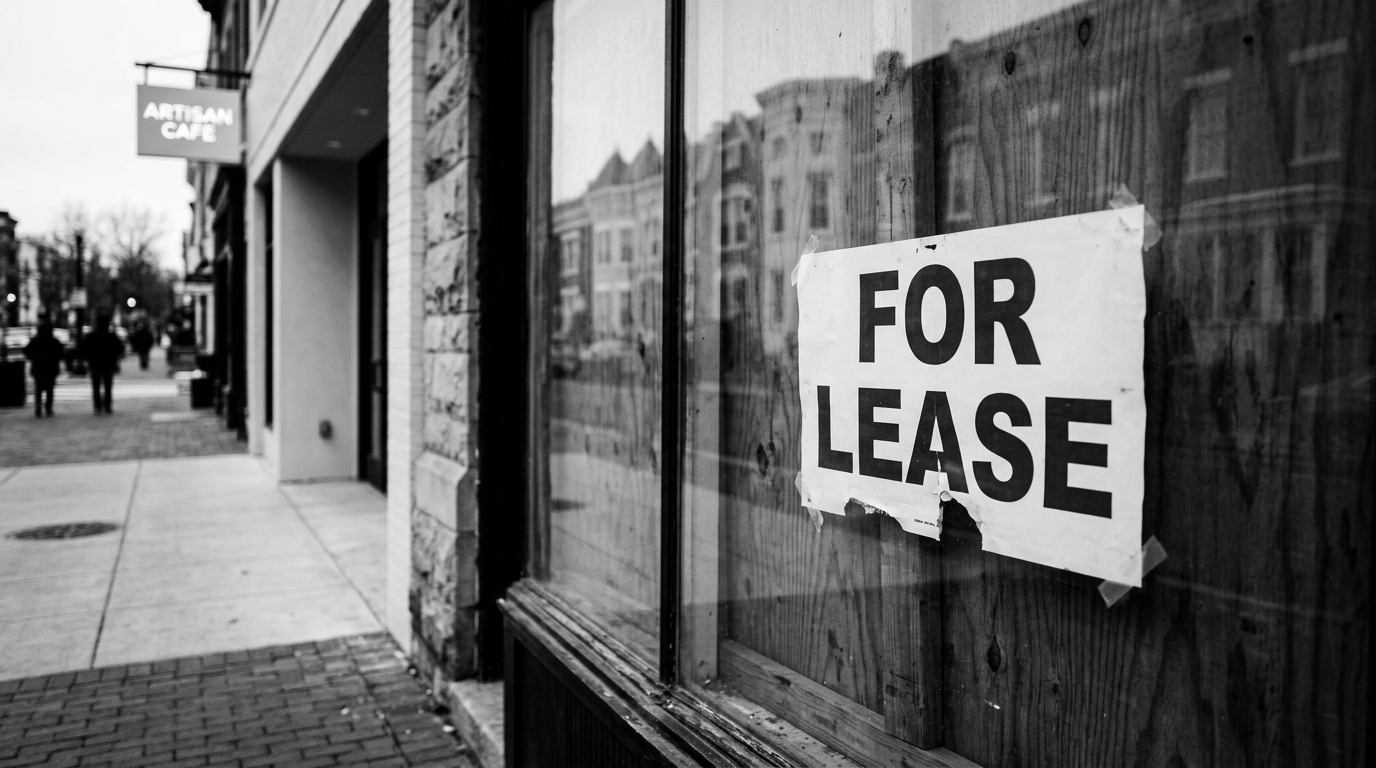
A longform essay published on December 9, 2025 argues that Washington, D.C. is moving into a new phase in which familiar neighborhood patterns are being displaced by faster development and changing retail and cultural habits.
The piece, released by District Dig, does not introduce new datasets. Instead, it assembles local reporting, street-level observation, and interviews with residents, small-business owners, and community observers to describe a citywide shift that feels tangible in everyday routines.
Retail turnover reshapes street-level identity
A central thread is the changing storefront mix. The essay describes fewer independently run shops and more national brands or higher-end replacements, producing commercial corridors that feel less tied to local history and relationships.
It links that turnover to rising costs, shifts in consumer behavior, and a development pipeline that, in the author’s framing, is rewriting the economics of street-level commerce across multiple neighborhoods.
The author presents change as visible both in small increments and large leaps: block-by-block replacement of familiar businesses alongside major real-estate projects that alter housing supply and demand citywide.
Housing and development pressures spill into daily life
Beyond retail, the essay argues that large projects and broader market shifts reshape who can remain in, move to, or spend time in particular areas. Those dynamics, it says, filter into public space usage and the durability of long-standing neighborhood anchors.
Institutions cited as vulnerable include long-running restaurants and civic groups that have historically served as stabilizers. The essay suggests that when such anchors close or transform, the lived experience of a place can change quickly, even if the street grid remains familiar.
Culture and civic ties under strain amid uneven change The reporting also highlights cultural dimensions, including changes in nightlife, restaurant scenes, and arts spaces. The argument is that culture is not separate from commerce: as venues change hands or disappear, residents’ sense of belonging and informal social networks can weaken.
District Dig frames the transition as contested rather than one-directional, describing uneven outcomes with perceived winners and losers across economic and social lines. The essay does not present the shift as purely positive or purely negative.
Policy levers and community responses remain open questions
Alongside reflection, the piece points to active efforts aimed at protecting local character. It cites preservation groups, community associations, and neighborhood business alliances working to sustain small enterprises or advocate for supportive policies.
It also places the debate in the realm of legal and economic tools, including zoning, property values, and local permitting, which the essay argues can determine what types of businesses endure in a corridor.
The essay concludes that documenting these changes is urgent as they accelerate in parts of the city. What happens next, it says, will depend on how policymakers, community groups, and developers respond through small-business support, preservation measures, or zoning debates that shape Washington’s next chapter.
Implications
Country Impact: For Washington, D.C., the essay highlights how development and retail turnover can alter neighborhood routines and public-space life. It also underscores that civic institutions and long-running local anchors may be affected as the city’s commercial mix changes.
Industry Impact: For small businesses and local retail corridors, the piece points to pressures linked to rising costs, shifting consumer habits, and redevelopment that can favor chains or higher-end replacements. It also notes organized responses by preservation groups, community associations, and business alliances seeking policies that support locally rooted enterprises.
Market Impact: The essay situates neighborhood change within housing supply-and-demand dynamics shaped by larger real-estate projects. It further emphasizes that zoning, property values, and permitting can influence which business models remain viable, making policy debates a key variable for corridor-level economics.