Fairphone Gen 6+ Launches in US with Repairable Design
Fairphone Gen 6+ enters the US market, promoting modular design, user repairability, and a five-year lifespan to counter electronic waste.
Atlas Newsdesk ·
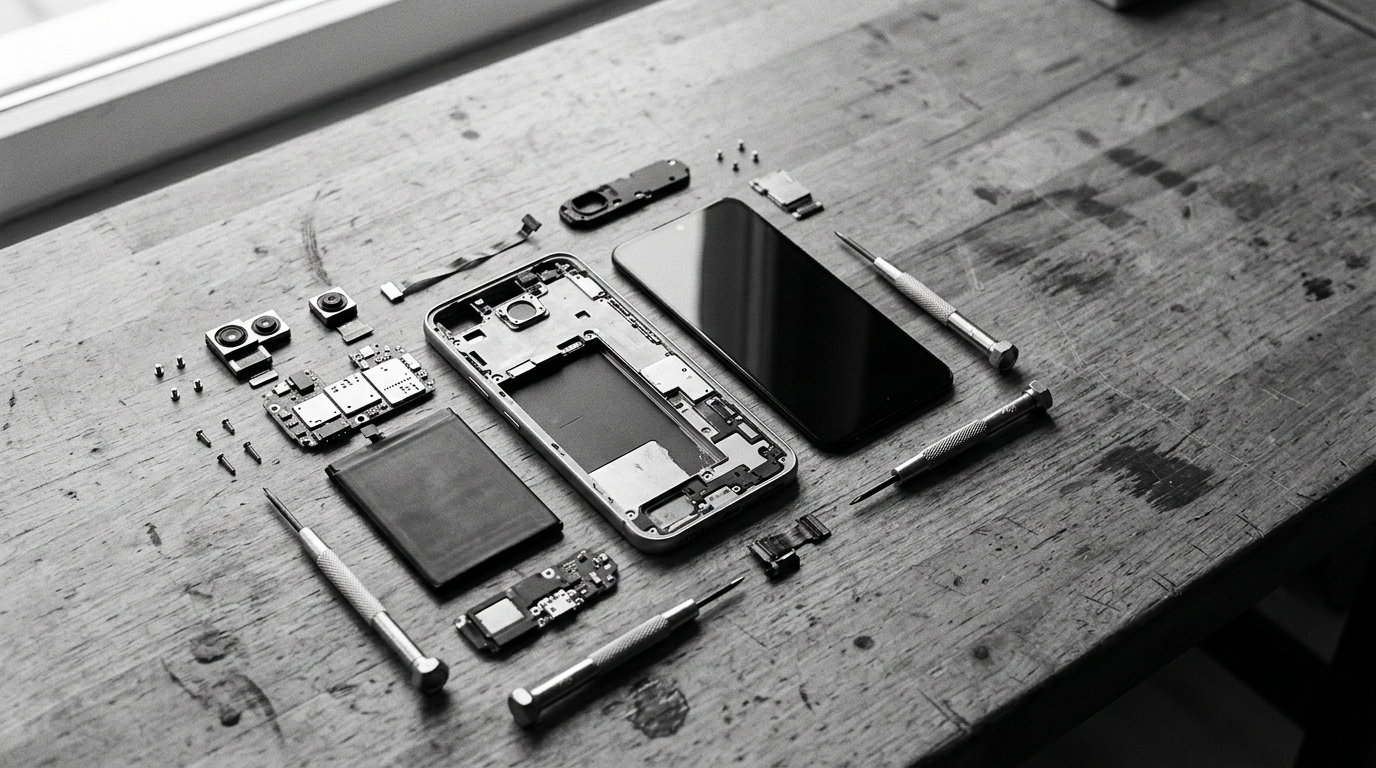
Fairphone has officially introduced its Gen 6+ smartphone model to the United States market, emphasizing a design philosophy centered on modularity and user-driven repairability. This release marks a significant divergence from the conventional sealed designs prevalent across the consumer electronics industry, which often complicate maintenance and contribute to increased electronic waste.
The device is specifically engineered to allow consumers to replace 12 distinct internal components, including essential parts like the battery and display, using only a standard T5 Torx screwdriver. This approach directly challenges the widespread industry practice of employing adhesives, which typically hinder repairs and shorten product lifespans. Fairphone aims for its devices to have a five-year operational lifespan, a target that contrasts sharply with the two-to-three-year upgrade cycles frequently promoted by major mobile technology manufacturers.
Prioritizing Repair and Sustainability
Fairphone's modular strategy serves as a direct response to the growing global advocacy for 'right to repair' legislation. This legislative movement seeks to grant consumers and independent technicians greater access to the necessary parts, tools, and information required for fixing electronic devices. The overarching is to extend product longevity and significantly reduce waste, aligning with broader environmental sustainability initiatives worldwide.
While the modular construction of the Fairphone Gen 6+ might result in a slightly larger form factor compared to some non-modular devices, its design offers substantial long-term benefits for users. Consumers can anticipate reduced maintenance expenses over the device's lifespan. Furthermore, the product aligns with overarching corporate sustainability objectives, including the responsible sourcing of conflict-free minerals and adherence to fair labor standards throughout its intricate supply chain.
Challenging Industry Norms
The introduction of a device with this distinctive design philosophy into a major market like the U.S. could exert influence on broader design practices across the consumer electronics sector. By demonstrating the commercial viability of repair-friendly products, Fairphone directly challenges the concept of planned obsolescence. This widely used strategy involves designing products with an intentionally limited lifespan to encourage frequent replacements, thereby stimulating continuous consumption.
This model has the potential to reshape consumer expectations, shifting preferences toward more durable and environmentally conscious products. The company's commitment to a five-year usage target serves as a crucial performance indicator that directly addresses environmental concerns. Reduced replacement cycles inherently lead to decreased resource consumption in the manufacturing of new devices and a significant reduction in the volume of electronic waste ultimately destined for landfills.
Market Implications and Future Compliance
As regulatory bodies globally increasingly focus on sustainability and consumer rights, Fairphone's operational model could serve as a valuable blueprint for other manufacturers seeking to comply with prospective environmental and repairability mandates. The increased presence of Fairphone in the U.S. market also highlights evolving consumer preferences, indicating a growing segment of the market that prioritizes ethical sourcing, environmental impact, and product longevity over purely aesthetic considerations or ultra-thin designs.
Should this demand for sustainable and repairable electronics continue its upward trend, it could prompt larger technology firms to critically re-evaluate their current manufacturing processes and product lifecycle strategies. The user-friendly T5 Torx screw interface of the Fairphone Gen 6+ reflects a design approach that could gain significant traction in a market historically dominated by proprietary and often complex repair solutions. The ultimate success of the Fairphone Gen 6+ within the highly competitive U.S. landscape will serve as a critical indicator of how deeply sustainable and repairable electronics can penetrate mainstream markets, potentially fostering innovation in durable design and accelerating the adoption of circular economy principles across the technology sector.