NE Montessori Students Study Butterflies, Learn 'Mariposa' and Life Cycle
NE Montessori students in DC explored the life cycle of butterflies and learned the word 'mariposa,' highlighting bilingual and nature-based learning.
Sophie McAlister ·
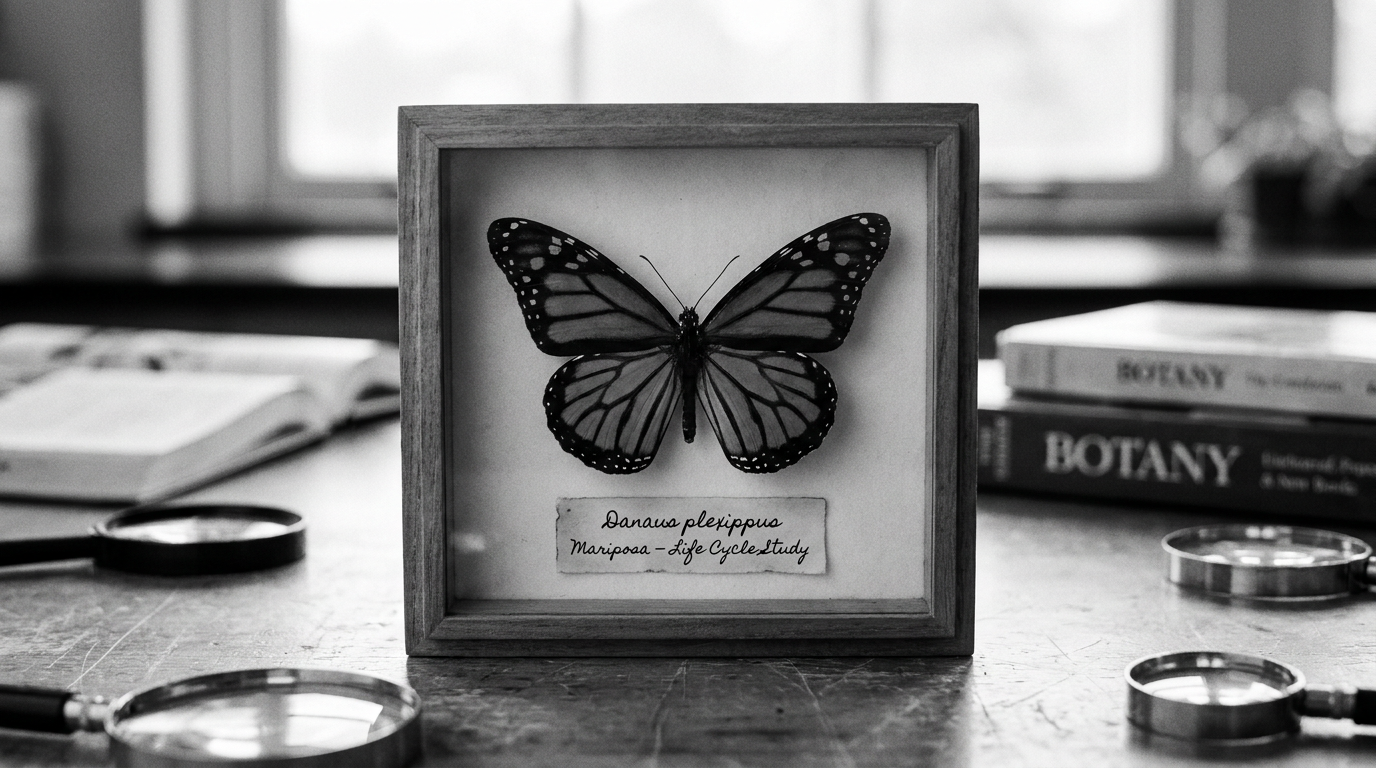
Students at NE Montessori in Northeast Washington, D.C., spent April studying butterflies, learning the Spanish word for the insect—"mariposa"—and exploring the first stage in a butterfly’s life cycle. The activities, reported by a local neighborhood outlet, centered on the egg stage and how eggs are typically laid on leaves.
The classroom work combined language exposure with natural science, showing students how the life cycle begins. The Hill Rag reported the lessons, describing how children identified the egg stage as the starting point of metamorphosis and practiced naming the insect in Spanish.
Classroom focus on life cycle basics
The school emphasized the biological beginning of a butterfly’s development: the egg laid on a leaf. Students observed images and descriptions of the egg stage, reinforcing basic life-cycle vocabulary and plant-insect relationships.
NE Montessori's lesson connected a simple scientific fact—the egg is usually laid on a leaf—with language learning by teaching the Spanish term mariposa. That combination of content-area learning and bilingual vocabulary reflects broader educational priorities that local parents and educators track in city schools.
Local context and early learning in Northeast DC
NE Montessori is part of the Northeast DC school community where neighborhood reporting often highlights classroom projects and family-facing programming. Local coverage of school activities provides a window into everyday learning in Washington neighborhoods and offers parents a way to follow curriculum themes and classroom emphases.
While the coverage focused on the egg stage and the Spanish vocabulary term, it underscores a pattern in early childhood classrooms: using tangible natural subjects to build language skills and foundational science understanding. Neighborhood outlets frequently spotlight these kinds of lessons because they connect directly to families' interests in early education quality.
As spring progresses, similar classroom units — on insects, plants, or other seasonal topics — are likely to continue across DC schools, offering more chances for students to combine language, observation, and basic biology.