NBA Explores Expansion to Las Vegas, Seattle
The NBA is considering expanding to 32 teams by 2028, targeting Las Vegas and Seattle with projected expansion fees of $7-10 billion.
Mehmet Şahinoğlu ·
The National Basketball Association (NBA) is actively considering expanding its league by two teams, targeting Las Vegas and Seattle as potential new markets. This strategic move, which could increase the total number of franchises from 30 to 32, is slated for formal discussions in upcoming league meetings later this month. The proposed timeline anticipates these new teams joining the league by 2028.
Initial projections for expansion fees are substantial, estimated to fall between $7 billion and $10 billion. This financial framework underscores the league's objective to generate significant new revenue through the introduction of additional franchises. The high valuation reflects the increasing economic appeal of professional sports team ownership and the potential for enhanced broadcast and commercial rights.
Strategic Growth and Market Demand
This potential expansion aligns with a broader trend observed across major professional sports leagues to augment revenue streams. By adding two teams, the NBA would inherently increase its total inventory of games, which directly translates to greater opportunities for broadcast rights, ticket sales, and merchandise revenue. The selection of Las Vegas and Seattle highlights the league's assessment of these cities as prime growth markets with strong fan bases and economic potential.
Financial Implications and League Valuation
The projected expansion fees represent a significant financial injection into the league, indicating a robust valuation of new franchise opportunities. This approach contrasts with other leagues, such as the NFL, which is reportedly exploring an extension of its regular season from 17 to 18 games to achieve similar revenue growth. The NBA's strategy focuses on geographical expansion and increasing the number of teams rather than solely extending the existing season structure.
Historical Context of NBA Expansion
The NBA has a history of strategic expansion to grow its footprint and market share. The league last expanded in 2004 with the addition of the Charlotte Bobcats (now Hornets). Prior to that, the Toronto Raptors and Vancouver Grizzlies (now Memphis Grizzlies) joined in 1995, marking the league's push into Canada.
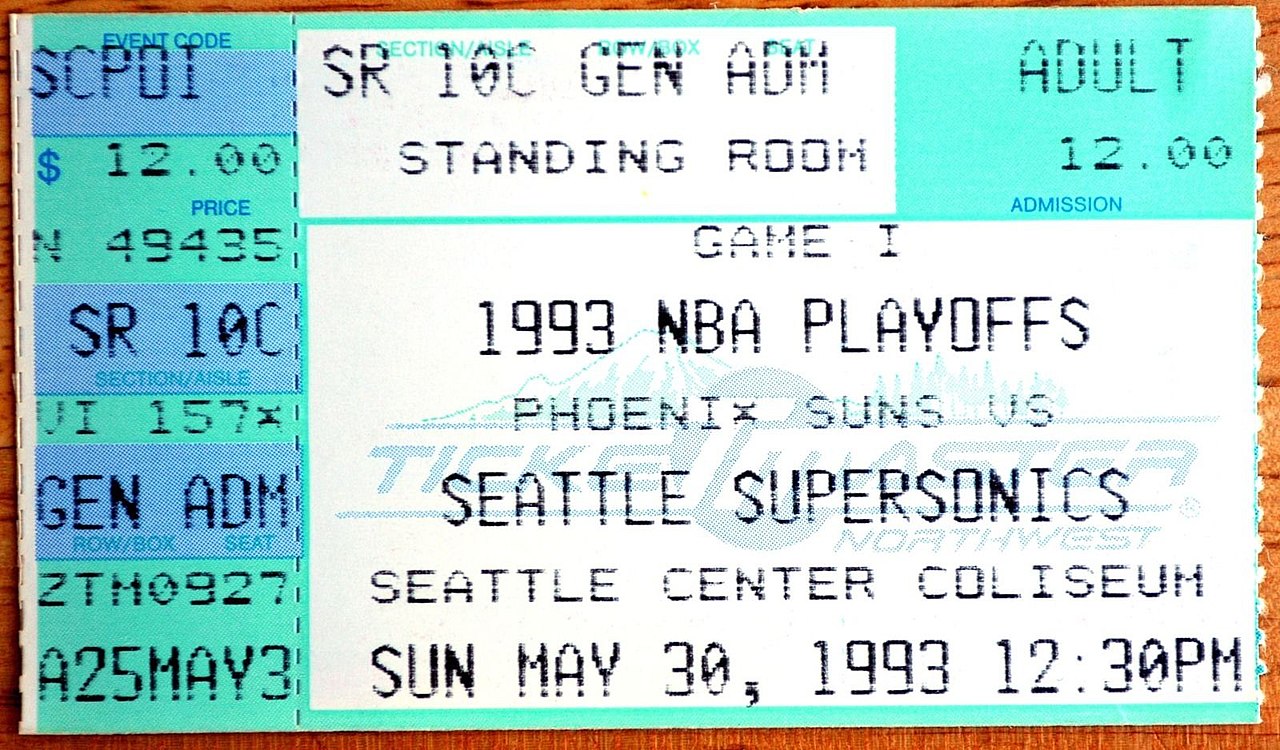
Seattle, a city with a strong basketball legacy, previously hosted the SuperSonics before their relocation to Oklahoma City in 2008, making its potential return a significant development for fans and the league.
Outlook for Future Discussions
Further details regarding the expansion process, including specific ownership groups and arena plans for Las Vegas and Seattle, are expected to emerge following the upcoming league discussions. The successful integration of new teams would not only boost the NBA's financial standing but also expand its global brand presence and competitive landscape. The league's proactive stance on growth reflects a confident outlook on its future economic trajectory and market appeal.
Implications
Country Impact: The expansion could stimulate local economies in Las Vegas and Seattle through job creation, infrastructure development, and increased tourism related to sports events. It also signifies a broader trend of sports leagues investing in new U.S. markets.
Industry Impact: For the sports and entertainment industry, this move indicates a strong valuation of professional sports franchises and the potential for significant growth in media rights and sponsorship deals. It could also intensify competition for talent and fan engagement.
Market Impact: The projected multi-billion dollar expansion fees highlight the robust financial health and investment appeal of major sports leagues. This could influence valuations of other sports assets and attract further institutional investment into the sector.