Argentine Court Orders Seizure of Hidden Nazi Artifact Collection
An Argentine federal court mandated the return of an 18th-century painting, looted by Nazis in 1940, to the heir of a Dutch Jewish art dealer after its discovery in Mar del Plata.
Atlas Newsdesk ·
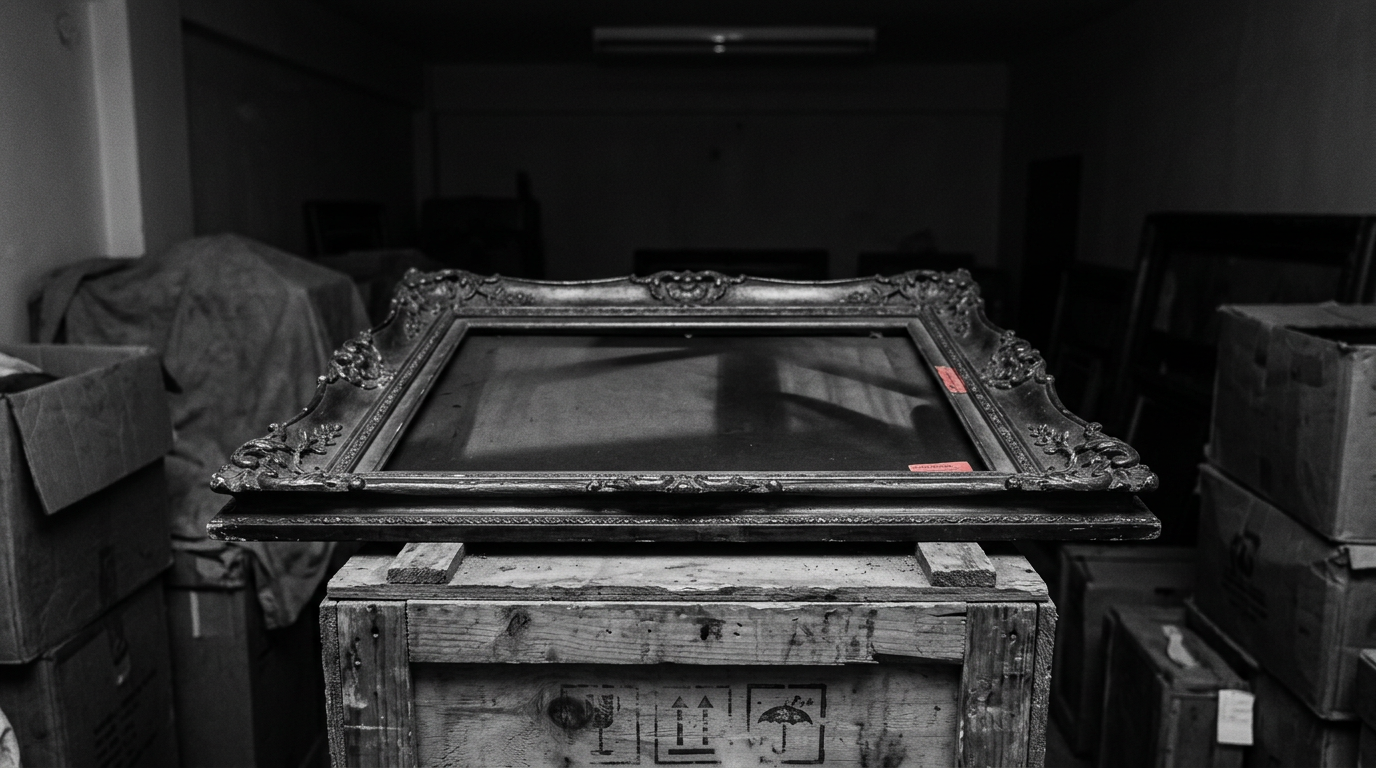
A federal court in Argentina has issued a ruling for the return of an 18th-century artwork, a painting by Giuseppe Ghislandi, to the descendant of a Dutch Jewish art merchant. The piece had been unaccounted for since 1940, reappearing in 2025 inside a private home located in Mar del Plata. The residence was owned by the daughter of an individual who had financed the Nazi SS and subsequently moved to Argentina after World War II.
This judicial decision stems from an agreement reached between Marei von Saher, the claimant, and the current custodians of the painting. Those holding the artwork had been subjected to criminal proceedings for its concealment.
As part of the resolution, they consented to transfer the asset and provide a monetary contribution to local healthcare institutions. This particular case underscores the continuing legal difficulties involved in reclaiming cultural items expropriated during the Nazi regime.
Long-standing Art Recovery Efforts
Approximately 1,000 art pieces were initially plundered from the victim's collection following the 1940 invasion of the Netherlands. While the Dutch government has successfully retrieved and returned some of these assets previously, a substantial number of stolen works continue to circulate globally. This ongoing circulation presents potential legal and reputational challenges for those who currently possess such items, often unknowingly.
The restitution highlights the international effort to address historical injustices related to art appropriation during World War II. Many countries, including Argentina, have become focal points for investigations into the whereabouts of stolen art, particularly due to the influx of Nazi officials and collaborators who sought refuge there after the war.
The discovery of the Ghislandi painting nearly eight decades after its disappearance emphasizes the persistent nature of these recovery efforts and the importance of due diligence in the art market.
Implications for Art Provenance
This court order reinforces the principle that provenance, the documented history of ownership of an artwork, remains critical in the art world. For collectors, galleries, and museums, the diligent tracing of an object's history is essential not only for ethical reasons but also to mitigate significant legal and financial risks.
The case serves as a stark reminder that artworks with questionable or incomplete histories can lead to complex legal disputes and damage to reputation, even decades after their initial acquisition.
The settlement's inclusion of a financial donation to medical facilities suggests a broader approach to reparations, acknowledging societal harm beyond the direct loss of property. This precedent could influence future negotiations and legal proceedings for other looted artifacts, potentially expanding the scope of restorative justice.
International organizations and national governments continue to collaborate on databases and initiatives aimed at identifying and returning cultural property to its rightful owners.