NATO summit opens as Turkey eyes F-35 return and Greece sells ‘reliability’
A NATO leaders’ summit opened with alliance defense spending and air-power procurement back in focus, as Turkey presses for a path back into the F-35 program…
Claire Dubois ·
# NATO summit opens as Turkey eyes F-35 return and Greece sells ‘reliability’
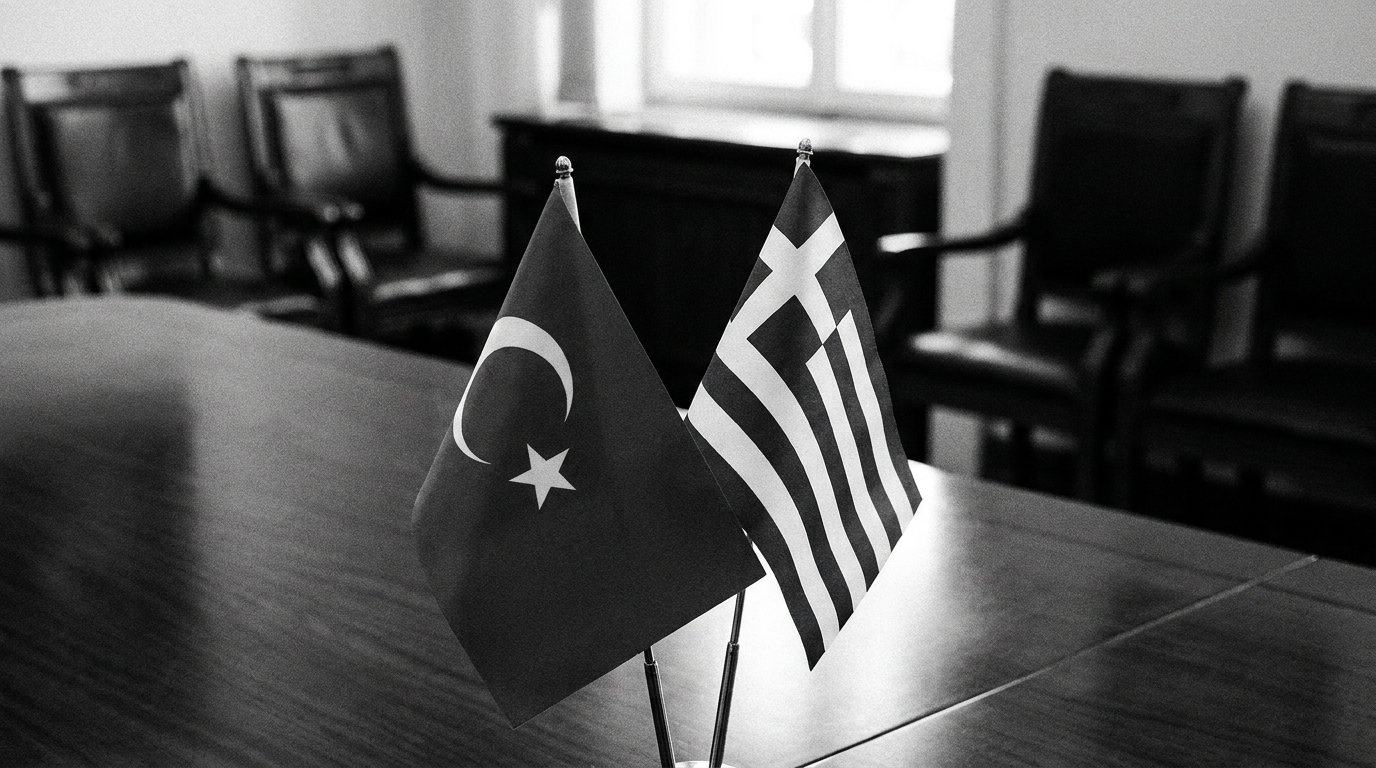
NATO leaders are gathering this week with defense spending and deterrence priorities at the top of the agenda, as Ankara again signals it wants back into the F-35 fighter-jet program and Athens tries to frame itself as the alliance’s more predictable pillar in the eastern Mediterranean. The summit comes as Greek officials amplify a message of “reliability” and readiness, while Turkish officials confront the political and technical obstacles that led to Turkey’s earlier removal from the program.
The renewed F-35 chatter also carries a U.S. domestic political overlay. According to The New York Times, Donald Trump is preparing what the paper described as a “gift” for Turkish President Recep Tayyip Erdoğan by supporting Turkey’s return to the F-35 program.
NATO summits usually land on two tracks: capability targets (how much each member spends and what it buys) and cohesion (how leaders manage friction inside the alliance while trying to deter external threats). The current meeting is being framed publicly around higher defense outlays and readiness, which gives countries a platform to argue they are pulling their weight.
For Turkey and Greece, that platform doubles as a credibility contest. Turkey is a key NATO military power on the alliance’s south-eastern flank, but its relationship with the U.S. has been strained for years by defense-procurement disputes. Greece, by contrast, is using the summit optics to underline alignment with U.S. and NATO priorities and to show it can be treated as a dependable planning partner.
What it means for the euro area
While the F-35 question is fundamentally a U.S.-NATO procurement and diplomacy story, it matters for the euro area through defense budgets, industrial policy, and risk pricing at the periphery. If summit messaging hardens around higher, sustained defense-spending commitments, euro-area governments could face renewed pressure to allocate more fiscal space to defense within their national budget frameworks. That, in turn, can complicate domestic trade-offs between security spending and other priorities, especially where debt levels and funding costs are already politically sensitive.
Markets also tend to treat intra-alliance cohesion as part of the broader European risk backdrop. A clearer signal of alignment between Washington and key NATO members can reduce perceived tail risks around the eastern Mediterranean, while a flare-up between allies can do the opposite. For euro-area assets, that channel typically shows up first in relative risk premia rather than in the ECB’s policy path: investors may reassess peripheral spreads and bank funding conditions if geopolitical frictions look more likely to spill into energy, trade, or migration dynamics.
A falsifiable marker from this summit cycle is whether the U.S. administration moves from general political signaling to a concrete, procedural step that would be required for any Turkey return to the F-35 program, such as a formal notification to Congress or a written policy statement that explicitly backs re-entry. By 2026-07-31, a clear “right” condition would be an identifiable, official U.S. action that starts a decision timeline; a “wrong” condition would be continued reliance on anonymous briefings and press framing without any formal U.S. step that changes Turkey’s status in the program.