National Zoo’s Hummingbird Nectar Recipe: How and Why D.C. Gardeners Should Care
Smithsonian's National Zoo hummingbird nectar recipe: 4 parts water to 1 part sugar, boiled & cooled. Includes feeder tips to support local pollinators in D.C.
Sophie McAlister ·
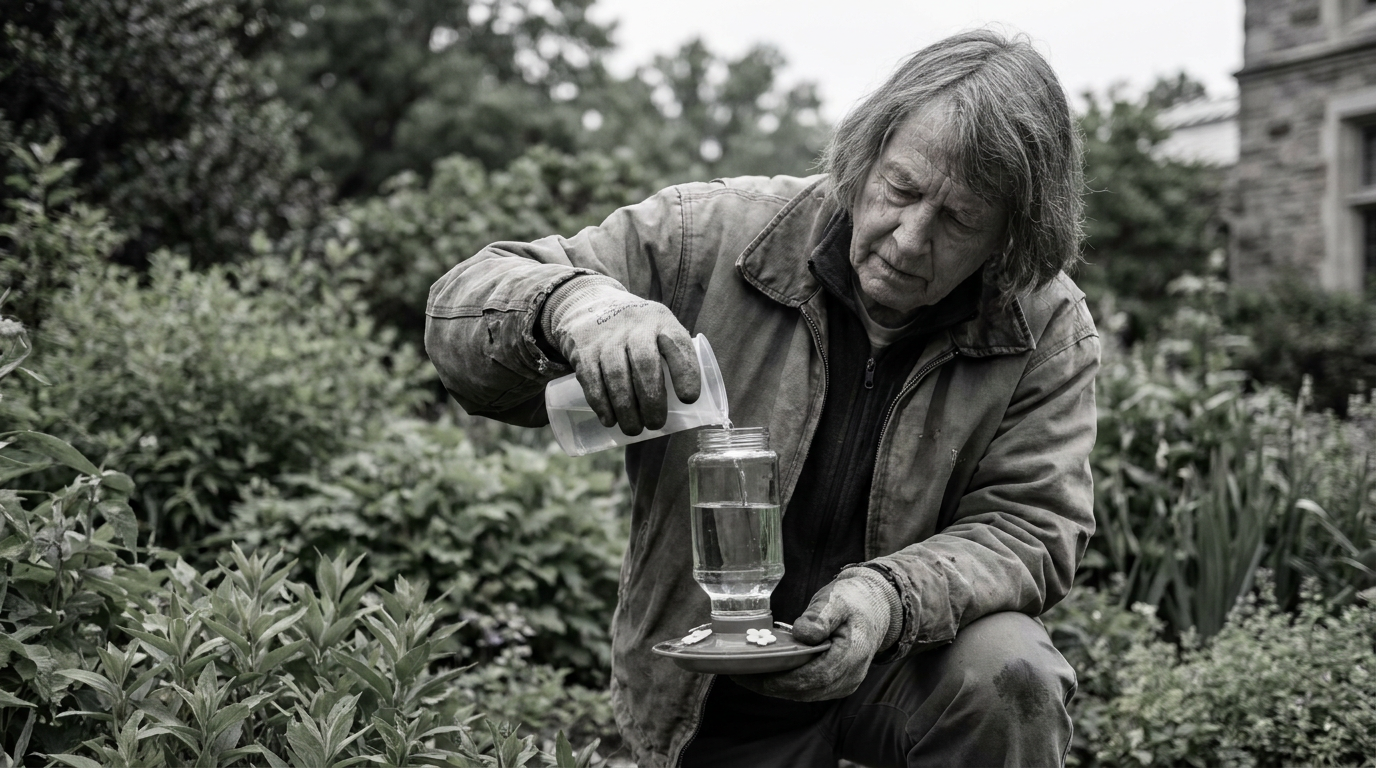
The Smithsonian’s National Zoo has published a straightforward hummingbird nectar recipe and guidance for backyard feeders, offering D.C. residents a reliable way to support local hummingbirds. The recipe uses a four-to-one ratio of water to white granulated sugar, and the zoo stresses boiling and cooling the mixture before filling feeders. The post highlights feeder hygiene, storage recommendations and safety tips—measures intended to keep hummingbirds healthy and reduce the spread of disease.
The zoo’s notes say the sugar solution should be made with plain white granulated sugar; honey, brown sugar and artificial sweeteners are not recommended because they can harbor bacteria or lack the correct nutritional profile. The solution should be brought to a boil so the sugar dissolves fully, then allowed to cool to room temperature before being poured into feeders. The zoo advises against adding red food coloring, which is unnecessary and can be harmful.
Feeder hygiene and storage
Cleaning feeders regularly is a central part of the zoo’s guidance. Residual nectar can ferment or grow mold and harmful bacteria, so the zoo recommends washing feeders with hot water and mild soap and scrubbing small parts. In warmer weather, feeders should be emptied and refilled every two to three days; in cooler conditions, every four to seven days is usually sufficient. The zoo adds that prepared nectar can be refrigerated to extend freshness, typically up to a week, but feeders in use need more frequent changes.
The guidance also covers feeder placement and observation. Feeders should be hung where they are visible for monitoring and away from areas where ants or other insects easily access the sugar. Observers should watch for signs of sick birds—such as fluffed feathers, lethargy or visible injuries—and remove feeders temporarily if illness is suspected to limit disease transmission among birds.
Why simplicity matters
The zoo frames the recipe as a low-barrier way for residents to help pollinators without introducing risks. Using plain sugar and clean water mirrors the nectar hummingbirds receive from flowers and avoids additives that could upset their digestive systems. The directions also echo long-standing wildlife-care best practices: keep feeding stations clean, use appropriate food, and monitor wildlife health.
For D.C. gardeners and neighborhood groups, the zoo’s guidance offers a shared baseline for community outreach and education. Local groups that run bird walks, school gardens or block-level conservation projects can lean on the zoo’s instructions when organizing feeder stations or teaching residents how to attract and care for hummingbirds safely.
Watch for seasonal notes from the zoo as migration patterns shift; practices for maintaining feeders often change when hummingbirds are present in larger numbers. Local enthusiasts should also check for any updates from the National Zoo and other D.C. wildlife programs on feeder safety and recommended timing for setting out or removing feeders.