Nasdaq, Nvidia, and a second-order compute shift hit by macro shocks
Nasdaq faces CPI and geopolitical risks, forcing tech firms to shift toward localized compute. Explore the implications for capital allocation.
Edward Mullen ·
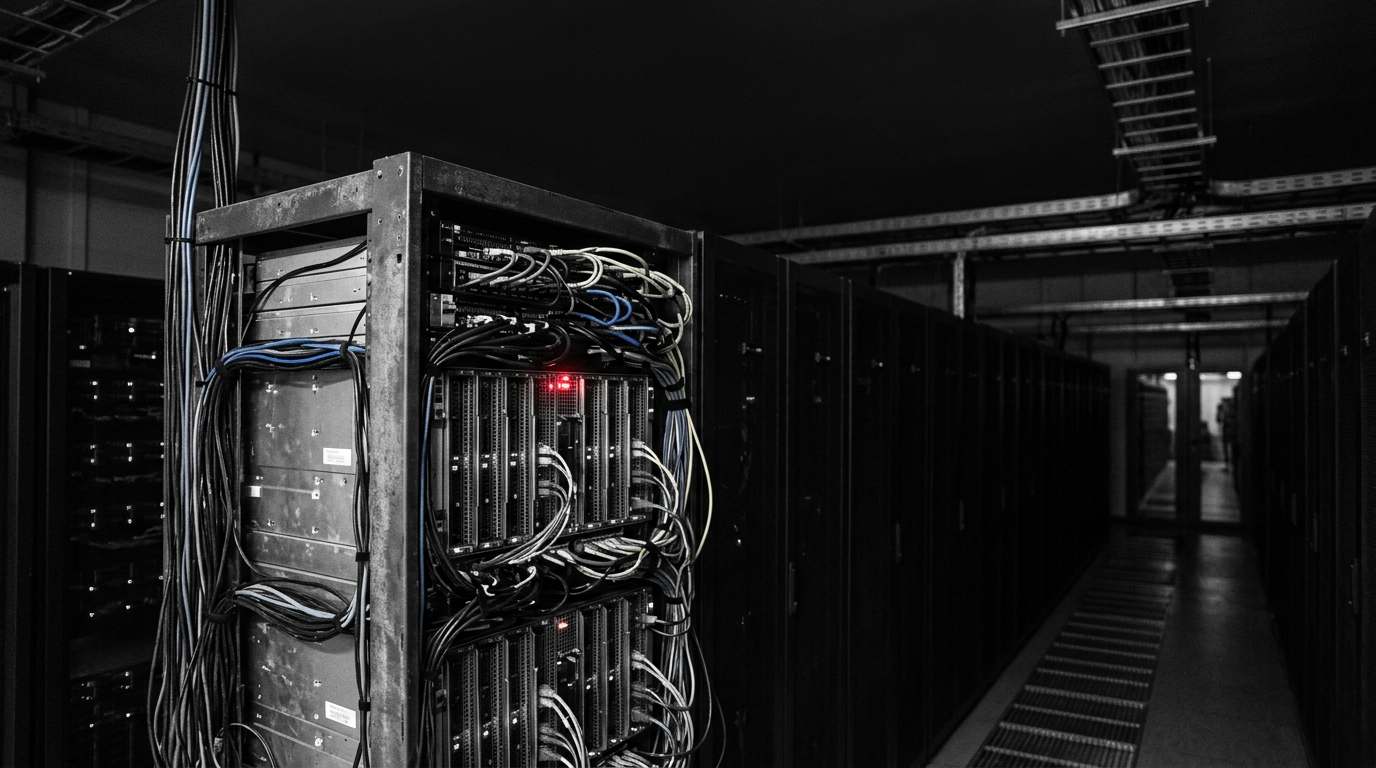
When a tech CFO scrutinizes the latest bond yields or reads about distant geopolitical friction, their mind isn't merely on quarterly forecasts. The shifting sands of global stability and the rising price of money are quietly reshaping how their firm buys server racks and powers data centers. These macro-level concerns now dictate a re-evaluation of where and how core compute assets are acquired and deployed.
The price action reflects shifts in the risk premium lenders and corporate treasurers assign to large-scale compute investments, beyond just discount rate changes. In other words, what looks like a market wobble is also a signal about how enterprise budgets for core infrastructure are being reset in real time as rates rise and geopolitical risk lingers.
The price of capital is the market signal The signal from Nasdaq-price dynamics translates quickly into budgeting language inside tech firms. Higher discount rates compress the present value of long-horizon projects, but the story isn’t only about cost of debt. It is about the price of capital for large-scale compute assets—regional data centers, on-prem clusters, and enduring equipment footprints—that compete with cloud-based capacity for mission-critical workloads.
If the macro backdrop keeps price of capital elevated, the calculus shifts toward owning compute, not just renting it, for strategic resilience. This is the essence of a second-order procurement effect, not a one-off market swing. The primary signal here is the cost and availability of capital for capital-intensive infrastructure, not the variability of a single quarterly earnings line.
Geopolitics and rate risk complicate supply chains
Geopolitical risk and rate expectations don’t merely tilt investor appetite; they reframe supply-chain rigidity. The Middle East dynamic raises the risk premium on energy and transportation, while higher rates raise the hurdle for funding new builds and upgrades.
In practical terms, a regional data-center build-out, power-purchase agreements, and long-term hardware commitments become more attractive when the lifetime cost of capital appears more certain than cloud-opex stacks that must be re-priced every year. This convergence of macro and geopolitical risk is what pushes a subset of tech buyers toward regionalized, purpose-built compute assets that can operate with a known cost structure even as external conditions shift.
The case for localized compute as a strategic hedge Cloud-only resilience remains a viable baseline for many enterprises; the literature shows cloud wallets remain flexible, and public cloud commitments often expand in uncertain times. Yet the macro mix—rising rates paired with geopolitical tension—creates a compelling reason to hedge with localized compute capabilities. A dedicated, regional compute footprint offers predictable capex-to-opex profiles, tighter control over supply chains, and faster reaction times to local regulatory and energy conditions. In other words, the macro shock isn’t just a narrative about discount rates; it’s a driver of a procurement pivot toward fixed, on-site or regional compute assets that reduce exposure to global capital-market gyrations.
Implications for the Next 12–18 Months
This shift does not predict an abrupt collapse of cloud adoption. Instead, it suggests a bifurcated trajectory: continued cloud use for variable, non-core workloads, paired with selective on-site or regional compute investments for workload-critical, cost-insensitive tasks.
Cloud-centric resilience remains an alternative for many enterprises; a wholesale shift to on-site compute is unlikely without significant cloud price-scale changes. If capital costs stay elevated or geopolitics keep supply chains tense, larger tech firms may accelerate regional builds, negotiate longer-term hardware contracts, and pursue hybrid models that lock in cost certainty while preserving cloud flexibility.
Observable signals in the coming quarter will reveal whether the procurement curve tilts toward fixed compute capacity or remains cloud-first. (1) Cloud-contract patterns from major enterprise customers showing stable or accelerating commitments for core infrastructure; (2) announcements of regional data-center expansions and power-purchase agreements tied to compute capacity, suggesting a capital-intensive tilt; and (3) credible signs that central banks pivot away from rate hiking expectations, reducing the cost of capital and easing supply-chain constraints.
A fourth signal would be a measurable change in capex-to-opex split for large tech firms, with a higher share allocated to fixed, regional compute assets. These signals will validate the second-order compute procurement shift or force a re-calibration toward cloud-centric resilience.
Observable Signals in the Coming Quarter
If the macro environment remains hostile to rapid debt-financing for large-scale compute, executives should expect to see early-stage regional buildouts and long-term hardware contracts surface in earnings calls and capex plans. If, by contrast, cloud pricing and credit conditions improve meaningfully, the shift toward localization may stall or retract. Either path will shape the cost structure of core tech workloads for years, not quarters.