Virginia Colleges Face Multiple Bomb Threats
Six Virginia colleges faced multiple bomb threats on March 13, 2026, leading to evacuations and investigations, though no devices were found.
Ayla Demirhan ·
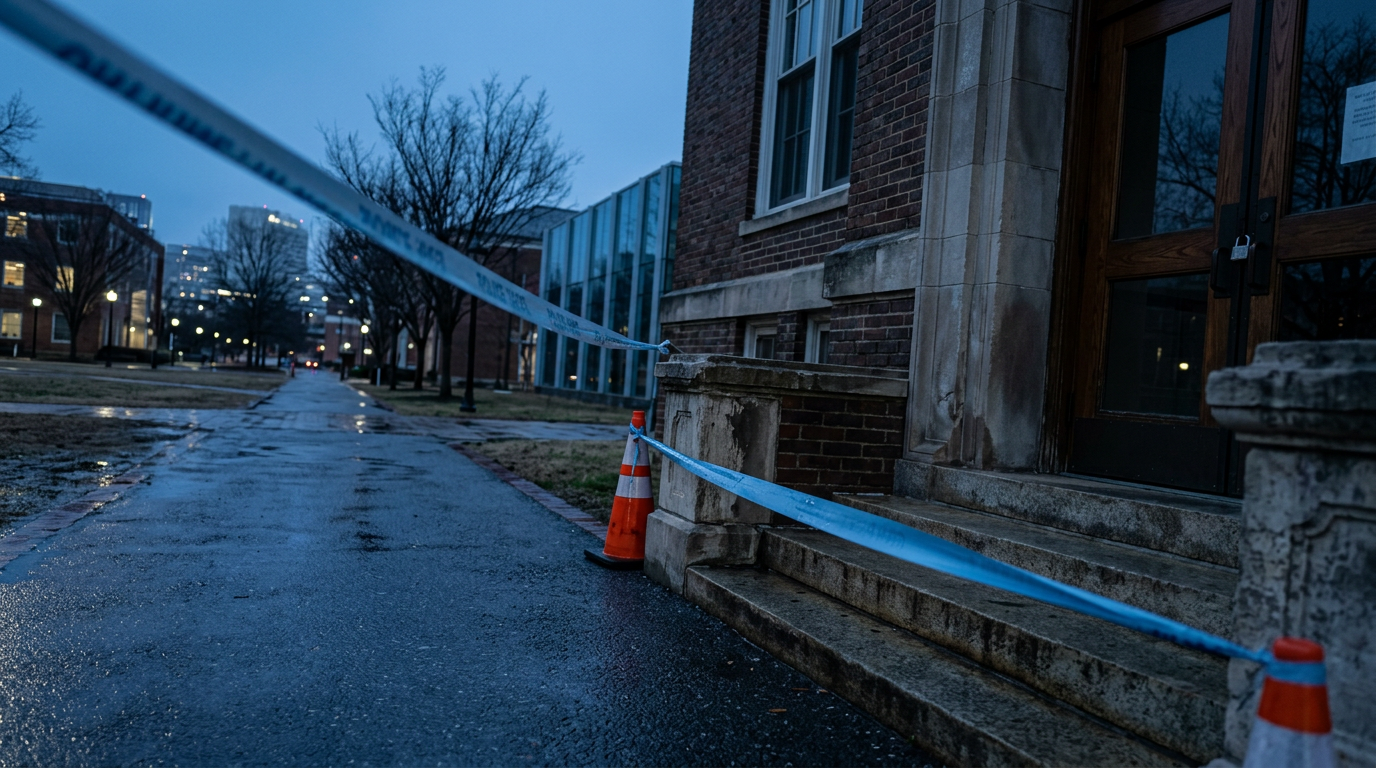
Six higher education institutions across Virginia experienced multiple bomb threats on Friday, March 13, 2026, prompting evacuations and extensive investigations. The affected campuses included the University of Virginia, Bridgewater College, George Mason University, Randolph–Macon College, Longwood University, and Shenandoah University. Authorities conducted thorough searches at each location, ultimately determining that all threats were unsubstantiated, with no explosive devices discovered.
These incidents occurred while many of the universities were observing spring break, potentially mitigating the number of individuals present on campus during the evacuations. Specific facilities, such as campus libraries, were frequently cited in the threats. For instance, Randolph-Macon College received an emailed threat that specifically targeted its McGraw-Page Library and two adjacent classroom buildings, necessitating their immediate clearance.
The timing of these threats followed a separate violent incident at Old Dominion University in Norfolk on Thursday, March 12, 2026. That event, a shooting, resulted in one fatality and two injuries, adding to a heightened sense of alert within the state's academic community.
Security Responses and Campus Protocols
University police departments and local law enforcement agencies coordinated responses to each threat. Standard protocols for such emergencies were activated, involving immediate building evacuations and systematic sweeps of the targeted areas. The rapid deployment of resources aimed to ensure the safety of students, faculty, and staff, even with reduced campus populations due to spring break.
Broader Context of Threats to Education
Bomb threats against educational institutions are not isolated occurrences. Similar patterns of threats have been observed previously, including a series of unspecified bomb threats directed at multiple Historically Black Colleges and Universities (HBCUs) in 2022. These recurring incidents underscore ongoing security challenges faced by higher education campuses nationwide.
Implications for Campus Security
The repeated nature of these threats, even when non-credible, places significant strain on university resources and can disrupt academic operations. Institutions are continually evaluating and updating their emergency response plans and security infrastructure to address evolving threats. The psychological impact on campus communities, particularly in the wake of recent violence, remains a critical concern for administrators.
Ongoing Investigations
Law enforcement agencies are actively investigating the origins of these threats. Identifying the individuals or groups responsible is a priority, as such actions constitute serious criminal offenses. The use of email and other digital communication methods in issuing these threats presents specific challenges for investigators in tracing their source and intent.
Implications
Country Impact: The incidents highlight persistent security challenges for educational institutions across the United States, prompting a review of emergency protocols and threat assessment strategies.
Industry Impact: Higher education institutions face increased pressure to enhance campus security measures, invest in threat detection technologies, and develop robust communication plans for emergencies.
Market Impact: While direct market impact is limited, sustained security concerns could influence enrollment trends, insurance costs for universities, and public perception of campus safety, potentially affecting long-term institutional stability.