Morocco Awarded Africa Cup of Nations Title
Morocco was awarded the Africa Cup of Nations title by CAF's Appeal Board after Senegal's team walked off during the final match.
Mehmet Şahinoğlu ·
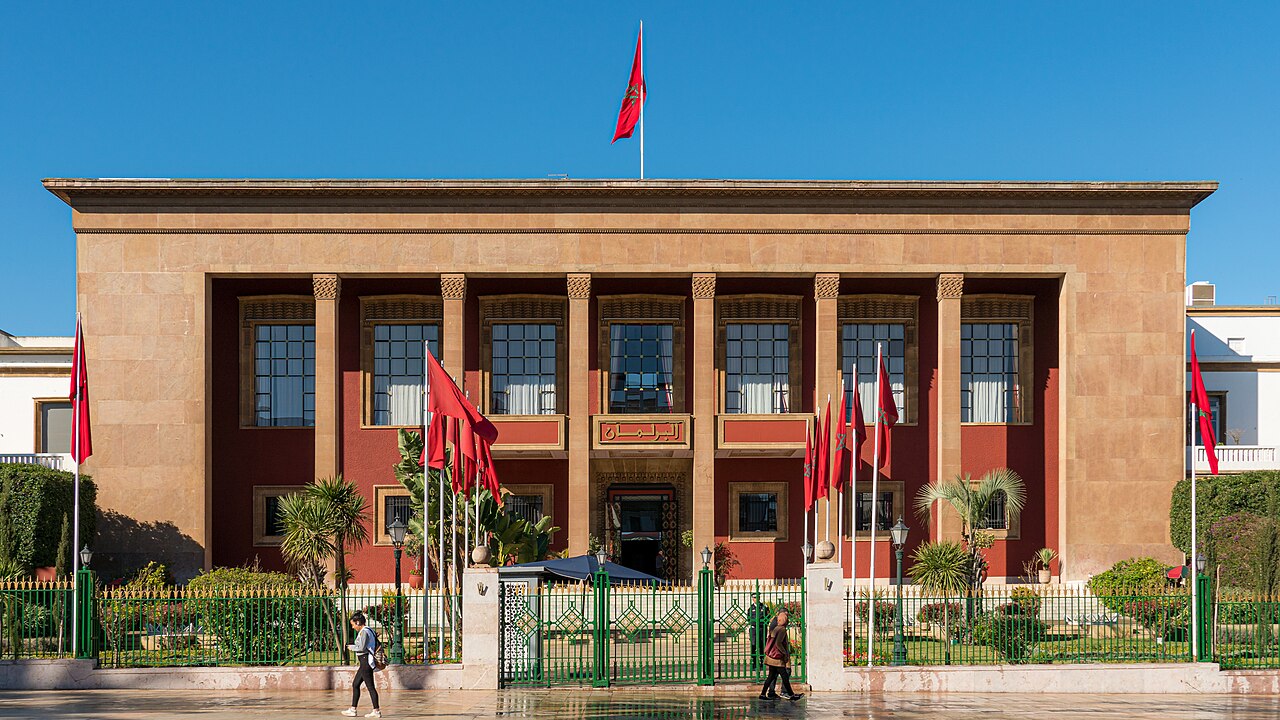
Morocco has been officially declared the champion of the Africa Cup of Nations, following a decision by the Confederation of African Football (CAF) Appeal Board. The ruling, issued on Tuesday, March 17, overturned the initial outcome of the final match against Senegal, which had taken place on January 18 in Rabat.
The CAF Appeal Board's decision was a result of Senegal's team walking off the field during the final. This incident occurred late in regulation time after a penalty was awarded against them. Although the Senegalese team eventually returned to play after a 14-minute protest and subsequently won the match in extra time, the Appeal Board determined that their actions constituted a forfeiture.
Regulatory Basis for the Decision
Under Articles 82 and 84 of the Africa Cup of Nations Regulations, a team that refuses to play or leaves the field without authorization is deemed to have lost the match and is eliminated from the competition. Consequently, the match was officially recorded as a 3-0 victory for Morocco, aligning with these established regulations.
This outcome grants Morocco its second Africa Cup of Nations title, marking a significant achievement five decades after their inaugural victory in the tournament. The decision has prompted Senegal to announce its intention to escalate the matter further by appealing to the Court of Arbitration for Sport.
Disciplinary Actions and Broader Context
The incident, including the walk-off and subsequent altercations, had previously drawn criticism for negatively impacting the reputation of African football. CAF also addressed other disciplinary matters related to the final. A fine imposed on Morocco's striker Ismael Saibari was reduced, as was a penalty against the Moroccan football federation.
However, a separate fine of $100,000 against Morocco for interference in the Video Assistant Referee (VAR) process was upheld. This broader context highlights ongoing challenges in maintaining fair play and adherence to regulations within continental football competitions. The dispute underscores the complexities of sports governance and the enforcement of rules in high-stakes international tournaments.
Implications for African Football Governance
The ruling by the CAF Appeal Board sets a precedent for how similar incidents of team walk-offs or refusals to play will be handled in future competitions. It reinforces the authority of CAF regulations regarding player conduct and team responsibilities during matches. The potential appeal to the Court of Arbitration for Sport indicates that the final resolution of this dispute may still be pending, with broader implications for the legal framework governing international sports.
This event also brings into focus the role of VAR technology and the procedures surrounding its implementation, particularly in critical match situations. The upheld fine against Morocco for VAR interference suggests a continued emphasis by CAF on maintaining the integrity of officiating processes.
Implications
Country Impact: The decision impacts Morocco's national pride and football standing, while Senegal faces a significant setback and potential further legal costs if they pursue an appeal to the Court of Arbitration for Sport. Both nations' football federations will need to manage the fallout domestically and internationally.
Industry Impact: The ruling highlights the strict enforcement of regulations within the football industry, particularly concerning team conduct and adherence to match rules. It could lead to increased scrutiny of player and team behavior in high-pressure situations during major tournaments.
Market Impact: While direct market impact is limited, the controversy could affect sponsorship deals and broadcast rights negotiations for future African football tournaments, as stakeholders assess the stability and integrity of the competition's governance. The incident may also influence betting markets related to African football, emphasizing regulatory risks.