Modernism in Washington: Office of Planning publishes new resource on mid‑century design
The District of Columbia Office of Planning released “Modernism in Washington,” an online resource examining the city’s mid‑century architectural legacy and…
Sophie McAlister ·
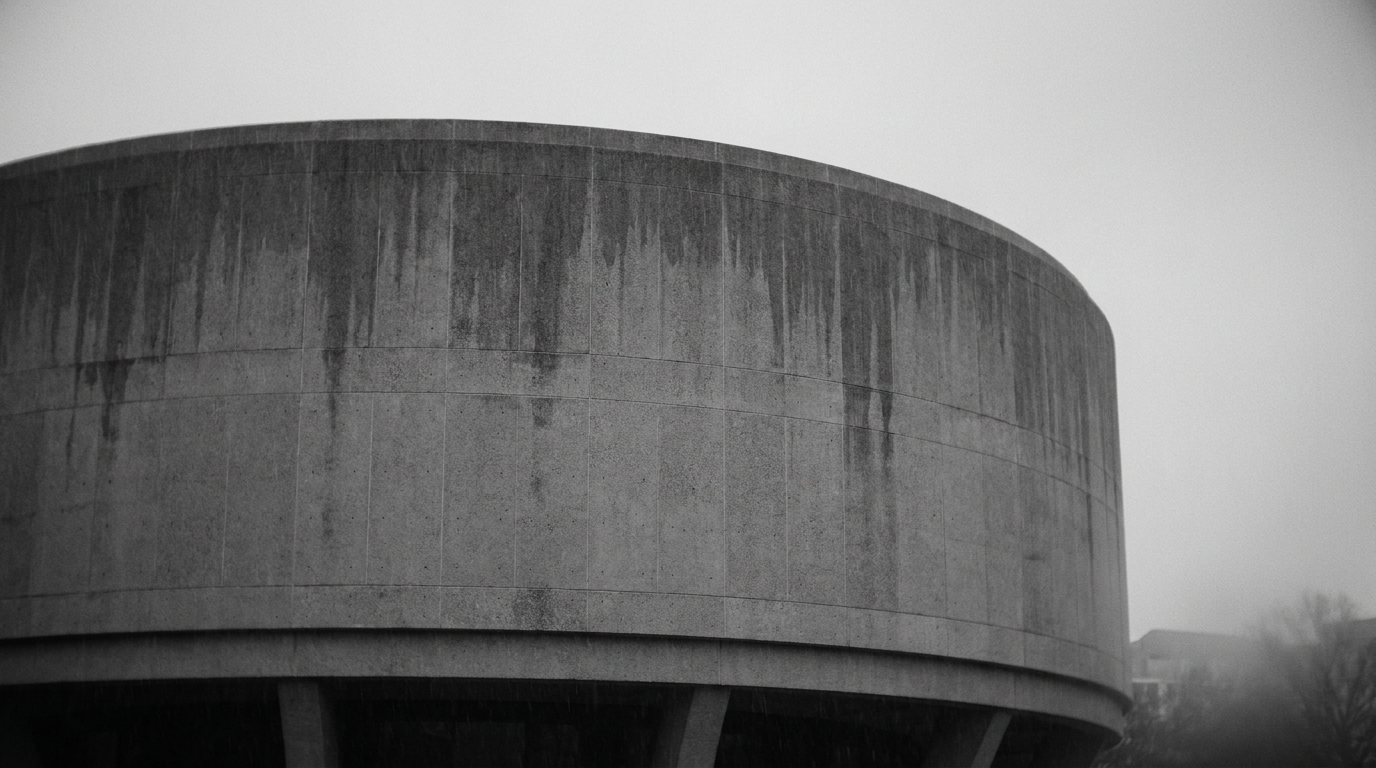
The District of Columbia Office of Planning published a new resource titled “Modernism in Washington” that surveys the city’s mid‑20th‑century architectural heritage and its ongoing role in local planning and preservation. The piece appears on the Office of Planning’s official website and is presented as a public resource for residents, planners, and preservation stakeholders.
The Office of Planning’s resource frames modernist architecture as a distinct layer of Washington’s built environment, tracing its presence in public buildings, commercial corridors, and residential complexes developed during the mid‑20th century. The piece highlights the stylistic and material features associated with modernist design and situates those buildings within the city’s evolving planning conversation.
Modernism and the city’s built fabric
The resource describes how modernist forms — including simplified massing, new construction techniques, and an emphasis on function — reshaped parts of Washington over several decades. It treats modernism as a city‑scale phenomenon, noting its footprint across multiple neighborhoods and building types rather than as isolated landmarks.
By cataloguing modernist examples and design themes, the Office provides a reference point for planners and preservationists assessing which mid‑century properties contribute to historic character and which may be vulnerable to redevelopment pressures.
Planning, preservation and policy trade‑offs
The Office of Planning positions modernist architecture as relevant to current regulatory and design decisions. The resource links architectural history to practical questions about zoning, adaptive reuse, and design review, underscoring the need to weigh preservation against density and change.
City officials and neighborhood advocates regularly confront these trade‑offs as properties age and development interest rises. A planning office resource that clarifies why modernist buildings matter can inform permit reviews, historic designation conversations, and public outreach around redevelopment proposals.
Practical elements of the resource include photographic examples and explanatory text aimed at helping non‑specialists recognize modernist features and the preservation issues they raise. The Office positions the material as a foundation for further study and for conversations between agencies, developers, and community groups.
Looking ahead, the Office of Planning’s resource is likely to be used in upcoming historic reviews and neighborhood planning efforts where mid‑century buildings are under consideration.