
Mojtaba Khamenei Assumes Iran's Supreme Leadership
Mojtaba Khamenei assumed Iran's Supreme Leadership on March 9, 2026, amid escalating US-Israeli military actions and rising oil prices.
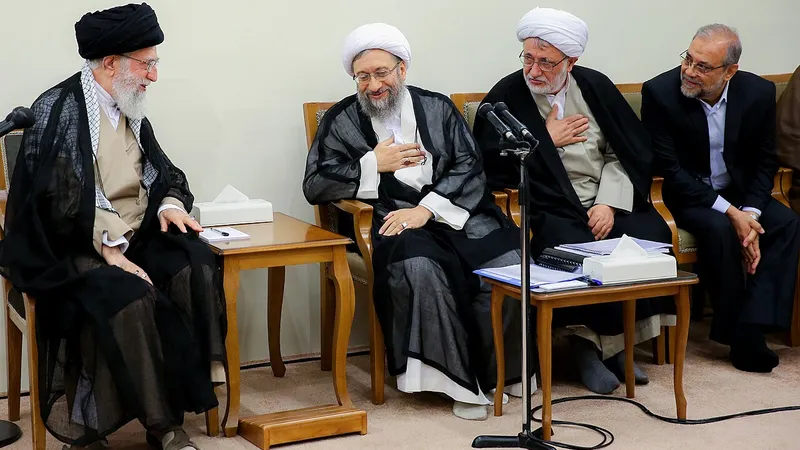
Mojtaba Khamenei has been appointed as Iran's new Supreme Leader, a transition confirmed by the Assembly of Experts on March 9, 2026. This succession follows the death of his father, Ayatollah Ali Khamenei, and occurs amid heightened military tensions in the Middle East involving Iran, the United States, and Israel.
This leadership change coincides with a significant escalation of military engagements across the region. Reports indicate Israeli military operations targeting central Iran and Hezbollah positions in Beirut. Concurrently, U.S. and Israeli forces conducted overnight strikes on five Iranian oil facilities situated near Tehran.
Regional Military Escalation
The broader conflict has seen a series of retaliatory actions and casualties. Israeli airstrikes in Lebanon have reportedly resulted in 394 fatalities. Separately, seven U.S. military personnel died from injuries sustained during an Iranian counter-attack. Furthermore, a U.S. attack on an Iranian warship off the coast of Sri Lanka led to 104 deaths.
Iran's foreign ministry has condemned the strikes on its energy infrastructure, labeling them a "dangerous new phase" and a war crime. These events underscore the volatile geopolitical landscape surrounding the leadership transition.
Economic Repercussions
The escalating conflict has had immediate economic consequences, particularly in global energy markets. Crude oil prices have surged past $100 per barrel, marking the first time they have reached this level since 2022. This price increase reflects market anxieties over supply disruptions and regional instability.
Former U.S. President Donald Trump commented on the oil price hike, suggesting it was a "small price to pay" for global security. He also issued a warning regarding the new Iranian leader, stating that U.S. approval would be necessary for his continued tenure.
Political Succession and Future Outlook
The Assembly of Experts, responsible for selecting the Supreme Leader, confirmed Mojtaba Khamenei's appointment. This body is tasked with overseeing the Supreme Leader's performance and, if necessary, removing him. The swift succession aims to maintain stability within Iran's political structure during a period of external pressure.
The transition of power in Iran, coupled with ongoing military actions and economic pressures, sets a complex stage for regional and international relations. The new leadership faces immediate challenges in managing both domestic stability and foreign policy amid an active conflict environment.
Implications
Country Impact: Iran's leadership transition during active conflict could lead to intensified internal political maneuvering and a more assertive foreign policy stance. Regional stability is likely to remain precarious, with potential for further military engagements.
Industry Impact: The energy sector faces significant volatility, with crude oil prices already exceeding $100 per barrel. Disruptions to oil production or shipping routes in the Middle East could lead to sustained price increases and impact global energy security.
Market Impact: Global financial markets are likely to react to geopolitical developments, particularly oil price fluctuations. Increased risk aversion could lead to shifts in investment towards safe-haven assets, while equities in energy-dependent economies may face downward pressure.
More stories
- Washington weighs a harder bargain for Israel’s next defense aid pact
- Turkey-Israel spat puts Washington’s Gaza diplomacy in a tighter corner
- Mashreq CEO Abdelaal joins 15-member Swift board
- Sudan strikes kill 112, rights group says
- Trump claims Ukraine-Russia energy ceasefire agreement
- Zelensky condemns US-Russia diesel deal as Putin gift
- Ukraine Offers Drone Defense Expertise to Middle East
- Japan Island Land Sales Raise Security Concerns
Latest news
- Zelensky seeks 60-day ceasefire after Trump claim
- Bandai Namco sets 2027 cross-play test for Sparking Zero
- Bangladesh MICS7 shows high lead in 38.5% of children
- Ticketory says six-month bookings exceed €550,000
- Deadlock’s Solomon hides 8-to-32 chess reload boards
- Merck KGaA tops MediciNova on 8 of 15 metrics