Metro backs Gold Line BRT over a new RFK Stadium Metrorail stop
WMATA plans a Gold Line rapid bus route & Stadium-Armory upgrade over a new Metrorail station at RFK, citing cost & crowd concerns.
Sophie McAlister ·
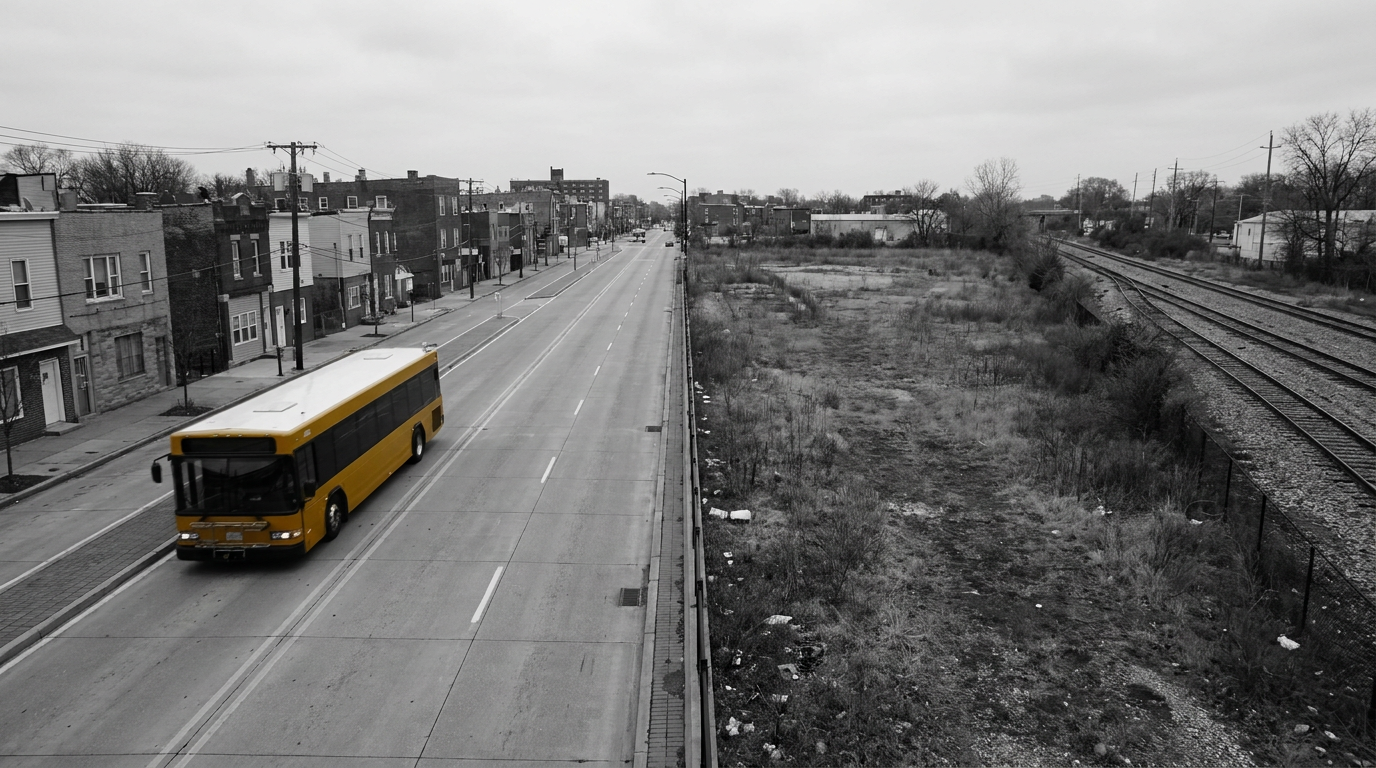
WMATA is not recommending construction of a new Metrorail station at the site of the Commanders’ planned stadium at RFK, according to agency planning documents released this week. Instead, the agency recommends a bus rapid transit corridor called the Gold Line to link the stadium area with Union Station and existing Metro and bus services.
The documents say the Gold Line would provide a faster, more flexible connection for event crowds and general transit users while avoiding the substantial cost and engineering challenges of building a new rail stop. WMATA also urged a set of major upgrades to the nearby Stadium‑Armory station to better handle spikes in ridership on event days.
Why WMATA prefers buses to a new rail station
Planners estimated that adding a new Metrorail station near RFK would carry a roughly $1 billion price tag and require complex construction in an already constrained rail corridor. The agency concluded that the expense and long timeline make a new rail station impractical compared with a high‑capacity bus option that can be deployed faster and at lower cost.
WMATA’s analysis models crowd movements for major events and warns that without targeted capacity improvements the transit system could face severe delays. One projection in the documents shows it could take more than two hours to clear large event crowds from the area if upgrades are not implemented.
Planned upgrades and network connections
The agency laid out several interventions aimed at reducing crowding and improving throughput. Those include platform and circulation improvements at Stadium‑Armory, enhanced bus‑to‑rail transfers, and operational changes timed to event schedules. The proposed Gold Line would connect directly with Union Station, offering transfer options to existing Metrorail lines and intercity rail services.
WMATA framed the Gold Line as part of a multimodal approach rather than a single fix: buses would handle much of the immediate event demand while station upgrades and system operations changes would distribute passenger flows more safely and predictably.
Local and regional leaders who will decide whether to adopt the recommendations will weigh costs, construction timelines, and the needs of neighbors, commuters, and visitors. Building a new rail station remains an option in long‑term planning scenarios but is treated as a high‑cost alternative in the near term.
Stakeholders also need to coordinate on how the Gold Line would be funded, who would operate it, and how it would integrate with WMATA’s existing bus network and regional bus partners.
WMATA’s recommendations come as the RFK redevelopment and the Commanders’ arrival continue to shape transit planning around the stadium site. The agency is pitching measures that aim to balance fiscal constraints with the operational demands of large sporting and entertainment events.
Watch for formal public briefings and agency board decisions in the coming months that will determine which of these proposals move into design and funding phases.