Meta to Unwind Manus Buy After Beijing Block
Meta may reverse its $2.5B acquisition of AI agent startup Manus after China blocked the deal on national-security grounds, ordering a full unwind.
Jason Kwon ·
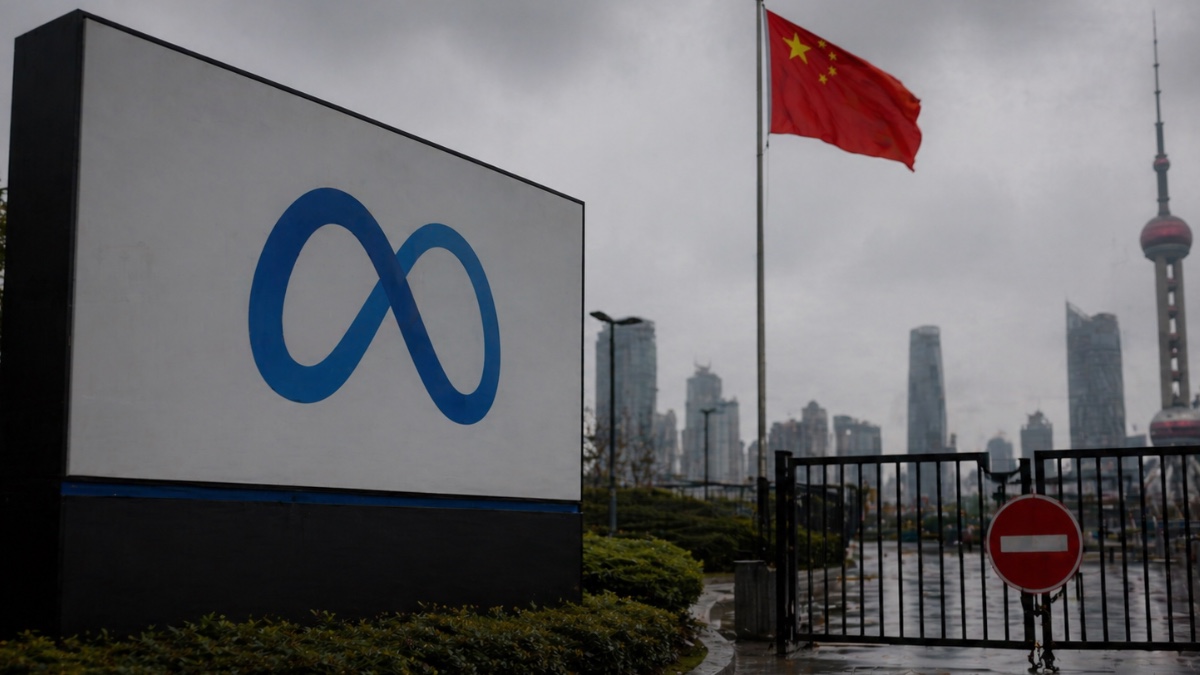
Meta Platforms is preparing to unwind its $2.5 billion acquisition of AI startup Manus after China blocked the deal Monday on national-security grounds, according to people familiar with the matter. The order came from China's National Development and Reform Commission, which gave Meta and Manus a preliminary window of several weeks to fully reverse the transaction. Beijing has also weighed penalties on both companies if the unwind falls short. The commission did not respond to a request for comment.
A Deal Already Wired Together
Meta closed the Manus purchase in December and moved fast to fold the startup's AI agent technology into its own products. That speed is now the central operational problem. Reversing the deal means pulling out integrated systems and stripping any transferred data or technology from Meta — a level of disentanglement that goes well beyond a paper unwind. The investor side adds another layer, since backers including California venture firm Benchmark have already collected their returns.
How Manus Ended Up in Two Jurisdictions
Manus traces back to Beijing Butterfly Effect Technology, founded in 2022 by Xiao Hong, whose engineers built the early product. A Singapore-based Butterfly Effect entity later took over the AI agent's operations outside China, and most China-based staff relocated to Singapore last summer after Benchmark invested. That cross-border architecture is exactly the structure Beijing began scrutinizing soon after the Meta deal was announced. In March, regulators summoned co-founders Xiao Hong and Ji Yichao for questioning and subsequently barred them from leaving the country pending the review.
Who Is Caught in the Reversal
Meta loses both the technology and the integration work already completed. Manus's Chinese-origin investors — Tencent, HSG, and ZhenFund among them — have signaled they will cooperate with an unwind, some of the people said. Benchmark, which has already been paid out, faces a more awkward position; the firm did not immediately respond to a request for comment. Xiao and Ji, still inside China and unable to travel, also did not respond.
Why This Lands Harder Than a Standard Block
Most cross-border deal vetoes happen before closing. This one happened after, with the technology already operating inside the buyer's stack and the cash already distributed to sellers. That sequencing turns a regulatory decision into an engineering and legal project, and it sets a template Beijing can use again. Chinese-origin AI firms with offshore holding structures — a common pattern over the past five years — now have to assume that nationality of code and founders can outrank corporate domicile when regulators decide to look.
Meta's China Exposure Beyond the Apps
Meta's apps remain blocked inside China, but Chinese advertisers targeting consumers abroad represent a meaningful slice of company revenue. That commercial dependency limits how publicly Meta can push back against the order, and it gives Beijing leverage that goes beyond the Manus file itself. The unwind is also a reminder that even Western tech companies with no consumer presence in China retain operational stakes there.
The Open Questions
The hardest issues are technical and legal: what counts as fully restoring Manus's Chinese assets to their original state, how Meta proves data has been stripped, and whether Benchmark's already-distributed proceeds can or must be clawed back. The penalty regime Beijing is considering, the status of Xiao and Ji, and whether other recent China-linked acquisitions face similar review will determine whether this is a one-off enforcement action or the start of a broader pattern.