Meta settlement sends DC up to $129 million for youth care
DC could receive up to $129 million from the Meta settlement as funds and new teen account limits target youth mental-health harms.
Sophie McAlister ·
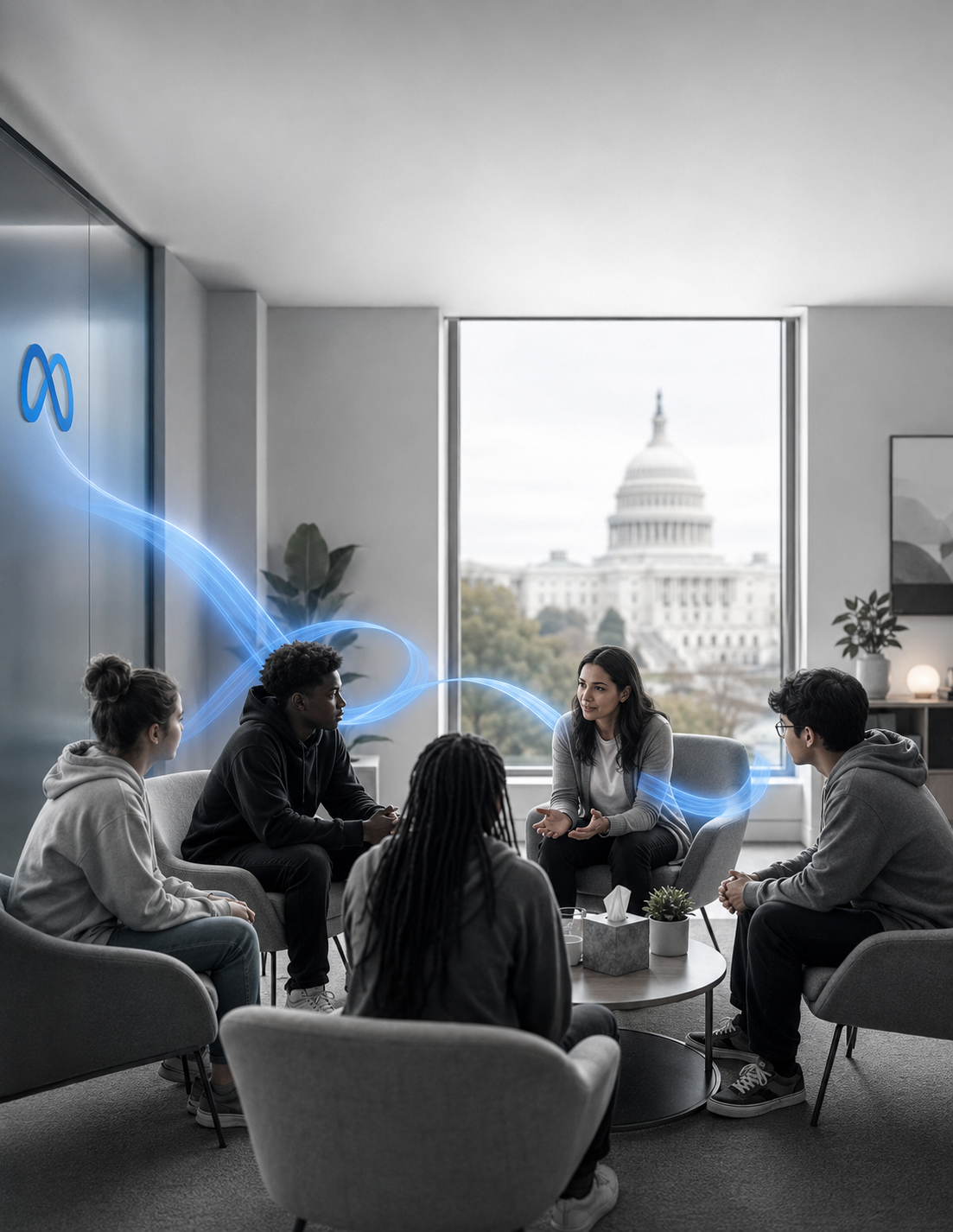
DC could receive up to $129 million from the Meta settlement for youth mental-health work as teen safeguards change nationally.
DC Attorney General Brian Schwalb announced the District’s share of a 51-state agreement under which Meta will pay at least $12.1 billion nationally. His office described it as the largest state consumer-protection settlement in US history outside the 1990s tobacco deals.
Schwalb frames youth victory
The District’s share would arrive over 10 years, with half reserved for abatement work. Schwalb called the agreement "A monumental public health victory for young people."
The earmark points the money toward mental-health support, suicide-hotline expansion, youth mental-health services and after-school programming. Those categories matter in DC because the settlement is not a general revenue award, at least on the terms announced by Schwalb.
Meta accepts teen account limits
The agreement also requires changes to how Meta manages young users on Instagram and Facebook. Under-18 users would be capped at two combined hours a day across the two platforms, according to the settlement terms described by Schwalb.
Teen access would be blocked from midnight to 6 a.m., and notifications would be limited during school hours. Young users would also be able to choose a chronological feed instead of an algorithmic one, while visible like counts would be removed for children.
Those operating requirements make the case more than a payment dispute. For Meta, the settlement attaches compliance obligations to product design choices that attorneys general tied to youth wellbeing.
Opioid funds shape scrutiny
The District’s next test is how the money is budgeted once it reaches city accounts. DC is already holding more than $100 million in opioid settlement money, and critics have accused officials of supplantation: using settlement dollars for costs previously covered by the general fund.
That fight has focused on the FY2027 budget, which directs $2.3 million of opioid settlement money toward Medicaid and $5.5 million to treatment centers already funded through the general fund. More than 80 people and 30 organizations formally objected to that approach.
No similar proposal has been made for the Meta settlement money. The opioid dispute still gives council members, advocates and families a template for the questions likely to follow any youth mental-health spending plan.
Two paths for settlement cash
If DC uses the Meta funds to add services, the mechanism is straightforward: settlement dollars would expand hotlines, counseling capacity or after-school programs beyond current appropriations. That would leave Meta paying into a youth-health response while the social-media industry faces a clearer model for product restrictions tied to public-health claims.
If the District instead uses the funds to cover work already in the budget, the practical effect would be different. Youth services might continue, but general-fund dollars could be freed for other priorities, renewing the same budget fight now attached to opioid money.
The national implications turn on compliance and imitation. If the account limits hold across states, Meta’s costs include both the $12.1 billion payment and the operational burden of enforcing time caps, overnight blocks and school-hour notification limits.
For the wider platform sector, the settlement gives state attorneys general a tested route for pairing consumer-protection claims with design rules. The open question in Washington is whether DC treats its $129 million share as new capacity for young people or as another flexible budget stream.