Meta Enhances Smart Glasses Privacy Amid Legal Scrutiny
Meta has updated its smart glasses to disable recording if the indicator light is obscured, aiming to boost privacy as it faces EU investigations and a US…
Atlas Newsdesk ·
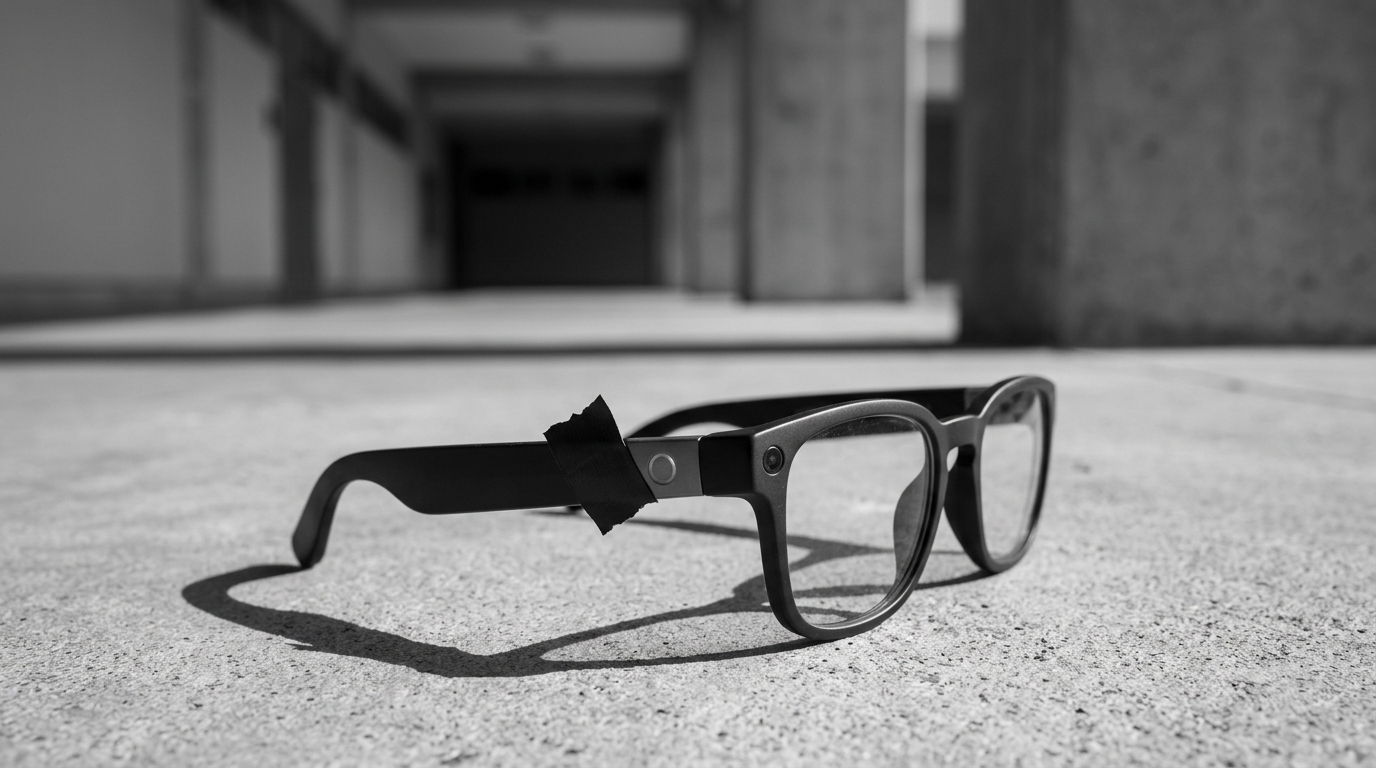
Meta has rolled out a software update for its smart glasses, introducing an enhanced privacy feature that automatically deactivates the camera if the recording indicator light is obstructed. This technical safeguard aims to prevent discreet recordings by ensuring that the visual cue for active recording remains visible to others throughout any capture process. Previously, users could initiate recording and then cover the LED indicator, making it difficult for bystanders to know they were being recorded. The new update directly addresses this vulnerability, reinforcing the device's privacy safeguards.
Despite these technological improvements, Meta continues to navigate significant regulatory and legal challenges concerning the privacy implications of its wearable technology. Authorities within the European Union are actively investigating these devices to ensure they comply with stringent data protection regulations.
European Regulatory Landscape
Reports indicate that officials in Germany are currently evaluating a potential ban on Meta's smart glasses. Primary concerns among European regulators center on the risk of nonconsensual surveillance and whether the devices fully adhere to regional privacy statutes, such as the General Data Protection Regulation (GDPR). These actions highlight a broader international focus on how emerging wearable technologies manage user data and operate in public spaces, particularly regarding informed consent and data transparency.
The push for stricter oversight reflects a growing global sentiment towards protecting individual privacy in an era of ubiquitous personal devices. Regulators are examining whether the current design and operational principles of these smart glasses adequately safeguard the privacy rights of individuals who may be inadvertently recorded.
US Legal Proceedings Unfold
Concurrently, Meta is confronting a pending class-action lawsuit in the United States. This litigation alleges that the company engaged in misleading marketing practices regarding user privacy. The lawsuit specifically claims that footage captured by the smart glasses is subsequently reviewed by human annotators for artificial intelligence training purposes, without the explicit knowledge or consent of the individuals recorded.
Such ongoing legal and regulatory developments could lead to more stringent oversight globally and potentially significant financial liabilities for Meta's hardware division. The continuous investigations and legal proceedings underscore the intricate balance between technological innovation and individual privacy rights within the rapidly evolving landscape of consumer wearable electronics.
Impact on Wearable Technology Market
The privacy and legal challenges confronting Meta's smart glasses are expected to significantly influence the broader market for augmented reality (AR) and other wearable devices. Other technology firms currently developing similar products are likely closely monitoring these events to understand potential regulatory obstacles and evolving consumer privacy expectations. The outcomes of these cases could establish crucial precedents for how future wearable technologies are designed, marketed, and deployed.
Key areas of impact include greater transparency in data collection practices and the implementation of more robust user consent mechanisms. This increased scrutiny may lead to industry-wide shifts towards more explicit privacy features and clearer communication with users about data usage, potentially reshaping product development and consumer trust in the sector.