Meloni Asks EU Commission for Energy Crisis Budget Aid
Italy's Prime Minister Giorgia Meloni has urged the European Commission to grant flexibility within EU budget rules to mitigate escalating energy costs.
Atlas Newsdesk ·
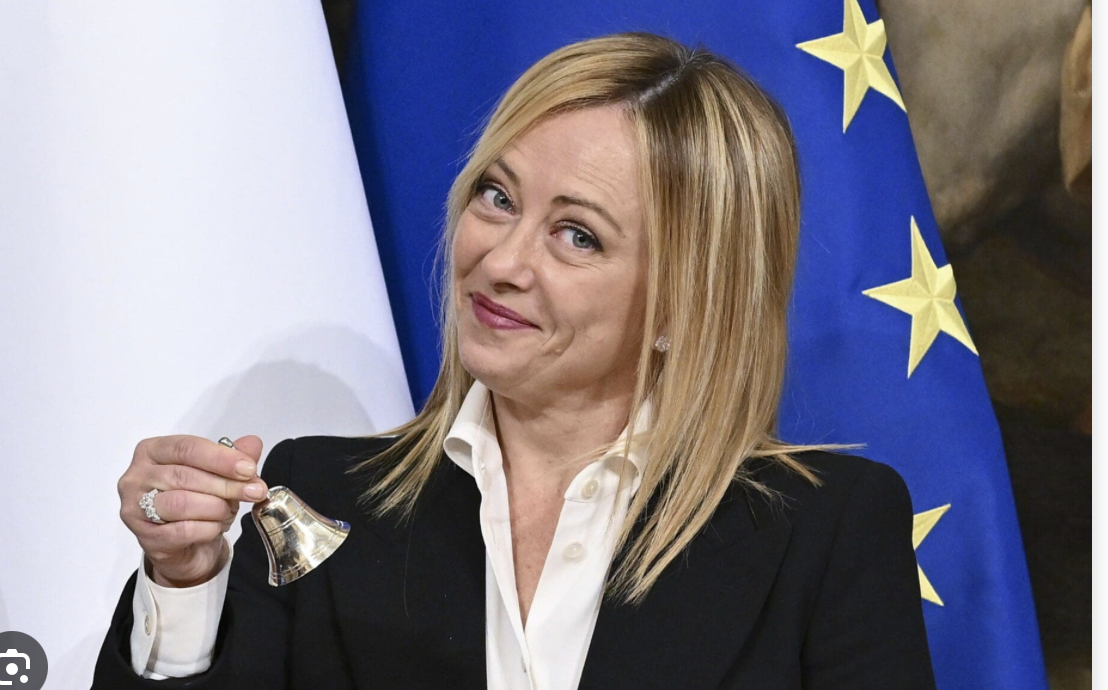
Italian Prime Minister Giorgia Meloni has formally requested increased flexibility from the European Commission regarding EU budget rules, specifically to address the persistent challenge of soaring energy expenses. The plea is centered on accommodating extraordinary measures and investments designed to combat the ongoing energy crisis within the bloc's fiscal framework.
Seeking a Safeguard Clause Expansion
In a letter addressed to European Commission President Ursula von der Leyen, obtained by Bloomberg, Meloni outlined Italy's desire to utilize the 'national safeguard clause'. This clause is typically reserved for exceptional circumstances, most notably to facilitate increased defense spending among member states without contravening standard fiscal regulations.
The inclusion of energy crisis measures under this clause would allow Italy to implement broader fiscal responses. Such a move could potentially lead to disagreements with the Commission, which has already proposed various mechanisms for member states to tackle the energy crisis, none of which explicitly involve invoking the safeguard clause for this purpose.
Financial Implications and Domestic Pressures
According to reports from Corriere della Sera, Italy's request pertains to measures potentially amounting to 1.5% of the nation's gross domestic product. The government is specifically seeking additional financial resources to sustain initiatives such as the reduction of fuel taxes, which currently cost approximately €1 billion monthly and are set to expire on May 22.
The urgency behind Italy's request is underscored by looming domestic pressures. A coalition of truck drivers has announced plans for a five-day strike commencing on May 25, indicating potential disruptions linked to fuel costs and broader economic concerns stemming from the energy crisis.
This request highlights a growing tension between national governments aiming to shield their economies and citizens from external shocks and the EU's overarching objectives of fiscal stability and coordinated policy. The Commission's response will likely set a precedent for how member states can navigate similar crises in the future under the existing and potentially amended EU fiscal framework.
The outcome of Meloni's appeal could influence the fiscal capacity of other EU nations facing similar energy-related economic strains. The Commission's decision will weigh the need for immediate national relief against the principles of long-term fiscal discipline that underpin the Stability and Growth Pact.