Ukraine Drones Hit Russian Infrastructure
Ukraine's drone forces are conducting extensive long-range strikes on Russian infrastructure, aiming to disrupt military and economic capabilities.
Lauren Collins ·
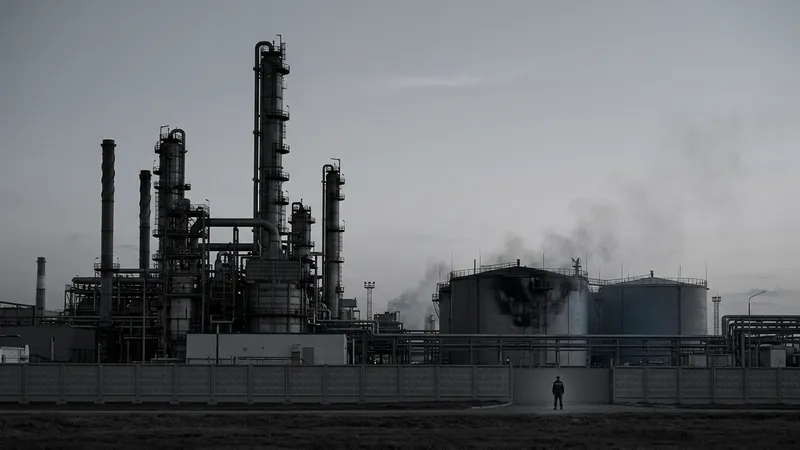
Ukraine Intensifies Long-Range Drone Attacks on Russian Targets Ukrainian Unmanned Systems Forces, led by Robert Brovdi, have escalated long-range drone attacks against Russian infrastructure, impacting oil refineries, ports, and military facilities. These operations, conducted by units such as the 414th brigade, extend up to 1,250 miles (2,000 km) into Russian territory, challenging Russian air defenses and affecting economic and military capabilities.
The increased drone activity has coincided with Russia's decision to forgo displaying military hardware in its annual Victory Day parade in Moscow, a move attributed by some to security concerns regarding potential Ukrainian attacks.
The drone strikes have targeted critical Russian assets, including the Black Sea oil terminal at Tuapse, which was reportedly hit four times in two weeks, and similar facilities in the Baltic ports of Primorsk and Ust-Luga. Additionally, drones have reached targets as far as the Urals, striking an oil refinery in Perm and fighter jets in Chelyabinsk, approximately 1,050 miles from the front lines.
These attacks aim to disrupt Russia's energy sector and military production, which Brovdi estimates contributes significantly to Russia's $530 billion annual defense budget.
The strategic objective of these drone operations is to inflict economic damage and degrade Russia's military capacity. Brovdi's unit maintains detailed records of drone sorties and claimed enemy losses, including personnel and equipment.
Ukraine asserts that Russian military casualties have exceeded recruitment rates for five consecutive months, with 30,000 to 34,000 monthly losses, impacting Russia's offensive potential. The ongoing drone campaign represents a significant component of Ukraine's defensive strategy, focusing on targets beyond the immediate front lines.