Markets test US-Iran ceasefire as LNG caution grows in Gulf
US-Iran ceasefire doubts are pressuring LNG plans, shipping confidence and energy markets as Qatar delays a production ramp-up.
Atlas Newsdesk ·
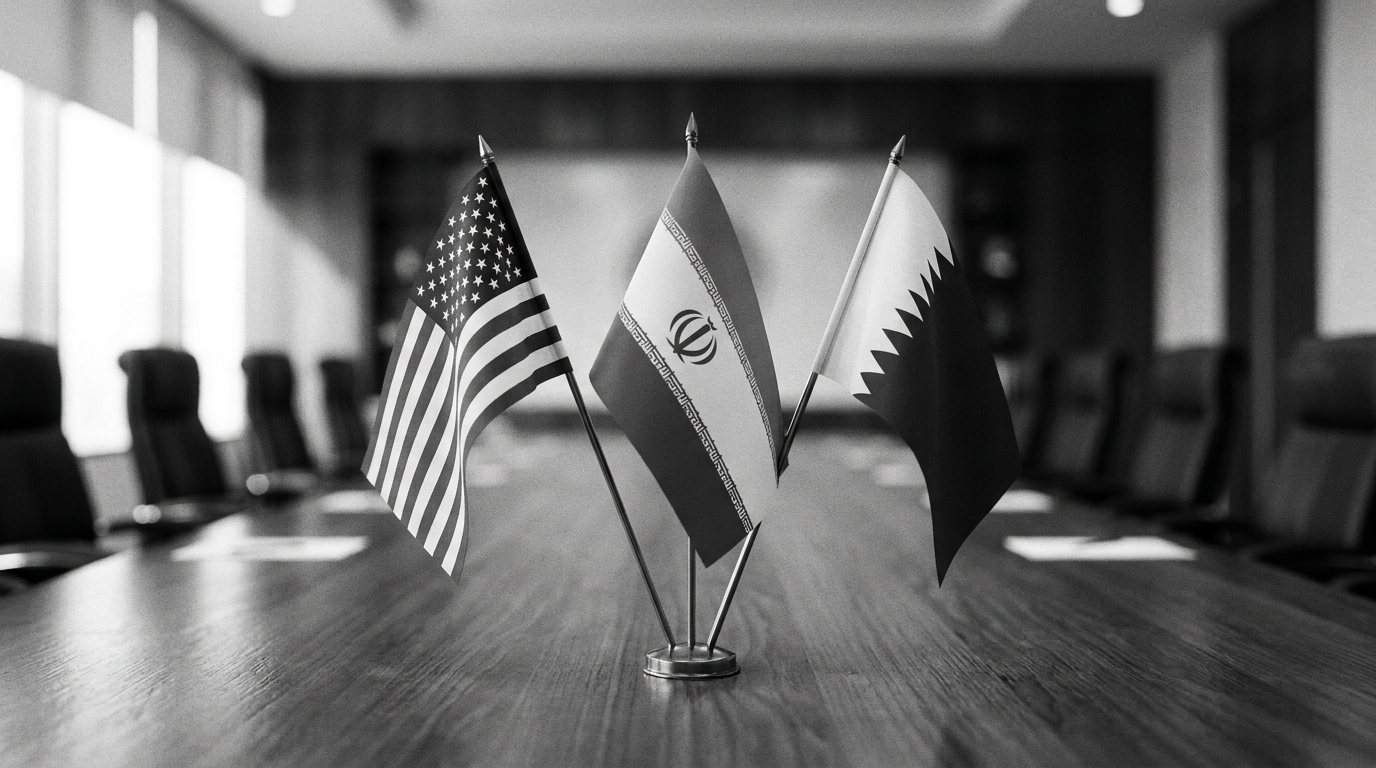
US-Iran ceasefire doubts are reviving Gulf shipping risk as Qatar delays LNG expansion and investors rethink the post-truce rally.
The shift matters because the earlier market response assumed the conflict was contained. The supplied report says investors and energy companies are now preparing for a longer period of instability in the Middle East rather than a quick return to normal.
Qatar slows LNG plans
Qatar is delaying plans to increase LNG production after attacks on vessels near the Strait of Hormuz revived concern about moving cargoes through the waterway, according to the source material. The pause signals that the energy sector is treating the ceasefire as fragile, not as a settled reduction in regional risk.
For LNG buyers, the immediate issue is reliability rather than only price. If producers, shipowners or insurers see the route as more dangerous, supply commitments can become harder to schedule even before any physical shortage appears.
Qatar’s decision is also important because LNG projects depend on confidence in long shipping chains. A delay in ramping production can affect contract timing, vessel allocation and customer planning across markets that rely on seaborne gas.
Hormuz risk returns to pricing
The Strait of Hormuz has become the focal point because the reported attacks occurred near the waterway and raised fears about shipping through it. The source does not provide details on the vessels, the attackers or the timing, so those questions remain open.
Investors had moved quickly into a risk-on trade after the truce, with the supplied material saying markets around the world had reached record levels during the earlier rally. That optimism is now being reassessed as traders price the chance that political and military risk could again interfere with energy flows.
Energy analysts cited in the source warned that strained US oil stockpiles "are far from prepared" for a ceasefire breakdown. The warning points to a central vulnerability: inventories are the first cushion when supply routes are threatened, and a thin cushion can turn shipping disruption into a broader market problem.
Investors confront a thinner cushion
The market reset is not only about one ceasefire. It reflects a broader problem for energy companies and portfolio managers: geopolitical risk can fade from prices quickly, then return faster than corporate planning cycles can adjust.
For Qatar, the direct effect is caution around LNG expansion. For the wider energy sector, the effect is a renewed focus on insurance costs, shipping security and the reliability of Gulf-linked supply chains.
The global macro channel runs through energy costs and confidence. If traders believe disruption risks are rising, oil and gas markets can transmit that pressure into inflation expectations, corporate margins and central bank calculations, even without a verified change in physical supply.
One scenario is that the ceasefire holds and shipping confidence slowly recovers. In that case, global markets would likely treat energy risk as contained, Qatar could revisit its production ramp-up, and LNG companies would have more room to plan cargoes and investment around normal commercial terms.
A second scenario is a tense but contained ceasefire, with sporadic incidents near Hormuz but no full breakdown. That would keep a risk premium attached to Gulf shipping, leave Qatar cautious on timing, and push the wider industry to spend more attention on routing, insurance and contract flexibility.
A third scenario is a collapse of the truce. If that happens, the mechanism would be direct: vessel risk would raise shipping uncertainty, strained US stockpiles would offer less protection, Qatar’s LNG expansion plans could stay delayed, and global energy markets would face a sharper test of supply resilience.
The key unresolved questions are specific and material: whether the ceasefire can be sustained, whether vessel attacks continue near Hormuz, and whether energy inventories can absorb another shock. Until those answers are clearer, the post-truce rally will remain exposed to the next headline from the Gulf.