Malaysia weighs Sepang F1 bid amid Middle East risks
Malaysia weighs Sepang as an F1 replacement as Bahrain’s October race faces likely cancellation; a late-season decision is due by mid-September.
Mehmet Şahinoğlu ·
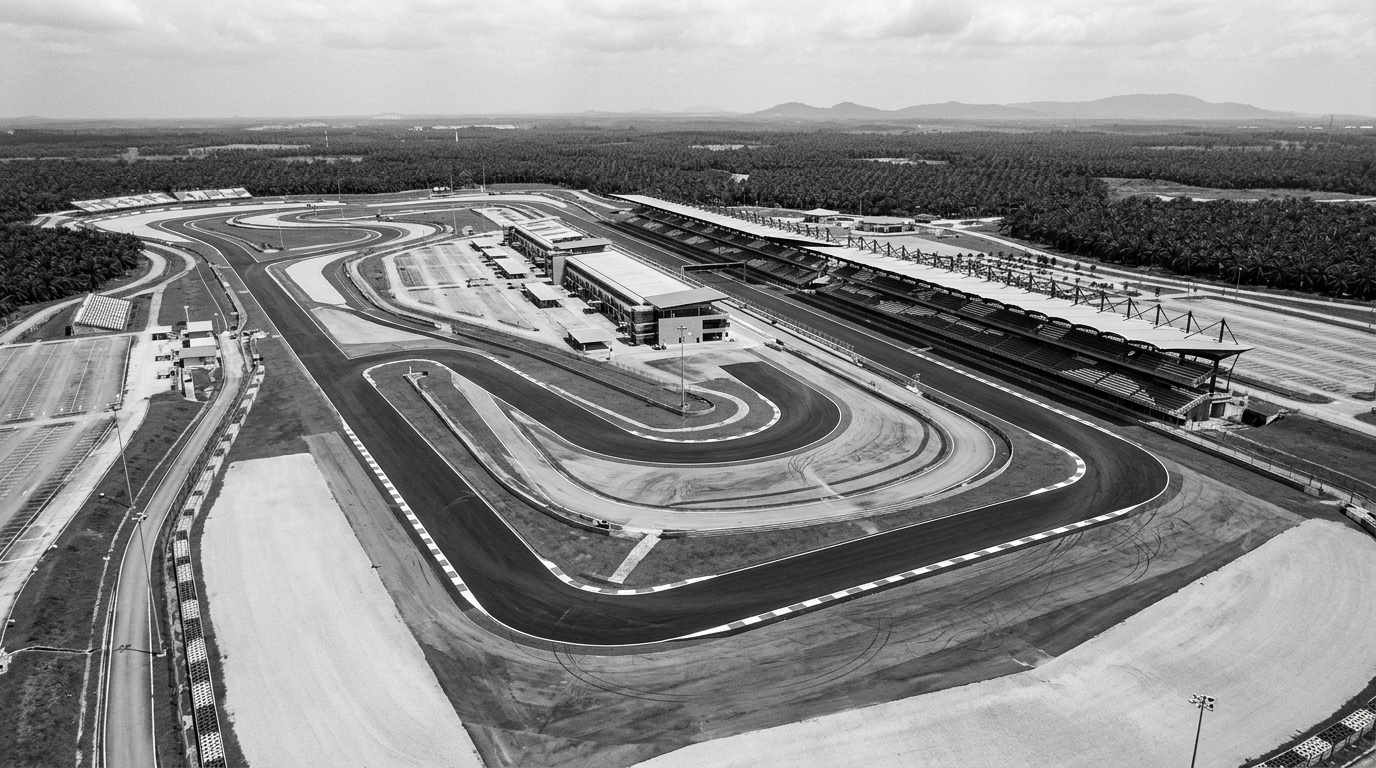
Malaysia’s government is carrying out a feasibility study on bringing a Formula 1 Grand Prix back to the Sepang International Circuit, as Formula 1 management reviews alternatives for a late-season race slot threatened by security concerns in the Middle East.
The review comes as the Bahrain Grand Prix, scheduled for October, is described as likely to be cancelled because of ongoing regional conflict and related safety risks. Officials are now assessing whether Sepang could step in as a replacement venue for that October date.
Sepang assessed as a potential October replacement
Formula 1 management has provided Malaysian authorities with logistical requirements to guide the assessment. The aim is to determine whether Sepang can meet operational and regulatory expectations in time to host a Grand Prix on short notice.
Sepang already stages MotoGP, but officials involved in the assessment say moving from motorcycle racing to Formula 1 at speed would require upgrades to meet Formula 1 standards. The compressed timeline is central to the challenge, with the work framed as a major operational task rather than a routine switch.
Broader late-season contingency plans under review
Formula 1 management is also looking beyond Bahrain, reviewing contingency options for the remainder of the 2026 season in case disruption spreads to other rounds in the region. The evaluation includes the possibility of shifting races to European venues if the Qatar and Abu Dhabi events are affected.
Grand Prix
A final decision on the late-season calendar is expected by mid-September, according to the information provided. That timing sets the deadline for Malaysia’s feasibility work and for any necessary preparations if Sepang is selected.
Geopolitical instability forces schedule resilience
The planning reflects broader institutional efforts by international sports bodies to limit the impact of geopolitical instability on major events and fixed calendars. With race weekends tied to complex global logistics, schedule changes can cascade into freight planning, staffing, and venue readiness requirements.
Within that context, officials describe the potential return of the Malaysian Grand Prix as a strategic hedge against further volatility in the Middle East. The study is positioned as a practical response to uncertainty rather than a definitive commitment, with the feasibility outcome and Formula 1’s calendar decision still pending.
Implications
Country Impact: If Sepang is deemed viable, Malaysia could become a late-notice host for an October Formula 1 race, subject to a final calendar decision expected by mid-September. The feasibility study underscores the operational demands of aligning venue capabilities with Formula 1’s logistical requirements under a tight timeline.
Industry Impact: The situation highlights how international sporting calendars increasingly require contingency planning when events are exposed to security risks. For Formula 1 and track operators, meeting technical and operational standards on short notice can require rapid upgrades and intensive coordination.
Market Impact: Any calendar reshuffle would require adjustments across Formula 1’s travel and freight planning, with European venues cited as alternative options if Qatar and Abu Dhabi are disrupted. Uncertainty remains until mid-September, leaving teams and organizers awaiting confirmation of the late-season schedule.