U.S. AI Data Centers Face Drought Concerns
Most new U.S. AI data centers are planned for drought-hit areas, increasing water demand amid record dry conditions.
Lauren Collins ·
U.S. AI Data Centers Face Drought Concerns
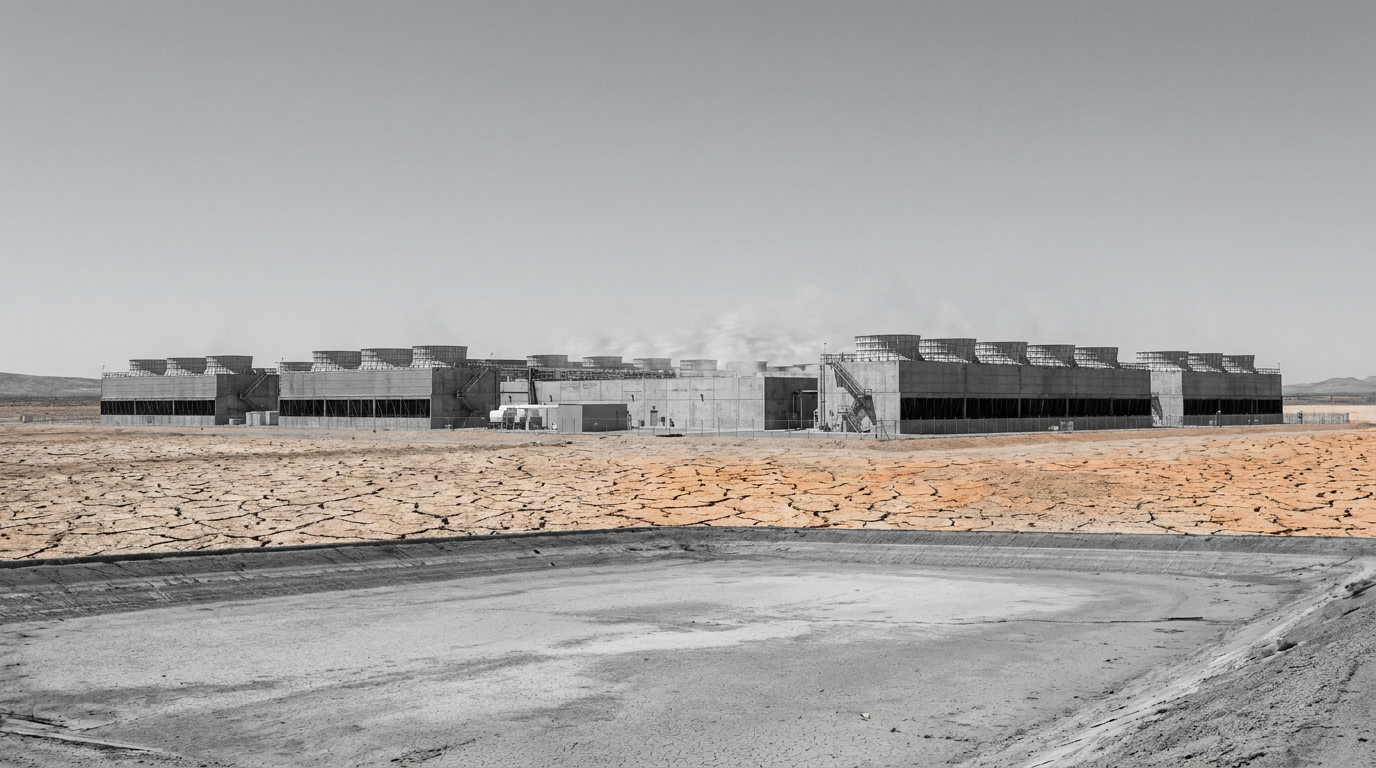
A majority of new artificial intelligence (AI) data centers in the United States are planned for construction in drought-affected regions, according to a recent analysis. This development raises concerns about water resource strain, particularly as these facilities require substantial water for cooling operations. Approximately two-thirds of 809 planned data centers, totaling 517 facilities, are slated for locations that have experienced drought conditions over the past year.
The expansion of AI infrastructure is projected to significantly increase water demand. Data centers are estimated to require up to 5 million gallons of water daily, equivalent to the consumption of 50,000 people. Overall, U.S. data centers are forecast to demand 73 billion gallons of water annually by 2028, a substantial increase from 17 billion gallons in 2023. This escalating demand occurs as over 60% of the contiguous U.S. is currently experiencing varying stages of drought, marking the largest spring drought expanse on record.
Developers are often drawn to arid, sparsely populated areas due to lower land costs and tax incentives. For example, a large data center complex was recently approved in a Utah county experiencing prolonged drought. Similarly, planned Amazon data centers in Walla Walla County, Washington, and new facilities in Pecos and Carson counties, Texas, are situated in drought-stricken areas. Researchers estimate data centers could account for 9% of Texas's total water use by 2040, intensifying existing water supply challenges.