World No. 114 Chwalińska reaches French Open final, lowest-ranked of Open Era
Polish qualifier Maja Chwalińska, ranked 114th, reached the French Open final, becoming the lowest-ranked finalist in the Open Era.
Mehmet Şahinoğlu ·
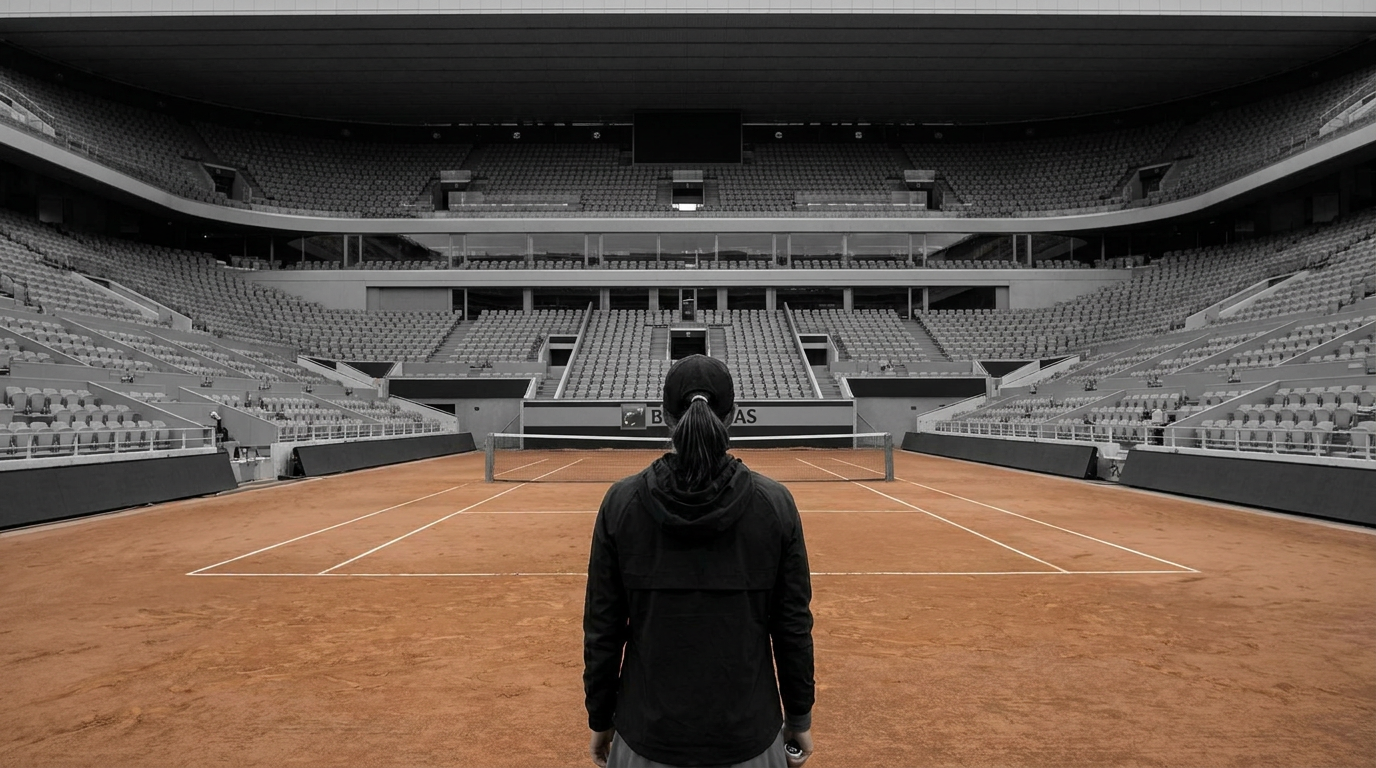
Polish qualifier Maja Chwalińska reached the French Open women’s singles final in Paris on Thursday, June 4, 2026, defeating Diana Shnaider 7-6(4), 6-4. The world No. 114 advanced to her first Grand Slam final in her Roland Garros main‑draw debut. The result extends her winning streak at the event to nine matches, including three in qualifying. It also makes her the lowest‑ranked French Open finalist of the Open Era.
Chwalińska had already upset No. 22 seed Anna Kalinskaya 7-6(3), 6-3 in the quarterfinals, continuing a remarkable run that began in qualifying. Her surge has transformed the trajectory of her season and career. According to tour figures, her prize money before Paris totaled $864,030; her results at Roland Garros have added $1,624,000 so far. For a player whose main‑draw opportunities at majors have been limited, the leap underscores how quickly fortunes can change over two weeks in Paris.
The 24‑year‑old has combined consistency with composure under the brightest spotlight of her career. Her variety and court craft have posed different questions for opponents unfamiliar with her rhythm, allowing her to navigate tight sets and protect leads against higher‑ranked players. The qualifier tag has not limited her ambition; momentum from three wins in the preliminary rounds carried into the main draw and through to the title match.
Qualifier’s nine‑match surge to the final
Wins over seeds and rising contenders
Chwalińska’s path featured straight‑sets victories in the business end of the tournament, topped by the semifinal win over Shnaider, who had eliminated Aryna Sabalenka earlier in the event. Before that, she outplayed Kalinskaya in two sets, sealing the opener in a tiebreak to reach the last four.
Earlier rounds included notable scalps such as Zheng Qinwen, No. 23 seed Elise Mertens, 2021 semifinalist Maria Sakkari and home hope Diane Parry, underlining how her form has held against contrasting styles.
Across this stretch, she has handled momentum swings with patience, leaning on point construction and a willingness to extend rallies. The result has been a steady accumulation of key points—particularly in tiebreaks—without the lapses that often burden first‑time visitors to the latter stages at majors.
Breakthrough built on resilience and craft
Composure, variety and hard‑earned belief
Chwalińska’s rise in Paris follows a stop‑start early career shaped by injuries and a period away from the sport to manage her mental health. She underwent knee surgery in 2022 and had claimed only one previous Grand Slam main‑draw victory—at Wimbledon four years ago—before this fortnight. The foundation laid in qualifying sharpened her belief, which has been evident in closing out sets and matches against more established names.
Her résumé also includes success as a junior: she reached the Australian Open girls’ doubles final in 2017 alongside compatriot Iga Świątek. While their professional paths diverged, Chwalińska has now authored her own signature moment at Roland Garros, showing that variety, patience and match management can still unpick the power‑first baseline game common on tour.
Chwalińska will now play for the title at Roland Garros, aiming to convert a life‑changing fortnight into a maiden Grand Slam crown. Regardless of the final outcome, her performance in Paris has reframed her prospects for the rest of the season.