AI Boosts Early Lung Cancer Detection
A new AI model shows over 96% accuracy in early lung cancer detection from CT scans, potentially improving survival rates.
Ayla Demirhan ·
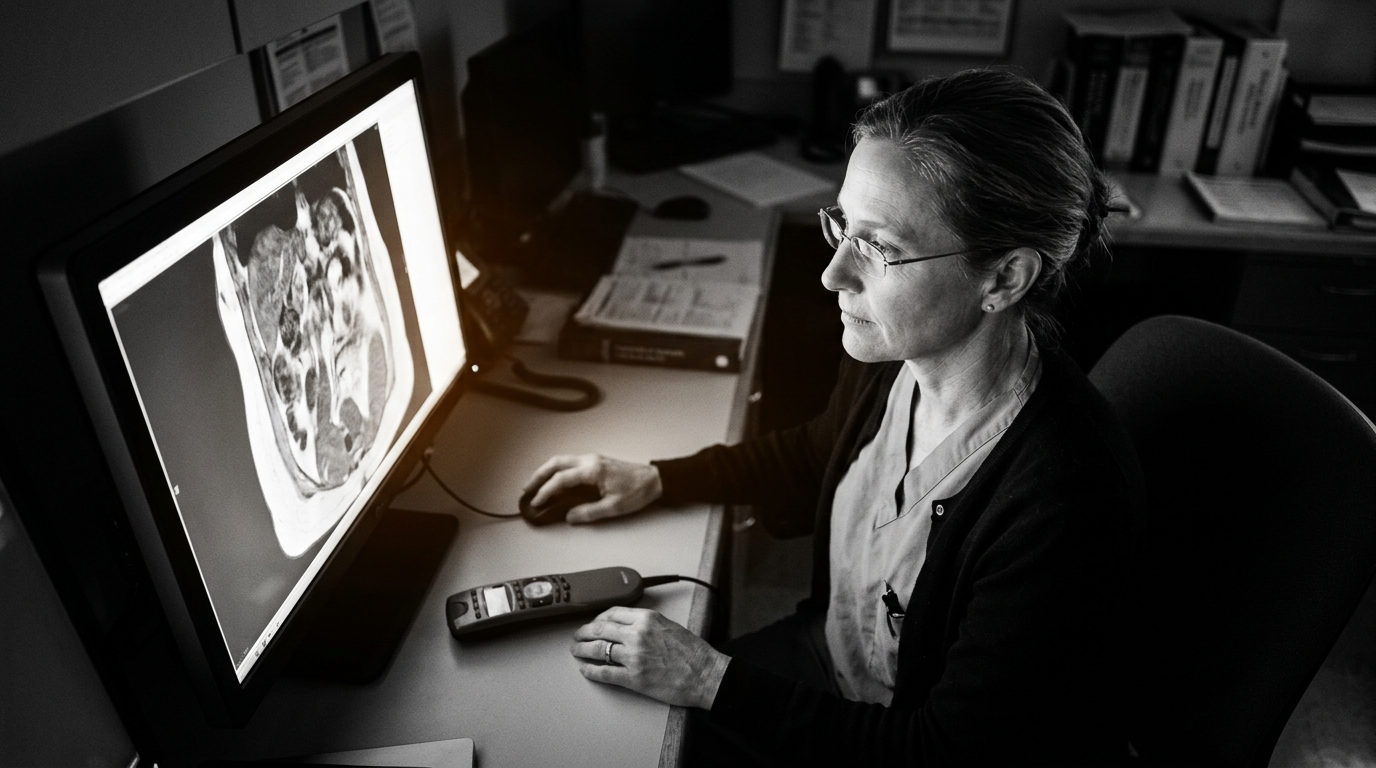
A new artificial intelligence (AI) model has demonstrated over 96% accuracy in detecting lung cancer from CT scans. The system analyzes both fine details and broader anatomical context simultaneously, mirroring clinical interpretation without requiring manual view switching.
This dual-scale approach aims to enhance early detection, particularly for small, difficult-to-identify tumors. Early diagnosis significantly improves lung cancer survival rates, which can increase from approximately 10% in late stages to over 90% in early stages.
The AI model was trained on CT scans from healthy individuals and lung cancer patients to differentiate between normal tissue, benign changes, and malignant tumors. While the system shows promise in improving diagnostic accuracy and efficiency, further validation with larger, more diverse datasets and real-world clinical settings is necessary before widespread adoption.
This technology is intended as a decision-support tool for radiologists, flagging suspicious scans and aiding prioritization, rather than replacing clinical judgment. Its application could extend to other medical imaging tasks requiring detailed and contextual understanding.