China's Auto Industry Accelerates into AI and Self-Driving
China auto industry pivots to AI and autonomous driving as sales fell 17% in early year; exports rose over 60% and overseas plans expand.
Jason Kwon ·
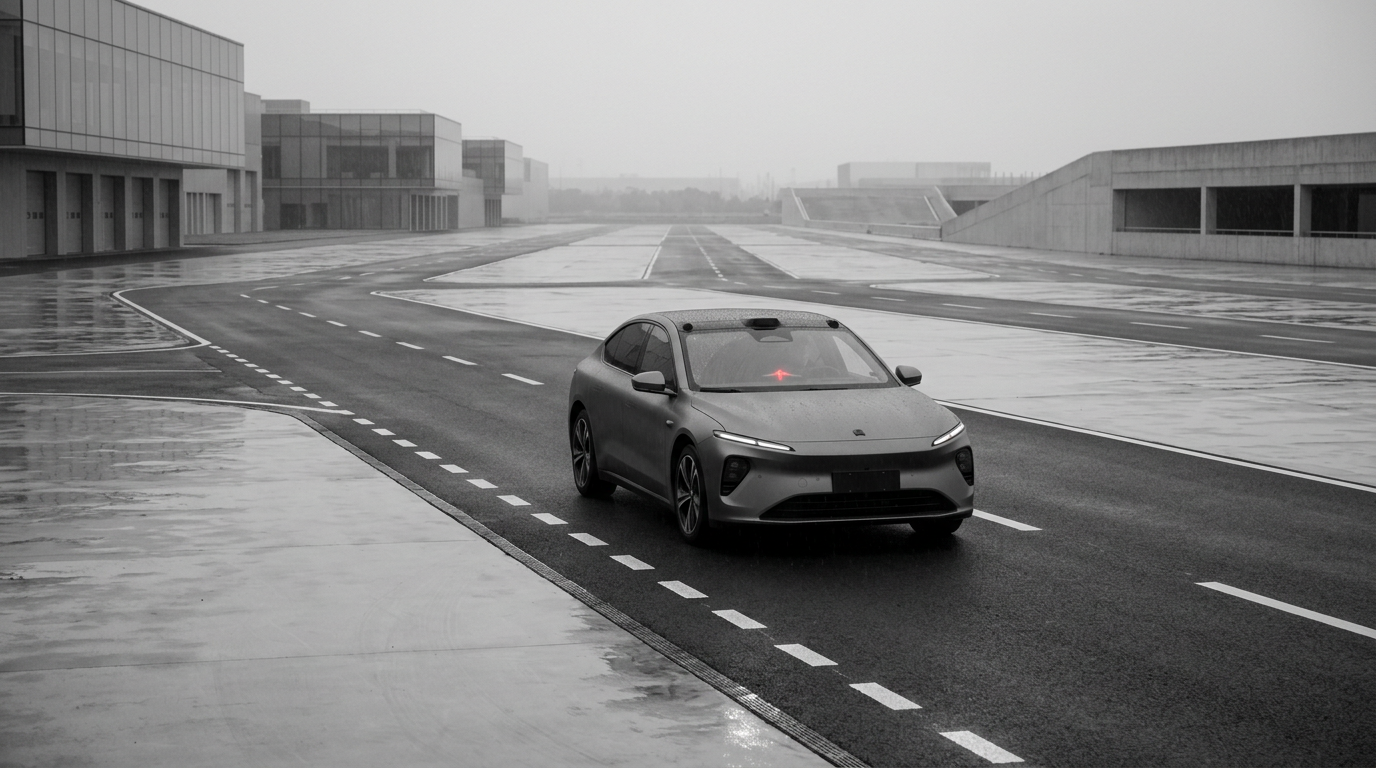
China’s auto industry is leaning harder into artificial intelligence and autonomous driving as domestic demand cools and competition tightens. Automakers and technology firms used the Beijing Auto Fair, which opened on Friday, to spotlight intelligent driving systems and software-led features aimed at creating new growth engines and supporting overseas expansion. The event displayed more than 1,000 vehicles presented with advanced smart-driving capabilities.
The push comes as the home market becomes more difficult to rely on for volume growth. Passenger vehicle sales fell 17% in the first three months of the year, a decline linked in part to the phase-out of government subsidies, according to the source material. With pricing pressure and crowded model lineups, companies are looking to software and autonomy as potential new revenue streams and differentiators.
Investment commitments are also rising. Huawei said it will spend 80 billion yuan (£8.7 billion) over the next five years to develop autonomous driving software, underscoring how China’s technology groups are positioning themselves as core suppliers to the car sector. The broader strategy includes AI-enabled in-car services designed to keep customers inside a brand’s ecosystem and to make vehicles feel more like connected consumer devices.
Several examples highlighted at the show point to that direction. Xpeng demonstrated voice-command navigation features, while Xiaomi presented an operating system intended to blend driving with lifestyle functions such as restaurant reservations and cabin settings that adapt to a driver’s mood. These offerings reflect a shift toward software-defined vehicles, where updates and digital services can be as central to the product as hardware.
At the same time, Chinese manufacturers are accelerating their international push. Exports rose by more than 60% in the first quarter, and Chery has set a target of 10 million global annual sales by 2030, according to the source material. In mobility services, Geely said it plans to roll out thousands of driverless taxis globally next year through its ride-hailing unit, Caocao, with the aim of competing against established robotaxi operators.
Expansion plans face constraints as well as opportunities. The source material notes regulatory hurdles and isolated technical malfunctions inside China, factors that can slow deployment and shape public acceptance. Even so, partnerships with Lyft and Uber are expected to help bring Chinese robotaxis to overseas markets, including London, this year.
In the UK market, Chinese brands are projected to represent one in ten new car sales by 2025, and some companies are considering local production and research-and-development facilities. For global markets, the combination of fast-rising exports and heavier AI investment signals a more technology-driven phase of competition, while the pace of rollout remains dependent on regulation and real-world performance.