Michigan Synagogue Attack: Suspect Dead, FBI Investigates
A suspect died after ramming a vehicle into Temple Israel in Michigan on March 12, 2026, in an FBI-designated targeted attack.
Ayla Demirhan ·
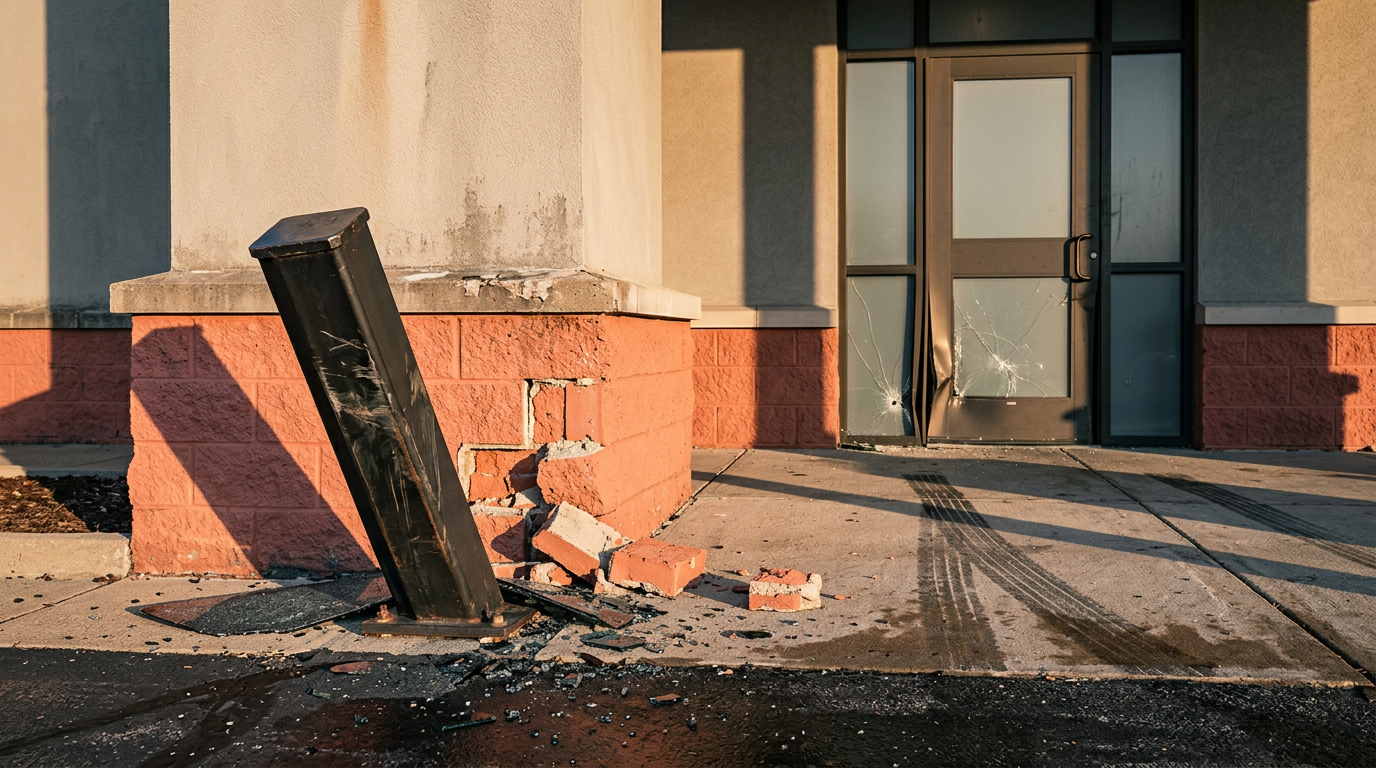
A man identified as Ayman Mohamad Ghazali died on Thursday, March 12, 2026, after driving a vehicle into Temple Israel in West Bloomfield Township, Michigan. The Federal Bureau of Investigation (FBI) has characterized the incident as a targeted act of violence against the Jewish community. The synagogue subsequently caught fire following the vehicle impact.
Security personnel at Temple Israel engaged the suspect after the vehicle rammed the building. Ghazali, a 41-year-old naturalized U.S. citizen originally from Lebanon, was later discovered deceased and severely burned inside the vehicle. Reports indicate the vehicle contained a substantial quantity of explosives.
Incident Details and Casualties
Rabbi Arianna Gordon, who was present at the synagogue during the incident, recounted hearing gunfire and detecting the smell of smoke. Teachers successfully managed to keep the children calm and occupied throughout the unfolding events, preventing panic among the young students.
Background and Investigation
This event highlights ongoing concerns regarding security at religious institutions, particularly within the Jewish community, which has faced increasing threats globally. The swift response by synagogue security and law enforcement was crucial in mitigating further casualties, especially given the presence of a school on the premises.
Community Response and Outlook
The incident serves as a stark reminder of the persistent need for vigilance and robust security protocols at places of worship. The FBI's ongoing inquiry will aim to uncover the full scope of the plot and any potential co-conspirators, providing clarity on the motivations behind this violent act.
Implications
Country Impact: The incident raises national concerns about domestic extremism and the security of religious institutions, potentially leading to increased federal funding for protective measures at places of worship across the U.S.
Industry Impact: The security industry, particularly firms specializing in religious institution protection, may see increased demand for advanced surveillance systems, access control, and trained personnel. Insurance providers might also reassess risk profiles for similar facilities.
Market Impact: Local real estate values around the affected area could experience short-term volatility due to safety concerns. Broader market sentiment might reflect increased anxiety regarding domestic terrorism, potentially impacting investor confidence in certain sectors.