Live updates: Iran war news; Trump threatens to ‘obliterate’ Iran’s power plants
US President Trump threatened Iran with military action over the Strait of Hormuz, escalating Middle East tensions amid recent missile strikes.
Lauren Collins ·
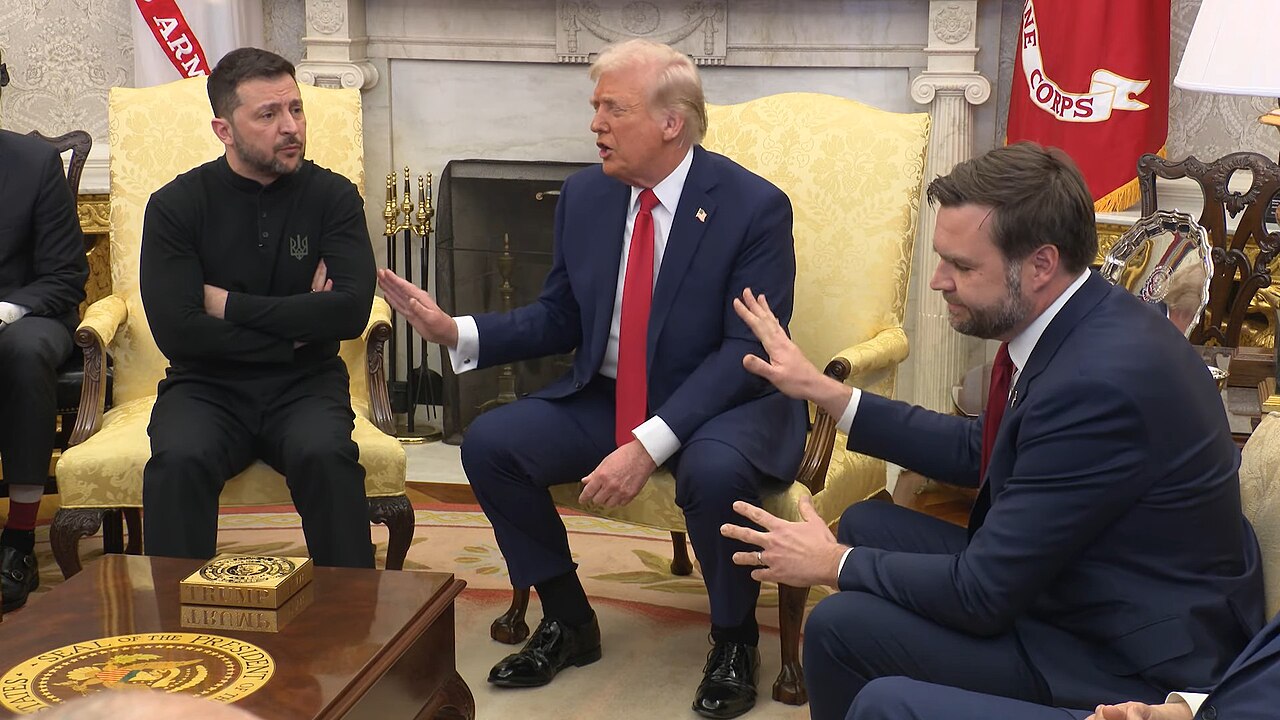
United States President Donald Trump issued a direct threat to Iran on Sunday, March 22, 2026, stating that Iranian power infrastructure would be targeted if the Strait of Hormuz was not fully reopened within 48 hours. This declaration significantly escalated regional tensions, drawing an immediate response from Tehran.
Iranian state media subsequently reported that Iran would retaliate against U.S. infrastructure in the Middle East if its own facilities were attacked. This exchange follows a period of heightened military activity and diplomatic friction in the region.
Regional Military Engagements
The U.S. warning occurred amidst ongoing missile strikes attributed to Iran. On Saturday, Iranian ballistic missiles reportedly struck southern Israel, impacting the cities of Arad and Dimona. These attacks resulted in injuries to at least 74 individuals in Arad, with seven critically wounded, and caused substantial damage to a building in Dimona.
Further demonstrating its missile capabilities, Iran also reportedly attempted to strike the U.S.-UK military base located on Diego Garcia in the Indian Ocean. These incidents underscore the expanding geographical scope of recent military actions.
Diplomatic and Maritime Stances
In a related development, Saudi Arabia expelled Iran's military attaché and several embassy personnel, signaling a deterioration in bilateral relations. Concurrently, Qatar reported a helicopter crash that resulted in six fatalities, attributed to a technical malfunction.
Despite the U.S. ultimatum regarding the Strait of Hormuz, Iran's representative to the UN maritime agency asserted that the vital shipping lane remains open to all vessels, with the exception of those linked to nations considered “Iran's enemies.” This statement maintains Iran's conditional stance on maritime access.
International Responses and Outlook
Japan is reportedly considering the deployment of its military for minesweeping operations in the Strait of Hormuz, contingent upon the establishment of a ceasefire in the region. This indicates international concern over the potential disruption of global shipping routes.
The Strait of Hormuz is a critical chokepoint for global oil shipments, and any prolonged closure or military conflict in the area would have significant implications for international energy markets and trade. The current escalation adds to a complex geopolitical landscape, with various actors closely monitoring developments and potential further actions from both the U.S. and Iran.
Implications
Country Impact: The escalating tensions could destabilize the broader Middle East, potentially drawing in more regional actors and increasing the risk of direct military confrontation between the U.S. and Iran. This could lead to significant political and security repercussions for nations in the Gulf.
Industry Impact: The energy sector faces substantial risks, particularly regarding oil and gas transit through the Strait of Hormuz. Any disruption could trigger sharp price increases and supply chain issues, affecting global industries reliant on these resources.
Market Impact: Global financial markets are likely to react negatively to increased geopolitical uncertainty, potentially leading to higher volatility in oil prices, a flight to safe-haven assets, and downward pressure on equity markets worldwide.