Lapu-Lapu’s 6,019 rice payouts signal the state as pop-up distributor
Lapu-Lapu City residents received 60 tons of rice via a government caravan. Suppliers should monitor this distribution pattern for future demand.
Hannah Vogel ·
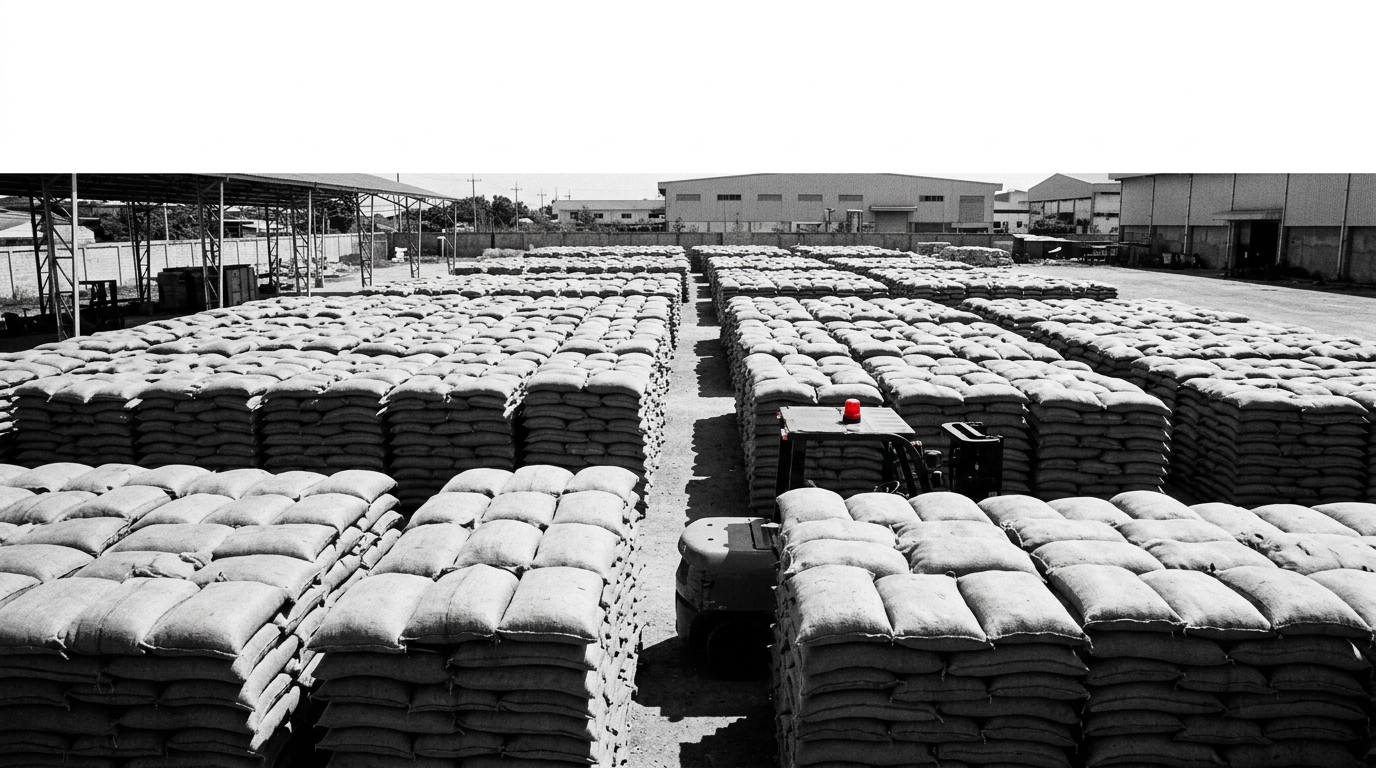
LAPU-LAPU CITY — In a report published Monday, Sept. 14, Cebu Daily News (Inquirer) said the Office of the President staged a “Handog ng Pangulo: Serbisyong Sapat Para sa Lahat” service caravan at Hoops Dome, Barangay Gun‑ob, with 6,019 beneficiaries each receiving 10 kilograms of rice. The outlet reported that the Local Government Support Fund (LGSF) financed the distribution and that implementation was a partnership between the City Government of Lapu‑Lapu and the Department of the Interior and Local Government (DILG), citing DILG‑7 Regional Director Leocadio Trovela on the importance of inter‑agency cooperation. No vendors, contract values or procurement specifics were named in the report. This is so far a single‑source account from Cebu Daily News; no one in the reported packet is on the record beyond being referenced by title.
A government-funded rice drop is also a channel shift for staples
The headline facts amount to roughly 60 metric tons of rice delivered in kind on a single day to residents of a single city. When the state stands up a one‑day distribution of that size, it behaves like a pop‑up distributor, temporarily displacing normal retail channels for a staple good. The Cebu Daily News report attributes funding to the LGSF and execution to the city and DILG; on those facts, the channel is neither supermarket nor market stall but a government‑run queue, and the budget line is not household spend but public funds. For brands, millers, traders and transporters, the relevant question is not the ceremony but the cadence and size of these interventions — whether they recur, cluster around political or budget calendars, and how they route procurement. Cebu Daily News
What 60 tons moved in one day means for suppliers and logistics
Even without a published supplier list, moving about 60 tons of rice into a single venue implies upstream commitments — milling schedules, bagging, short‑haul transport and on‑site handling — that somebody fulfilled on public terms. If these caravans replicate, suppliers will be asked to meet lumpy, date‑certain demand backed by government payment rather than the steady cadence of retailer orders. That changes working capital calculations for millers and traders, who may weigh the certainty of a public disbursement against the price and predictability of private wholesale. It also shifts service‑level risk onto logistics partners asked to deliver on a fixed civic timetable rather than a store’s replenishment cycle. None of this is stated in the Cebu Daily News report; it simply follows from the scale and the one‑day nature of the event it describes. Cebu Daily News
Retail demand in Lapu‑Lapu likely flexed — and may again if caravans repeat
A one‑time, in‑kind transfer of 10 kg per household beneficiary can depress near‑term rice purchases through sari‑sari stores and markets in the immediate catchment, then snap back as stocks are consumed. For independent retailers, that means short, sharp variances in basket size and traffic that your standard ordering heuristics will not see coming. If these caravans become a pattern, retailers who sell staples may need to watch city and regional calendars, not just supplier price lists, to forecast demand. The Cebu Daily News report does not quantify any retail effect, nor does it claim future events; it documents a specific state action in one city on one date, funded by LGSF. The second‑order implication for retailers is probabilistic: when and if the state repeats the action, retail demand for staples will temporarily move. Cebu Daily News
The budget line matters more than the birthday — LGSF as the demand signal
The report states the Local Government Support Fund financed the rice distribution. For operators, that detail is the signal to track. It suggests that the budget authorizing these events sits in intergovernmental transfer funds rather than, for example, a welfare agency’s routine outlay. If LGSF disbursements are the tap, then the corporate watch‑item becomes the schedule of LGSF releases and any city‑level resolutions repurposing those releases into in‑kind distributions. That is a different procurement rhythm than quarterly retail promotions; it is a public finance rhythm with its own deadlines and transparency norms. The Cebu Daily News report offers no amounts, suppliers, or award methods. Without those, vendors cannot assume framework contracts or recurring volumes; they can only infer that at least once, in Lapu‑Lapu City, LGSF was used to buy rice for mass distribution the day after the President’s birthday. Cebu Daily News
For brands and CSR teams, government giveaways crowd the shelf you do not see
Consumer‑goods marketers deploy CSR‑flavored sampling and relief drops to build brand goodwill. A state‑run caravan delivering a week or more of a staple in plain sacks counters that tactic by satisfying need through a non‑commercial channel, damping the marginal utility of brand‑led giveaways in the same window. If these events multiply, private CSR teams will find less oxygen for consumer‑facing activation in affected localities. The Cebu Daily News item does not describe the rice’s branding or packaging; it does state this was an Office of the President event implemented with DILG and the city, underlining that the visible brand on the day was government, not a commercial supplier. Cebu Daily News
The counter‑read: this could be a one‑off civic gesture with little market impact
It is reasonable to argue that a single event, timed to the President’s birthday, changes little about supply chains or retail dynamics. Without a pipeline of similar caravans, suppliers should not over‑rotate procurement strategies toward episodic public orders. The Cebu Daily News report does not claim a programmatic schedule, region‑wide rollouts or recurring volumes. If further caravans do not materialize in the next quarter in Central Visayas, the Lapu‑Lapu event may remain a symbolic service day with negligible ongoing commercial effect. The facts available today do not falsify that counter‑read — they simply leave it open. Cebu Daily News
What we do not know — and why those blanks matter to operators
Key denominators are missing from the public report. We do not know the total spend from LGSF on this caravan, the per‑kilo price paid, the supplier(s) selected, the lead time vendors were given, the delivery terms, or the award mechanism. We do not know whether the 6,019 beneficiaries represent a full target list or those who appeared on the day, or whether services beyond rice had procurement footprints of their own (medical supplies, registration systems, venue services). Those omissions do not diminish the reported fact of the rice distribution; they define the risk surface for any company seeking to sell into, or plan around, similar events. Until contracting details are public, every operator’s decision here is a hedge: treat this as a pattern worth resourcing against, or treat it as a one‑time spike to note and move on from. Cebu Daily News
The six-month test for whether this changes how you sell and stock
If two more LGSF‑funded caravans of similar rice volumes are announced for other Central Visayas cities this quarter, then suppliers can infer a near‑term program and plan capacity and working capital accordingly. If tender notices or city resolutions name framework agreements, then vendors can rationalize bid costs and route sales effort to public buyers rather than pushing retail promotions. Conversely, if no similar events are announced, retailers should treat Lapu‑Lapu as a temporary demand distortion rather than a trend to bake into ordering models. The Cebu Daily News report provides the initial data point; the next few weeks will establish whether it stands alone. Cebu Daily News