Shanahan Overhauls Concussion Protocol Strategy Following NFL Scrutiny
Kyle Shanahan said July 11 a severe concussion changed how he views NFL concussion protocols, urging honesty over fast return-to-play timelines.
Atlas Newsdesk ·
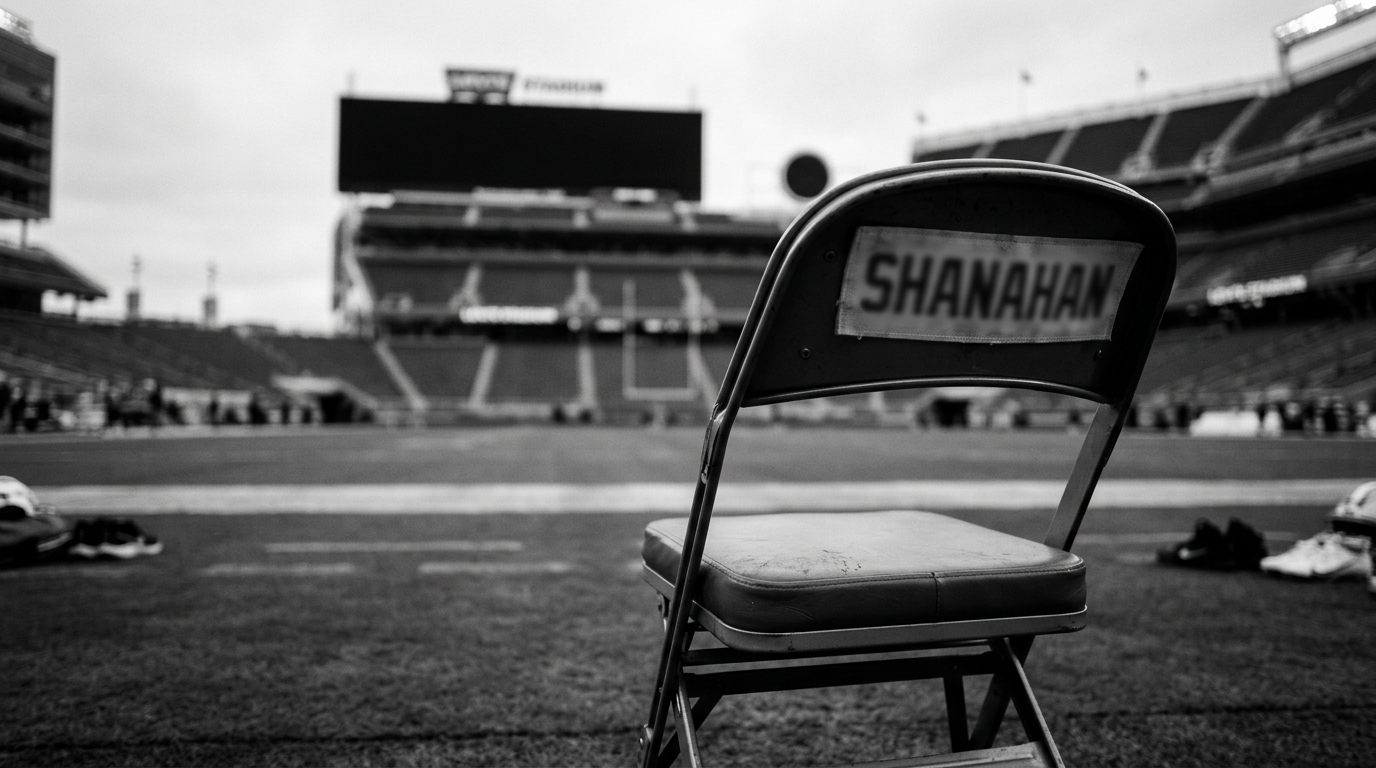
San Francisco 49ers head coach Kyle Shanahan said on July 11 that he suffered a severe concussion in an automobile accident, an experience he described as reshaping how he approaches head injuries in players.
Shanahan said the episode changed his view of recovery in ways that extend beyond clinical descriptions such as “mild” or “severe,” emphasising that neurological trauma can vary widely from person to person. He said the experience pushed him away from focusing on a return-to-play date as the main measure of progress and toward a broader view of cognitive recovery.
How Shanahan says his perspective has shifted In describing the impact of his concussion In describing the impact of his concussion, Shanahan pointed to the uncertainty that can surround brain-injury recovery. He said going through that uncertainty firsthand helped him better understand the psychological strain that players may experience while they wait for symptoms to improve and for clearance to return. Shanahan also said the experience highlighted how competitive pressure can influence behaviour, including the temptation for players to hide symptoms. He said he is more aware of the risk that players could try to game baseline cognitive testing in an effort to speed up the process of being cleared. Concussion protocols and the broader NFL backdrop The NFL has had standardised concussion protocols in place since 2009, developed amid heightened scrutiny from the US Congress. Those protocols are intended to set a consistent framework for identifying and managing head injuries across the league.
Shanahan’s comments did not suggest a change to Shanahan’s comments did not suggest a change to the league’s existing medical structures. Instead, he framed his personal experience as a reminder of the ongoing challenge teams face: handling the competitive urgency of a season while protecting long-term neurological health.
What Shanahan says will change in practice
Looking ahead, Shanahan said he plans to place greater weight on player transparency than on immediate return-to-play timelines. He acknowledged that even with institutional guidelines in place, recovery remains highly variable and can be difficult to predict.
His remarks position honesty about symptoms as a central part of head-injury management, reflecting his view that the recovery process can be complex and individual even when formal protocols are followed.