Kremlin Faces $28 Billion Deficit for Ukraine Conflict
Russia's expenditures for the Ukraine conflict have surpassed budget estimates by approximately $28 billion.
Lauren Collins ·
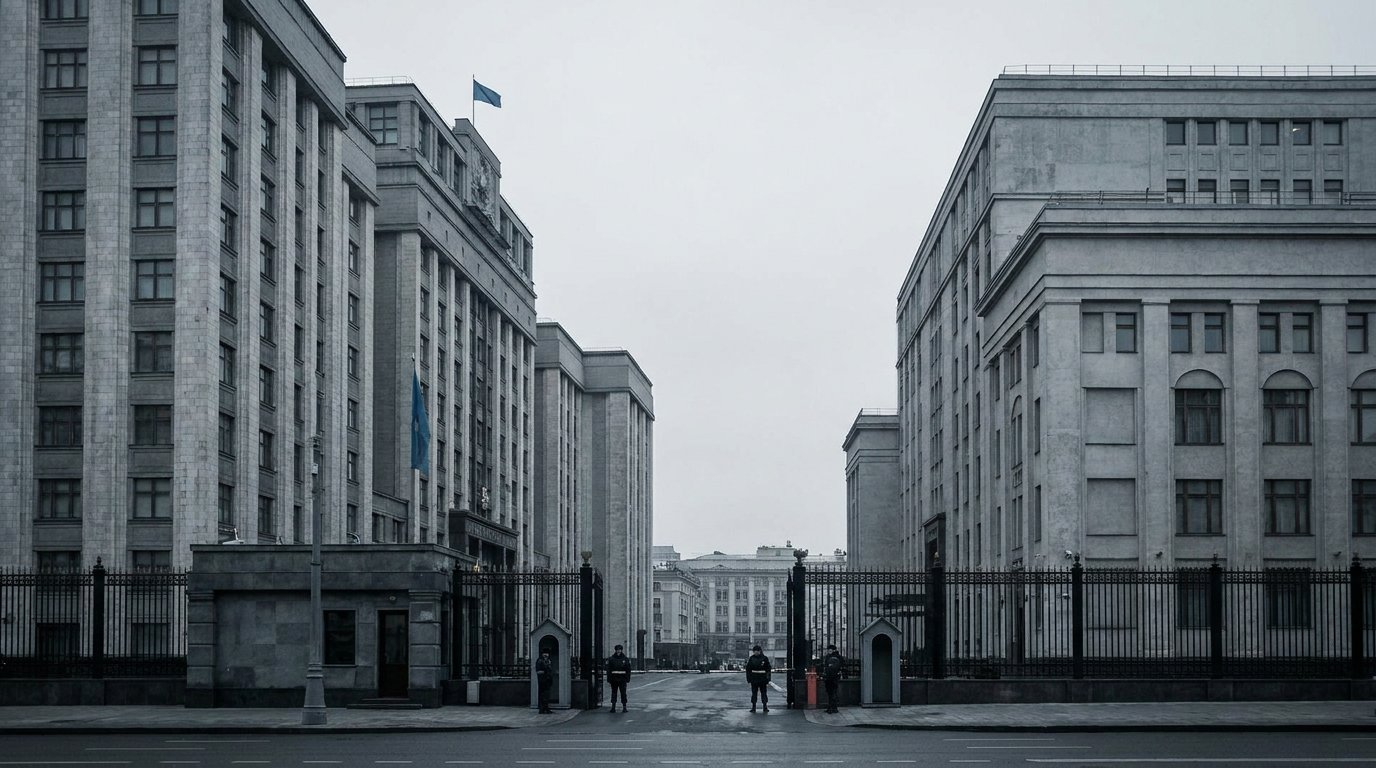
Russia has significantly exceeded its allocated budget for the ongoing conflict in Ukraine, with spending surpassing projections by an estimated $28 billion. This substantial overspend highlights the immense financial pressures the Kremlin is facing to sustain its military operations. The increased expenditure is likely driven by higher-than-anticipated costs for munitions, troop deployment, and equipment maintenance.
Financial Strain on Russian Economy
The surge in military spending is placing considerable strain on Russia's national budget. Official statements indicate a widening deficit, necessitating adjustments to other areas of government expenditure or increased revenue generation. This financial pressure comes at a time when Russia is also contending with international sanctions which aim to curtail its economic capacity.
Analysis suggests that the actual costs of the war may be even higher than reported, as official figures often do not capture the full scope of wartime expenses. The need for continuous resupply and replacement of lost or damaged military hardware is a primary driver of this escalating financial burden. These costs are being met through a combination of existing reserves and newly mobilized resources.
Budgetary Repercussions and Future Outlook
The overspending raises questions about Russia's long-term fiscal stability and its ability to fund the protracted conflict. Economic analysts are closely monitoring how the government intends to cover this deficit, with potential implications for social programs, infrastructure investment, and overall economic growth.
Future Russian defense budgets will likely need to be significantly revised to account for the realities of sustained high-intensity conflict. The need to maintain military readiness while managing domestic economic pressures presents a complex challenge for the Kremlin. The sustained financial commitment required for the war will continue to be a defining factor in Russia's economic policy and stability for the foreseeable future.
The Kremlin may resort to further resource mobilization or seek new revenue streams to bridge the widening gap. The war's escalating financial demands underscore the significant economic toll it is taking on the Russian Federation, potentially impacting its economic trajectory for years to come.