Jordan financial burden leads Arab crisis cost index from UN
ESCWA says Jordan faces the Arab region's heaviest crisis-related fiscal burden, with energy and food measures adding pressure to public finances.
Lauren Collins ·
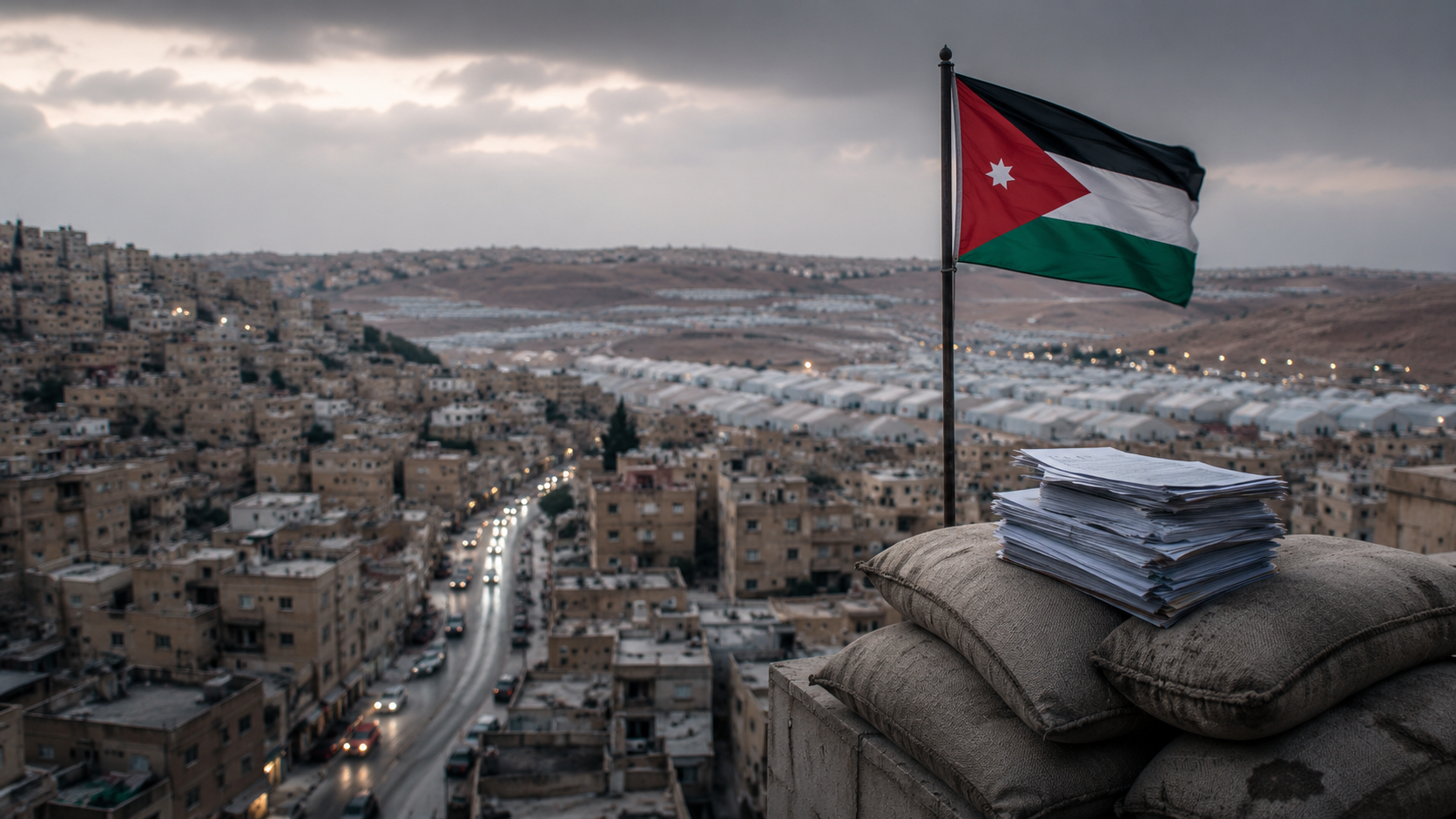
Jordan financial burden is the Arab region's highest relative crisis cost, ESCWA says, as the kingdom absorbs fuel, power and food pressures.
The United Nations Economic and Social Commission for Western Asia estimated Jordan's extra crisis-related fiscal cost at about 0.691% of gross domestic product. The commission said the ratio is the largest recorded among Arab states, reflecting government action to soften social pressure from the regional conflict.
ESCWA measure puts Jordan first
The figure matters because it compares emergency costs with the size of each economy, not with total spending in nominal terms. On that basis, Jordan stands out as a smaller economy carrying a large public bill to limit poverty risks and cushion household budgets.
The government has used price and tariff controls to slow the pass-through from global energy and supply disruptions. Measures cited by officials include lower flour and wheat prices, frozen gas prices, phased oil price increases and unchanged electricity tariffs.
Fuel shocks hit power plants
Prime Minister Jafar Hassan said the government has not fully passed the international fuel price jump to the domestic market. He said extra monthly costs in energy and electricity generation have exceeded JD150 million.
Energy and Mineral Resources Minister Saleh Kharabsheh said interruptions to gas supplies forced power plants to use alternative fuel. He put the additional cost at nearly JD3 million a day, or about JD100 million in one month.
The immediate effect is a budget trade-off. Keeping electricity prices steady helps consumers and businesses avoid a sudden jump in operating costs, but it shifts more of the burden onto public finances at a time when energy, transport and supply bills are already higher.
Wheat reserves temper panic buying
Jordan has also moved to reassure consumers on food availability. Industry, Trade and Supply Minister Yarub Qudah said current wheat reserves cover six months, rising to nearly ten months when contracted quantities are included.
That stock position is central to the government's effort to keep markets calm. Officials have argued that supply chains remain intact and that households have no reason to rush into panic buying.
The fiscal response has not been limited to subsidies and stocks. The government has introduced austerity steps, including restrictions on official delegation travel and cuts to government expenditure, while saying essential public services should be protected.
Budget strain meets social pressure
ESCWA's estimate places Jordan at the intersection of fiscal discipline and social protection. The state is trying to absorb enough cost to defend living standards, without allowing emergency spending to crowd out other services.
The wider sector effect runs through utilities, fuel distributors, transport operators and food suppliers. If energy inputs remain expensive, companies face higher costs even where retail prices are capped, creating pressure somewhere in the chain between producers, the budget and consumers.
For the regional macro picture, the mechanism is cost transmission. If gas supplies stabilize and fuel prices ease, Jordan's public energy bill could fall, the government would gain room to slow austerity, and pressure on power and food sectors would ease.
If disruptions persist instead, the government faces a harder choice: keep absorbing costs and accept fiscal strain, or allow more price increases and risk weaker household demand. The open questions are the duration of gas supply interruptions, the path of fuel prices and how long public finances can carry the buffer.