Ravens coach Harbaugh sidesteps NFL turf-versus-grass question on MetLife plan
John Harbaugh avoided commenting on the grass versus artificial turf debate, despite his past preference for natural grass fields.
Mehmet Şahinoğlu ·
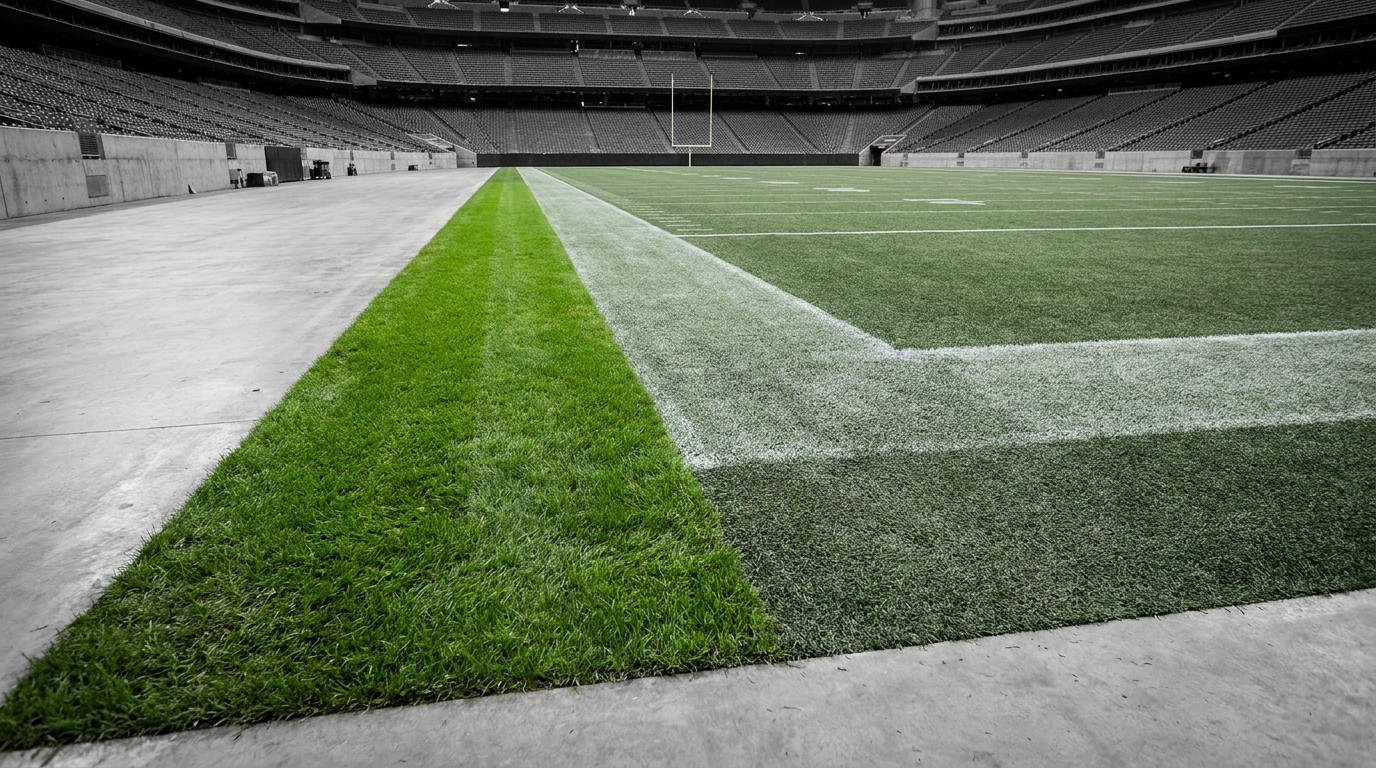
On Monday, Baltimore Ravens coach John Harbaugh declined to take a side in the NFL’s turf-versus-grass debate when asked about MetLife Stadium’s temporary installation of natural grass for World Cup matches and the plan to return to artificial turf afterward. Harbaugh characterized the current surface as “a good artificial surface” and stopped short of stating a broader preference.
His restrained tone acknowledged the sensitivities involved with league officials and venue operators. The exchange comes as playing-surface standards at multi-use stadiums draw renewed attention.
Harbaugh signaled he would not be drawn into a league-wide policy discussion and referenced Commissioner Roger Goodell while deflecting the question. By praising the field in its present state without advocating change, he avoided aligning with either side of an issue that routinely divides players, coaches and team officials.
MetLife plan puts spotlight on surfaces
Temporary grass for World Cup, turf afterward
MetLife Stadium’s plan to use natural grass for World Cup fixtures before reinstalling artificial turf highlights how international soccer requirements can differ from NFL preferences and logistics. Harbaugh declined to evaluate that plan directly, keeping his remarks limited to general approval of the current artificial surface.
The setup has reignited a familiar discussion around playing conditions at multi-use venues. Many players have voiced concerns about artificial turf over the years, while others have defended modern installations. With views across the league still unsettled, coaches are often asked to weigh in but typically avoid prescriptions that could be read as criticism of specific teams, venues or league practices.
Past stance in Baltimore offers context
2015 switch to grass informs current caution
Harbaugh has previously indicated a preference for grass. In 2015, when the Ravens moved their home field from an artificial surface to natural grass, he welcomed the switch. That history provides context for his caution now, suggesting an effort to balance prior views with the realities of speaking for a team inside a league-level debate.
Framed that way, his answer acknowledged the present conditions without advocating for a long-term standard. It also fit the boundary head coaches often keep, leaving policy decisions to the NFL, club ownership and stadium operators while addressing immediate playing conditions for their teams.
What to watch: whether league guidance or venue decisions prompt further changes to surface choices at high-profile stadiums, and whether coaches grow more willing to state clear preferences as the debate continues.